
Lok Sabha Passes Income Tax Bill in Record Time
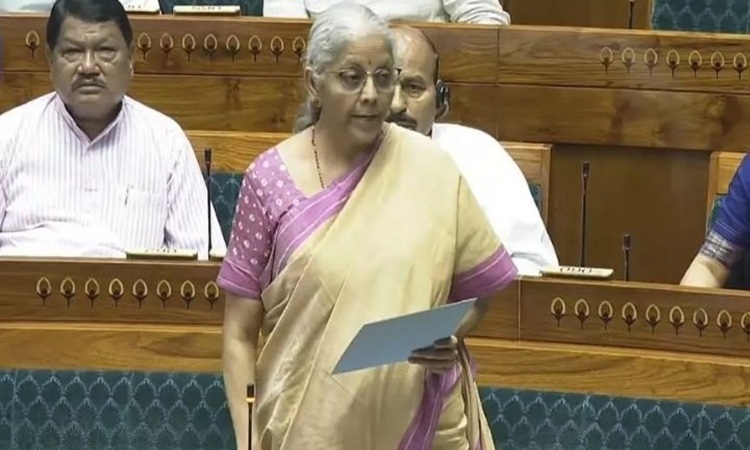
New Delhi : The Lok Sabha on Monday passed the Income Tax Bill, 2025—a complete overhaul of India’s 63-year-old income tax law—in just three minutes and without debate.
The bill’s swift passage came amid noisy protests from opposition members over alleged irregularities in Bihar’s electoral roll revision. Finance Minister Nirmala Sitharaman reintroduced the bill, first tabled in February and withdrawn on August 8, after incorporating significant changes recommended by a Parliamentary Select Committee.
Passed via a voice vote, the legislation now heads to the Rajya Sabha and the President for final approval. Once enacted, the law will take effect from April 1, 2026, replacing the Income Tax Act, 1961.
Simpler Language, Clearer Rules for Taxpayers
The new bill aims to make India’s tax code more accessible by halving the word count and chapters compared to the 1961 Act. Complex terms like “assessment year” and “previous year” are replaced with the easier-to-understand “tax year”.
Tax experts say the changes are designed to make compliance easier for individuals and businesses. Sandeep Jhunjhunwala, Partner at Nangia Andersen LLP, called it “a balanced, pragmatic, and taxpayer-oriented approach.”
“By enabling refunds for belated returns and harmonising MSME definitions with allied statutes, the bill reflects modernisation and fairness,” Jhunjhunwala said.
Key Provisions of the Income Tax Bill, 2025
The bill introduces a range of taxpayer-friendly measures:
- TDS Refunds Beyond Deadline: Individuals can now claim TDS refunds even if income tax returns are filed after the statutory deadline, subject to specific conditions.
- Nil TCS on Education Remittances: Under the Liberalised Remittance Scheme (LRS), education-related remittances financed by financial institutions will attract zero TCS.
- Loss Carry Forward Rules Updated: Provisions for carrying forward and setting off losses have been aligned with Section 79 by removing references to the “beneficial owner.”
- Clearer Tax Year Terminology: Outdated terms like assessment year and previous year are replaced by tax year for clarity.
- Nil TDS Certificates: Eligible taxpayers can apply for nil TDS certificates, avoiding unnecessary tax deductions.
- Inter-Corporate Dividend Deductions Restored: Companies opting for concessional tax rates can again claim certain inter-corporate dividend deductions.
- MSME Definition Alignment: Definitions of Micro and Small Enterprises now match the MSME Act, reducing compliance confusion.
- Charitable Trusts Clarity: Anonymous donations will no longer automatically threaten the tax exemption status of charitable organisations and non-profits.
Political Backdrop and Opposition Protests
Despite the bill’s significance, its lightning-fast passage triggered criticism from the opposition. Lawmakers accused the government of bypassing parliamentary debate on a reform that impacts millions of taxpayers.
The session was disrupted by chants and protests over unrelated issues, particularly the alleged irregularities in Bihar’s electoral rolls. Nonetheless, Speaker approval allowed the voice vote to proceed.
Supporters in the treasury benches argue that extensive committee consultations before reintroduction ensured adequate review. The government maintains that urgent reforms were necessary to modernise a tax framework dating back to the early 1960s.
Expert Opinions: Balancing Reform and Compliance
Tax professionals believe the bill strikes a balance between simplicity and regulatory robustness. The emphasis on plain language and fewer procedural barriers is expected to improve taxpayer compliance and reduce litigation.
Analysts note that the reintroduction of inter-corporate dividend deductions will be welcomed by corporate taxpayers seeking concessional tax rates. Similarly, MSME definition alignment is expected to streamline eligibility for government benefits.
The changes to TDS refund rules—allowing late filers to claim refunds—are viewed as a significant relief measure, especially for salaried employees and small businesses.