
India-UK FTA: Clothes, Jewellery, and Scotch to Get Cheaper
India-UK Free Trade Agreement: A Landmark Deal Boosting Trade
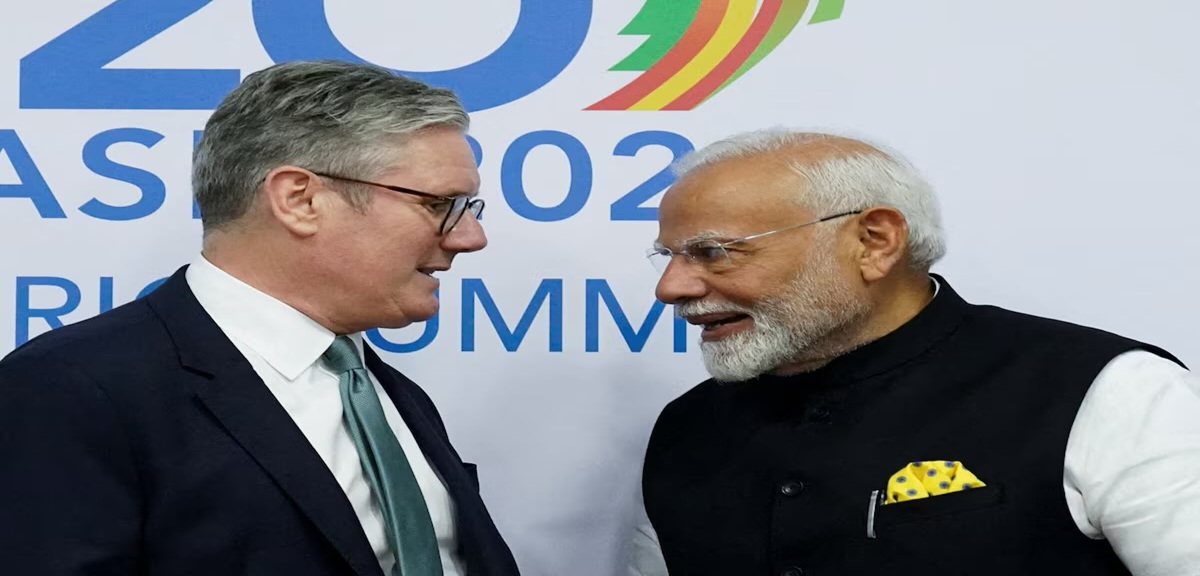
The long-awaited India-UK Free Trade Agreement (FTA) is finally set to be signed, marking a new era in bilateral economic relations. Prime Minister Narendra Modi is visiting UK Prime Minister Keir Starmer at the historic Chequers residence, where the FTA will be the highlight of talks.
India’s Commerce Minister Piyush Goyal and his British counterpart Jonathan Reynolds are expected to ink the agreement today. This deal, in the works for several years, is poised to boost exports, reduce tariffs, and open new investment channels between the two economies.
The sectors set to benefit the most include textiles, gems and jewellery, leather, pharmaceuticals, auto components, and food exports. Here’s a comprehensive look at what’s becoming more affordable and which industries are set to gain from this transformative agreement.
Textiles and Apparel: Tariff-Free Access to the UK
India’s vibrant textile industry is set to gain big. The FTA will eliminate 8–12% tariffs on Indian-made garments and home textiles exported to the UK.
This move will provide Indian exporters a competitive edge over rivals like Bangladesh and Vietnam. Manufacturing hubs such as Tiruppur, Surat, and Ludhiana are expected to see export growth of up to 40% over the next three years.
Gems, Jewellery, and Leather: Boosting MSMEs and Luxury Brands
High-end Indian exports like gold and diamond jewellery and leather goods will enjoy duty-free access in the UK.
This development is a major win for Indian MSMEs and premium labels trying to expand in European markets. Indian artisans and exporters in cities like Mumbai, Jaipur, and Kanpur will directly benefit from the zero-duty regime.
Engineering, Auto Parts, and IT Services to See Gains
Tariff cuts on engineering goods, industrial machinery, and auto components will help Indian manufacturers expand in the UK market.
Cities like Pune, Chennai, and Gurgaon—India’s engineering hubs—stand to gain significantly.
Additionally, visa relaxations and recognition of Indian professional qualifications in fields such as engineering, accounting, and architecture will help boost India’s service exports, potentially creating 60,000 new jobs in sectors like IT, law, finance, and healthcare.
Pharma, Food, and Chemicals: Expanding India’s Export Basket
The UK is set to streamline its drug approval process for Indian pharmaceutical companies, making it easier for generics to enter the UK market.
At the same time, Indian food exports, including basmati rice, tea, spices, and seafood, will become cheaper in the UK with the removal of duties. This will benefit producers from Assam, Gujarat, Kerala, and West Bengal.
Furthermore, lower tariffs on chemicals, plastics, and agrochemicals are expected to double Indian exports to the UK by 2030, especially from Gujarat and Maharashtra.
Green Energy and Scotch Whisky: Mutual Benefits
The FTA also focuses on clean energy collaboration, paving the way for joint ventures in solar power, green hydrogen, and EV infrastructure.
On the flip side, the UK gains from a phased reduction in tariffs on Scotch whisky—from 150% down to 30% over ten years. This will give UK exporters a greater share of India’s expanding liquor market and offer Indian consumers more affordable choices.
A Milestone for India-UK Relations
This landmark agreement signals more than just tariff reductions. It represents a strategic alignment between India and the UK, strengthening diplomatic, economic, and cultural ties.
Signed at Chequers House, the deal not only aims to increase bilateral trade but also opens pathways for deeper cooperation in climate change, education, technology, and investment.
The India-UK FTA is expected to double bilateral trade by 2030, benefitting businesses, workers, and consumers across both nations.