
India to Implement Nationwide Toll Tax Hike on Highways Starting April 1, 2025
India’s Toll Tax Hike: What to Expect on Key Highways and Expressways from April 2025
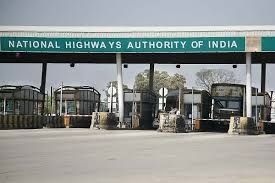
Traveling on India’s expansive highway network is set to become costlier, as the National Highways Authority of India (NHAI) announces a significant toll tax hike, effective midnight on March 31, 2025. The revised toll rates will impact commuters and commercial operators across crucial routes, including major expressways and highways such as Lucknow highways, Delhi-Meerut Expressway, Eastern Peripheral Expressway, and the Delhi-Jaipur highway.
Why is the toll tax hike happening?
This toll increase marks the second hike within a year, with the previous one occurring in June 2024. The NHAI justifies the rise by emphasizing the need for funding infrastructure development, highway maintenance, and expansion projects. The additional revenue from the increased tolls will contribute towards these ongoing projects, which aim to enhance the safety, efficiency, and overall quality of the national highway system.
However, the announcement has sparked mixed reactions among commuters. While some recognize the importance of funding for better infrastructure, others express frustration over the frequent toll hikes, which can add up significantly over time.
Revised Toll Rates: What Commuters Can Expect
Starting April 1, 2025, the revised toll rates will affect several high-traffic highways and expressways. The following routes will see notable increases in toll charges:
Lucknow Highways and Surrounding Areas
On key highways passing through Lucknow, including routes to Kanpur, Ayodhya, Raebareli, and Barabanki, the toll rates will increase for both light vehicles and heavy commercial vehicles. For example:
- Light vehicles (e.g., cars) will face an increase of INR 5 to INR 10 per trip.
- Heavy vehicles, including trucks and buses, will face a steeper hike, with tolls rising by INR 20 to INR 25.
Delhi-Meerut Expressway
The Delhi-Meerut Expressway, which sees heavy traffic every day, will also witness a toll hike. The one-way toll for light vehicles like cars and jeeps traveling from Sarai Kale Khan to Meerut will rise from INR 165 to INR 170. Other notable changes include:
- Light commercial vehicles will now pay INR 275 (previously INR 270).
- Buses will be charged INR 275, while trucks will now pay INR 580.
The Chhijarsi toll plaza on NH-9 will also see an increase, where car tolls will rise from INR 170 to INR 175, and trucks and buses will now pay INR 590.
Delhi-Jaipur Highway (Kherki Daula Toll Plaza)
On the Delhi-Jaipur highway, the toll rate at the Kherki Daula toll plaza will see minor increases:
- Larger vehicles will incur an additional INR 5 per journey.
- The monthly pass for regular commuters will rise by INR 20, from INR 930 to INR 950.
- Commercial vehicles, such as cars and jeeps, will now pay INR 85 per side, with their monthly pass increasing to INR 1255 (from INR 1225).
Impact on Commercial Vehicles and Goods Transport
Commercial vehicles, including trucks and light commercial vehicles, will be most affected by the toll hike. Vehicles carrying goods with more than seven axles will see the highest increase, with tolls rising by INR 590 on some routes. This change could lead to higher transportation costs, which may be passed on to consumers in the form of increased prices for goods and services.
For example, on the Ghaziabad to Meerut route, the toll will rise from INR 70 to INR 75, a change that will particularly affect trucks and other heavy vehicles using these routes frequently.
Commuter Reactions: Mixed Feelings About the Toll Increase
As the toll increase is set to take effect, commuters have expressed mixed opinions. Some acknowledge that the higher toll rates are necessary for the continued development of India’s highways, especially as the NHAI works on expanding infrastructure to keep up with growing traffic. Improved roads and expressways are essential for reducing congestion and ensuring safer travel.
On the other hand, many express frustration over the frequent toll hikes. With two increases in just one year, commuters and commercial vehicle operators feel that the burden on travelers is mounting, especially when tolls are already high.
What’s Next for India’s Highways?
The NHAI has stated that these toll hikes are aimed at enhancing infrastructure quality and funding future expansion projects, which are expected to improve road conditions and reduce traffic congestion. The NHAI has assured that the revenue from these hikes will be reinvested in road repairs and the construction of new highways to ensure smoother and safer commutes in the future.
For now, commuters are advised to plan their journeys accordingly, as the current toll rates will remain in effect until midnight on March 31, 2025. The new toll rates will apply nationwide starting April 1, so travelers should be prepared for the increased costs.