
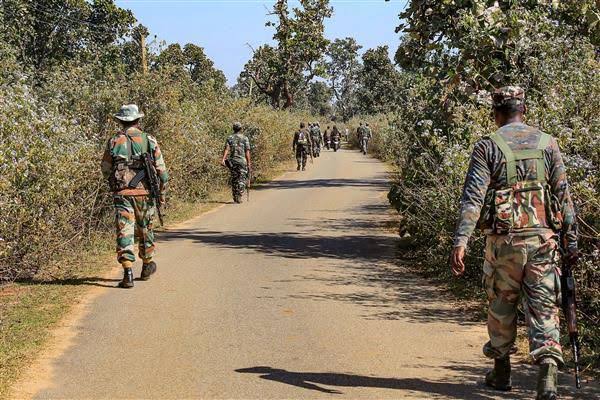
50 Naxals Surrender in Bijapur, Marking a Major Step in India’s Fight Against Maoism
50 Naxalites Surrender in Bijapur, Chhattisgarh: Major Blow to Maoist Movement
In a significant development in India’s ongoing battle against Naxalism, 50 Naxalites surrendered in Chhattisgarh’s Bijapur district just hours before the arrival of Prime Minister Narendra Modi. The surrender, which took place on Sunday, was a major victory for the government’s anti-Naxal strategy, showcasing the growing disillusionment with the Maoist movement and the positive impact of the rehabilitation policies implemented by the state and central governments.
Among the 50 Naxals who gave up their weapons, 14 had a cumulative reward of Rs. 68 lakh on their heads, underscoring the seriousness of their involvement in the Maoist insurgency. The surrender was celebrated by Union Home Minister Amit Shah, who praised PM Modi’s policies that prioritize rehabilitation and development in areas affected by Naxal violence.
A Turning Point in the Fight Against Naxalism
Amit Shah hailed the move as a clear indicator that Naxalism in India was losing its grip, urging other Naxals to lay down their weapons and reintegrate into society. He stated on X (formerly Twitter), “I once again appeal to the rest of the people to give up arms and join the mainstream. After March 31, 2026, Naxalism will become history in the country, this is our resolution.” The Union Minister further emphasized that PM Modi’s policy is clear: any Naxalite who abandons violence and embraces development will be provided with rehabilitation opportunities and help in reintegration into mainstream society.
The surrender ceremony took place in the presence of senior police officials, including officers from the Central Reserve Police Force (CRPF). Bijapur Senior Superintendent of Police, Jitendra Kumar Yadav, explained that the Naxals gave up their arms due to growing disillusionment with the Maoist ideology. Many cited the exploitation of tribals by senior Maoist cadres, as well as the ideological contradictions within the movement, as reasons for their surrender.
Security Forces’ Role and Local Initiatives
The shift in allegiance by the surrendered Naxalites reflects the success of local initiatives implemented by the government and security forces in recent years. These efforts include the establishment of camps in remote areas and the ‘Niya Nellanar’ (Your Good Village) scheme, which focuses on providing essential amenities in villages previously neglected by the state. The development work undertaken by the security forces and the Chhattisgarh government’s rehabilitation policy has made a tangible difference in the lives of tribals in these areas, leading to increasing numbers of surrenders.
Earlier, on March 29, another 15 Maoists surrendered in the Dantewada district, also as part of the ‘Lon Varratu’ (Come Back Home) campaign, further exemplifying the success of the government’s approach.
Modi’s Remarks on Congress’ Role in Naxalism
In a public meeting held in Mohbhattha village, Bilaspur, PM Modi addressed the larger issue of Naxalism and its origins. He attributed the prolonged influence of Naxalism in Chhattisgarh and other regions to the policies of the Congress party, stating that over the decades, Congress’s lack of focus on development in backward regions allowed Naxalism to take root. Modi asserted that regions lagging in development became breeding grounds for Maoist activities.
“The Congress government of the past 60 years failed to address the real concerns of the tribals. Their indifference not only worsened the situation but also added fuel to the fire,” said Modi, underscoring the significant difference the current BJP-led government is making in these areas. He pointed to Swachh Bharat Abhiyan, Ayushman Bharat, and other welfare schemes as examples of how the government is improving the quality of life for tribal communities and reducing the appeal of extremist ideologies.
Impact on Naxalism in Chhattisgarh
The surrender of 50 Naxalites and the growing number of Maoist surrenders across Chhattisgarh marks a turning point in the fight against the Maoist insurgency. As the BJP government intensifies efforts to dismantle the Naxal network, the involvement of local populations in helping security forces fight this menace has become crucial.
While many challenges remain, the surrender movement points to a broader trend of Naxals abandoning their cause and seeking peaceful solutions. As security forces continue their crackdown, the government is increasingly focused on providing rehabilitative support for surrendered Naxals, offering a path back into society and emphasizing development over destruction.
Looking Ahead: The End of Naxalism?
Amit Shah’s statement about eradicating Naxalism by March 31, 2026, has sparked hope among security experts and local communities. The government’s focus on rehabilitation, combined with enhanced security operations, appears to be making significant strides in turning the tide against Naxal violence.
The PM Modi-led administration has consistently pushed for a holistic approach that combines security measures with social development to address the root causes of extremism. As more and more Naxals abandon violence and re-enter society, the future of Naxalism in India looks increasingly uncertain.