
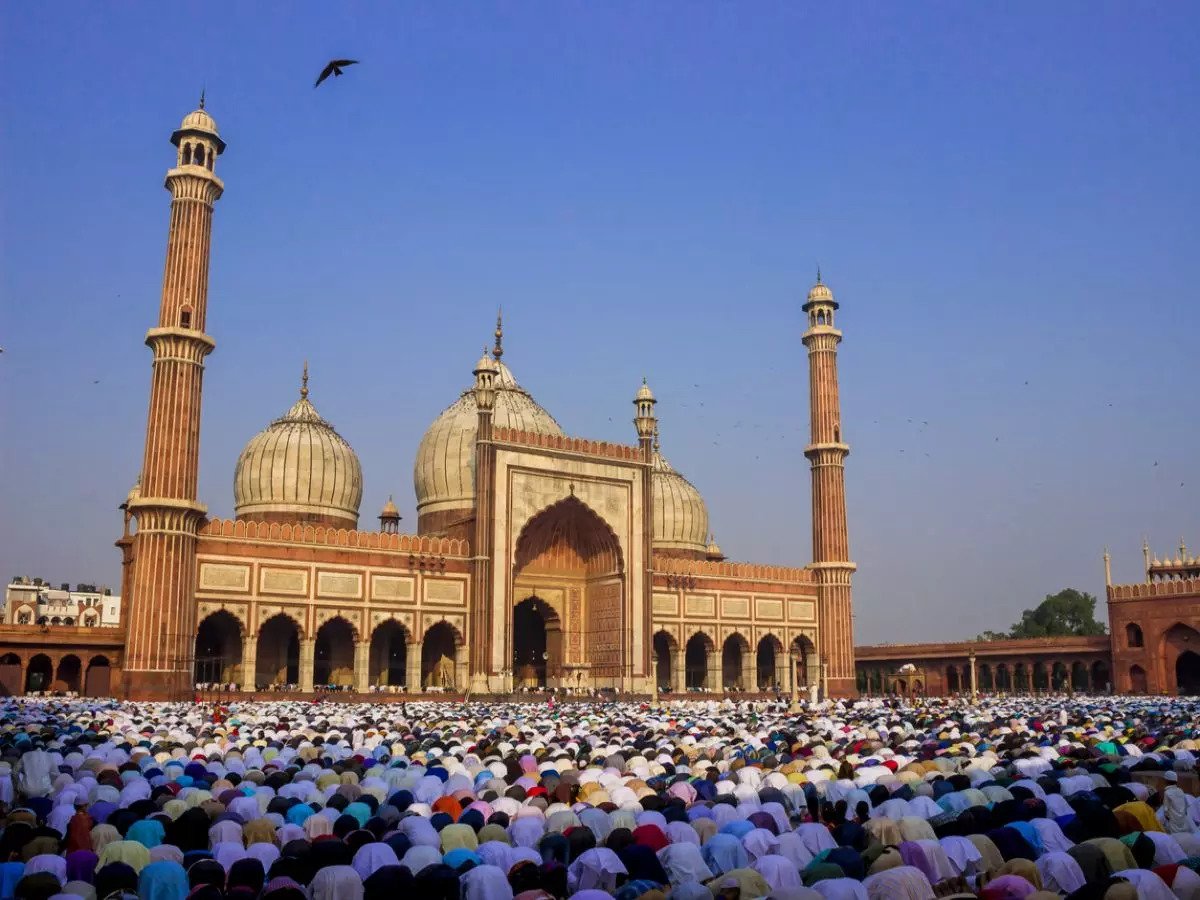
Nationwide Eid-e-Milad-un-Nabi celebrations have begun with deep spiritual fervor across India today. Faithful citizens gather in mosques, community centers, and public places to mark the birth anniversary of Prophet Muhammad.
From Kashmir to Kerala, major cities display vibrant green banners and decorative light installations. Mosques and neighborhood shrines host special night-long prayer meetings and poetic recitations.
Furthermore, community leaders emphasize lessons of compassion, peace, and universal brotherhood during morning addresses. Consequently, peaceful street marches, known locally as Juloos, pass through decorated neighborhood thoroughfares.
Religious Observances and Grand Shrine Gatherings
Religious gatherings form the core of Eid-e-Milad-un-Nabi celebrations in major urban and rural centers. For instance, thousands of devotees gathered at the historic Hazratbal Shrine in Srinagar, Jammu and Kashmir.
Prayers continued through the preceding night as scholars recited holy passages honoring the Prophet’s legacy. Similarly, historic mosques in Hyderabad, Mumbai, and Delhi drew large crowds for special congregation prayers.
Religious scholars share inspiring accounts from the Prophet’s life, emphasizing honesty, humility, and generosity. Families also observe the day quietly at home through shared prayers and communal feasts.
Generosity plays a central role in annual Eid-e-Milad-un-Nabi celebrations across every participating state. Local youth groups organize voluntary food stalls, offering free meals and cold beverages to passersby.
Additionally, non-profit organizations host voluntary blood donation drives in nearby medical centers. Volunteers also distribute fresh clothes, basic grocery kits, and educational supplies to underprivileged households.
Religious scholars remind gathering crowds that helping those in need reflects the fundamental spirit of Islam. Therefore, charity drives remain active from early morning until late in the evening.
Civic Arrangements and Public Security
Local administrations have established elaborate arrangements to maintain public order during Eid-e-Milad-un-Nabi celebrations. City traffic departments issued customized route advisories to manage traffic around grand procession routes.
Governments in multiple states declared official public holidays for government offices, schools, and financial institutions. Municipal teams worked overnight to ensure clean streets and proper lighting near prominent places of worship.
Police personnel deploy along primary transit corridors to guide participants and prevent civic congestion. Community leaders work alongside municipal officers to ensure peaceful and harmonious gatherings everywhere.
In conclusion, Eid-e-Milad-un-Nabi celebrations reflect a profound sense of devotion, peace, and social unity across India. The festival brings communities together through shared faith, reflection, and noble acts of service.