
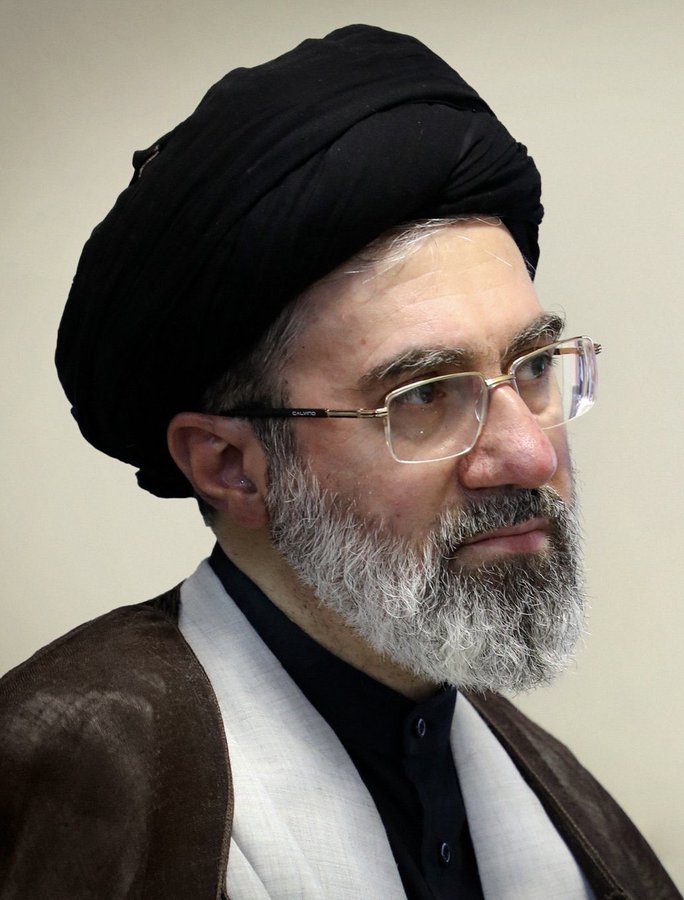
Uncertainty surrounding the Mojtaba Khamenei health status continues to mount as Iran’s top religious and political leader remains completely hidden. Nearly six months after assuming power, no verified photographs or public recordings of him have emerged.
He assumed leadership after his father, Ayatollah Ali Khamenei, was killed during joint airstrikes in February. Reports confirm that the younger Khamenei also suffered injuries during those initial bombardment events.
However, his extended silence fuels persistent rumors across political and intelligence networks globally. Meanwhile, Tehran officials dismiss these reports as intentional psychological warfare designed to weaken public morale.
Also Read : Mohan Bhagwat New York Event Sparks Clash Between Mary Millben and Mayor Zohran Mamdani
Strict Security Protocols versus Growing Public Rumors
Supporters maintain that the mysterious Mojtaba Khamenei health status reflects strict security protocols rather than physical incapacity. Direct communication exposes high-value targets to hostile tracking during ongoing regional warfare.
Consequently, fewer than five senior officials have reportedly met with the leader in person. Instead, messages flow through a slow network of trusted human intermediaries to avoid digital detection.
Nevertheless, the drop in communication gives rise to speculation regarding his true condition. Recent local public appeals asking citizens to pray for his health further escalated domestic concerns.
Governance Challenges and Factional Friction
The uncertain Mojtaba Khamenei health status creates significant operational friction within Iran’s political structure. Traditionally, the Supreme Leader serves as the primary arbiter for internal government disputes.
Currently, a 13-member National Security Council manages state affairs during this prolonged communication vacuum. President Masoud Pezeshkian leads this governing group alongside parliamentary speaker Mohammad Bagher Ghalibaf.
However, political hardliners continue challenging council decisions regarding foreign policy and maritime transit agreements. Without direct public statements from the top, internal factional disputes remain largely unresolved.
Regional Impacts and Maritime Disruptions
Questions regarding the Mojtaba Khamenei health status closely coincide with ongoing economic and military pressures. Specifically, transit through the vital Strait of Hormuz remains heavily restricted.
Thousands of foreign sailors remain stranded as commercial shipping traffic drops far below normal levels. Meanwhile, state media insists that President Pezeshkian held extended high-level meetings with the leader.
Officials claim these long discussions focused on managing economic pressures and directing regional military strategy. Yet, without visual confirmation, observers question whether the state can maintain stability indefinitely.
In conclusion, clarity on the Mojtaba Khamenei health status remains crucial for regional stability. Clear public proof will decide whether Tehran can reassure citizens and stabilize its internal government.