
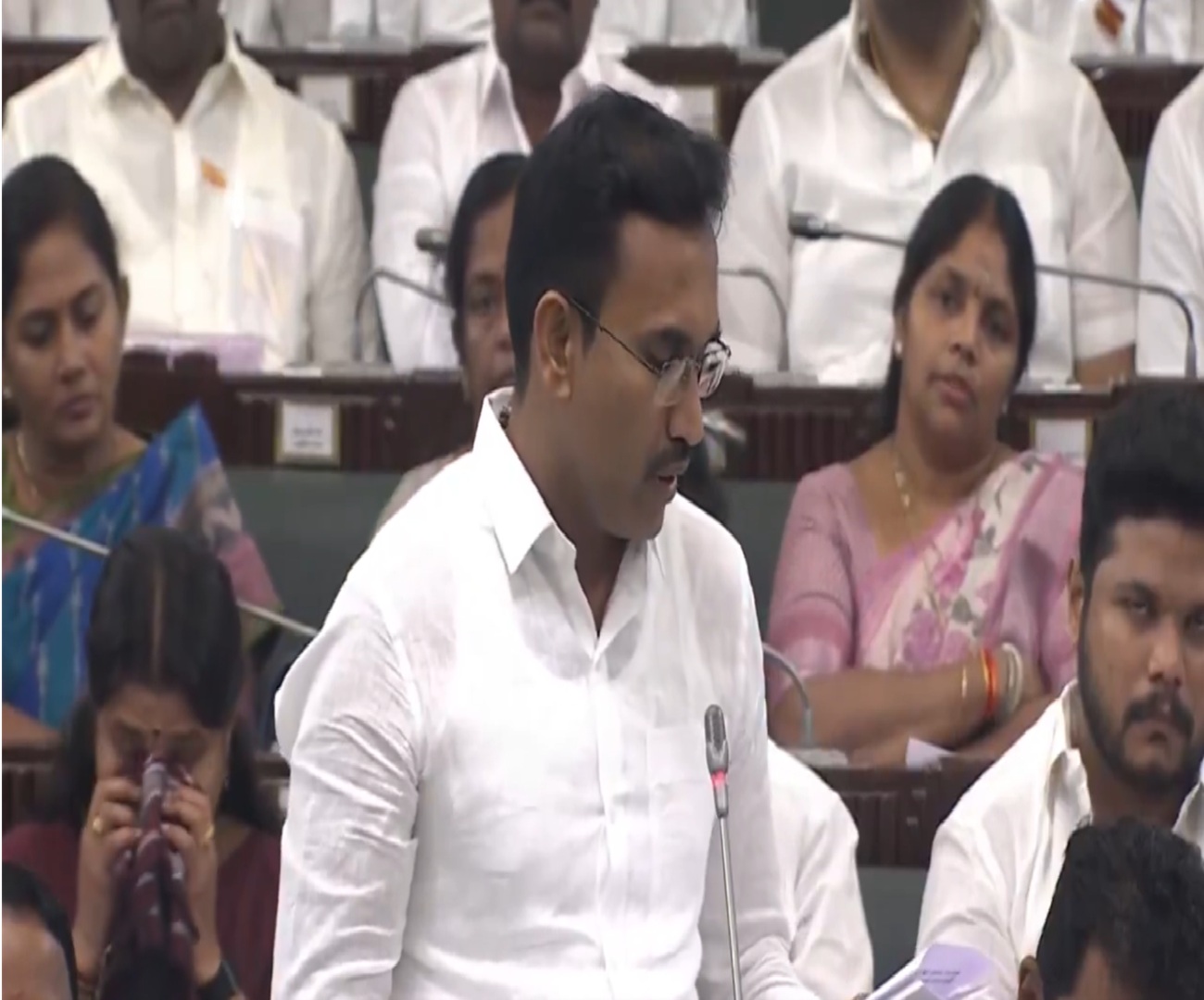
CHENNAI — The Tamil Nadu Legislative Assembly took a major legislative step regarding medical education in the state. On Tuesday, August 11, 2026, the TN Assembly passes resolution to abolish NEET in state during an active session.
Consequently, state leaders urged the central government to scrap the mandatory National Eligibility cum Entrance Test. Instead, lawmakers want undergraduate medical admissions based entirely on Class 12 board examination results.
Resolution Overview and Key Demands
| Strategic Aspect | Assembly Resolution Proposal |
| Primary Demand | Abolish NEET for state medical colleges |
| Proposed Admission Basis | Standardized selection using Class 12 board marks |
| Primary Concerns | Exorbitant coaching fees, paper leaks, and equity issues |
| Required Central Action | Amendments to National Medical Commission Act |
| Assembly Support | Passed with multi-party support; BJP staged a walkout |
State Leaders Emphasize Social Justice and Equality
State Health Minister Dr. K. G. Arunraj introduced the special government resolution in the assembly. Moreover, Chief Minister C. Joseph Vijay supported the legislative move with strong political backing.
Furthermore, state representatives argued that standard entrance tests weaken principles of social justice. In addition, official statements highlighted that local governance rights over health education face continuous disruption.
Therefore, state officials insist that equal opportunities must guide medical admissions. As the TN Assembly passes resolution to abolish NEET in state, state leaders targeted private coaching institutes.
Currently, commercial training centers charge exorbitant tuition fees from young aspirants. Consequently, students shift their focus away from regular school education toward commercial exam preparation.
Furthermore, this system creates severe disadvantages for students from poor economic backgrounds. Additionally, Tamil-medium students face steep structural hurdles during national selection tests.
Primary Objections Raised Against NEET
- Exorbitant Coaching Costs: Commercial training institutes create heavy financial burdens for working families.
- Decline in Schooling Priority: Regular higher secondary school curriculums lose academic focus.
- Rural Disadvantages: Students in remote regions lack access to urban private coaching hubs.
- Systemic Stress: Single-day examination models create severe mental distress for young candidates.
Escalating Concerns Over Coaching Culture and Test Integrity
In recent years, nationwide entrance examinations faced growing public scrutiny over administrative flaws. For instance, paper leak controversies severely damaged public trust in standardized testing.
Therefore, state assembly members noted that a single-day exam places extreme psychological pressure on youth. Additionally, long-term preparation strain has triggered widespread distress among students across regions.
Objections to centralized testing extend beyond immediate academic stress. As the TN Assembly passes resolution to abolish NEET in state, policymakers pointed out long-term systemic issues.
Specifically, commercialized preparation models reduce fair competition for underprivileged candidates. Furthermore, students without financial resources for private coaching struggle to secure competitive ranks.
Consequently, state leaders maintain that school performance offers a far more inclusive evaluation standard.
Also Read : Ex-Army Man Denied Bail After Probe Shows Constant Contact with Pakistan Intelligence
Statutory Amendments Required for Central Law Changes
To implement this proposed change, Parliament must amend foundational healthcare statutes. Specifically, the Union government needs to modify the National Medical Commission Act of 2019.
Additionally, statutory updates are necessary for homeopathy and Indian system of medicine acts. Therefore, the state government formally requested federal cooperation to enact these legal revisions.
Proposed Legal and Legislative Steps
| Legislative Level | Required Policy Action |
| Federal Government | Amend National Medical Commission Act of 2019 |
| State Objective | Reclaim state autonomy over undergraduate medical seat allocation |
| Admission Basis | Normalize Class 12 board marks for equitable candidate selection |
| Pending Measures | Address earlier state exemption bills awaiting presidential assent |
Historically, Tamil Nadu has consistently resisted centralized medical entrance exams. Earlier, the state assembly unanimously passed Bill No. 43 of 2021 seeking NEET exemption.
However, that measure remains pending without presidential approval. Thus, the current resolution reasserts state consensus across diverse political parties.
Except for a walkout by the lone BJP member, major political groups supported the motion.
Restoring Equity in Medical Education Opportunities
Assembly members argued that twelve years of schooling should determine higher education pathways. Furthermore, state representatives believe board examinations provide a balanced measure of student knowledge.
Consequently, relying on high school marks removes dependence on high-cost private coaching centers. Moreover, this transition helps rural students pursue medical careers without excessive financial burdens.
Now that the TN Assembly passes resolution to abolish NEET in state, national attention shifts to federal authorities. State leaders plan to push their demands in upcoming parliamentary sessions.
Meanwhile, student organizations across multiple states have voiced support for local admission criteria. Additionally, education experts suggest that flexible regional policies could strengthen public healthcare systems.
Ultimately, the moment the TN Assembly passes resolution to abolish NEET in state, it highlights federalism debates in India. State authorities continue urging the Union government to honor regional educational preferences.
Thus, restoring Class 12 marks remains the primary objective for Tamil Nadu medical admissions.