
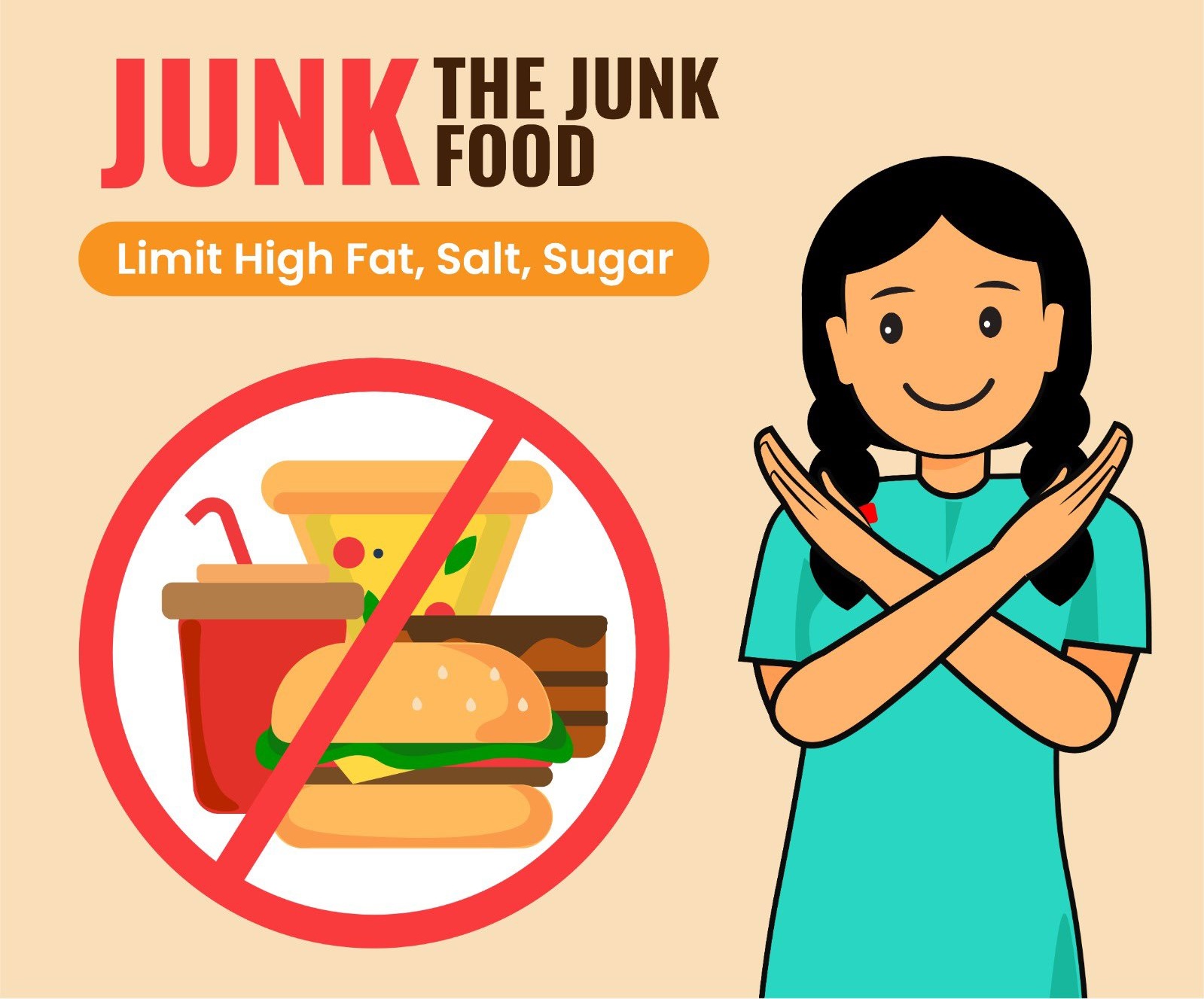
MANGALURU : The Karnataka government has initiated a sweeping public health campaign to encourage healthier eating habits across the state. As part of this comprehensive strategy, Karnataka cracks down on junk food, orders statewide ban in schools, hospitals to eliminate carbonated drinks and highly processed snacks. Specifically, the new directive effectively transforms educational campuses and healthcare centers into protected nutritional zones. Health and Family Welfare Minister UT Khader officially announced this decisive legislative measure during a high-level department review conference.
Consequently, the bold administrative policy addresses growing medical worries over careless eating patterns among young citizens. Top medical experts have repeatedly warned that high consumption of fast food remains the primary cause of most modern lifestyle-related illnesses. Therefore, the state administration intends to control the commercial availability of unhealthy food items directly at the consumption level. This wide-ranging initiative is specifically designed to protect vulnerable sections of the population, such as recovering patients and growing school children.
Read More : Sonam Wangchuk Wife Alleges Illegal Detention at Safdarjung Hospital
Starting the Movement at District Wenlock Hospital
Initially, the strict prohibition will begin immediately as a pilot project at the District Wenlock Hospital in Mangaluru. Minister Khader stated that this premier state facility must serve as a functional model for all other institutions. Moreover, both public and private hospitals across the region are expected to implement identical nutritional rules very shortly. The administration believes that healing environments must not serve products that actively contribute to the very chronic illnesses they treat.
Additionally, the state health department is simultaneously reviewing the internal quality of daily meals provided to admitted patients. For instance, officials have instructed hospital administrators to replace processed protein substitutes with whole foods like eggs wherever feasible. This shift ensures that patient diets actively support medical recovery rather than causing further metabolic stress. As Karnataka cracks down on junk food, orders statewide ban in schools, hospitals, standard canteen menus will face rigorous official inspections.
Boosting Food Safety Compliance and Infrastructure
Beyond changing institutional menus, the government is also tackling the wider production practices of commercial food manufacturers. Minister Khader emphasized that companies must follow strict safety regulations before launching any edible products onto the consumer market. However, many manufacturers currently exploit loopholes due to weak regulatory checks. To stop this evasion, the state will significantly upgrade its existing network of testing facilities.
[State Nutritional Upgrades]
│
├──► Upgrade Existing Food Labs (Advanced Equipment)
├──► Establish Bengaluru PPP Lab (Legal-Grade Testing)
└──► Enforce Mandatory Supermarket Batch Compliance
Furthermore, the state will establish a highly advanced public-private partnership laboratory in the capital city of Bengaluru. This centralized facility will specialize in generating highly accurate biochemical reports that easily stand up to rigorous legal scrutiny. Additionally, major supermarkets and local superstores will face severe legal penalties if they sell uncertified or untested food brands. Clearly, this infrastructure boost ensures that the policy as Karnataka cracks down on junk food, orders statewide ban in schools, hospitals maintains strong legal backing.
Monsoon Disease Prevention and Accountability
During the same district conference, the health minister addressed other pressing environmental concerns brought on by the active monsoon season. Specifically, Khader directed the District Health Officer to quickly ramp up local awareness campaigns regarding malaria and dengue transmission. Over the last few years, the state has achieved remarkable progress by keeping annual malaria counts below 1,000 cases.
Nevertheless, the health department remains highly vigilant against potential vector-borne outbreaks. Consequently, the minister demanded that property owners who permit hazardous waterlogging on their premises face immediate legal action. These stagnant pools frequently turn into ideal breeding grounds for dangerous mosquitoes. Therefore, local civic bodies will perform sudden spot checks to enforce clean drainage standards across all residential sectors.
Shaping Health Choices From an Early Age
Undoubtedly, targeting schools represents the most strategic component of this long-term state health vision. By removing burgers, pizzas, and carbonated soft drinks from canteens, the government intends to shape positive dietary choices early. Medical statistics show that bad childhood eating habits often persist into adult life, leading to early diabetes and hypertension. If junk food access is successfully cut off at the school level, children will naturally develop a preference for traditional, wholesome meals.
| Prohibited Settings | Banned Food Items | Recommended Alternatives |
| School Canteens | Burgers, Pizzas, Soft Drinks | Millet Snacks, Fresh Fruits |
| Hospital Premises | High-Sodium Chips, Fried Food | Whole Eggs, Sprouts, Salads |
| Surrounding Areas | Street Fast-Food Stalls | Clean Juice Stalls, Baked Goods |
Concurrently, the health ministry is working on extending the restriction zone to include the immediate surroundings outside school gates. This extension prevents street vendors from selling low-quality snacks to students during their daily commutes. As Karnataka cracks down on junk food, orders statewide ban in schools, hospitals, the department will issue formal execution guidelines to all district commissioners. Ultimately, this progressive policy framework aims to build a much healthier, disease-resistant future generation across Karnataka.