
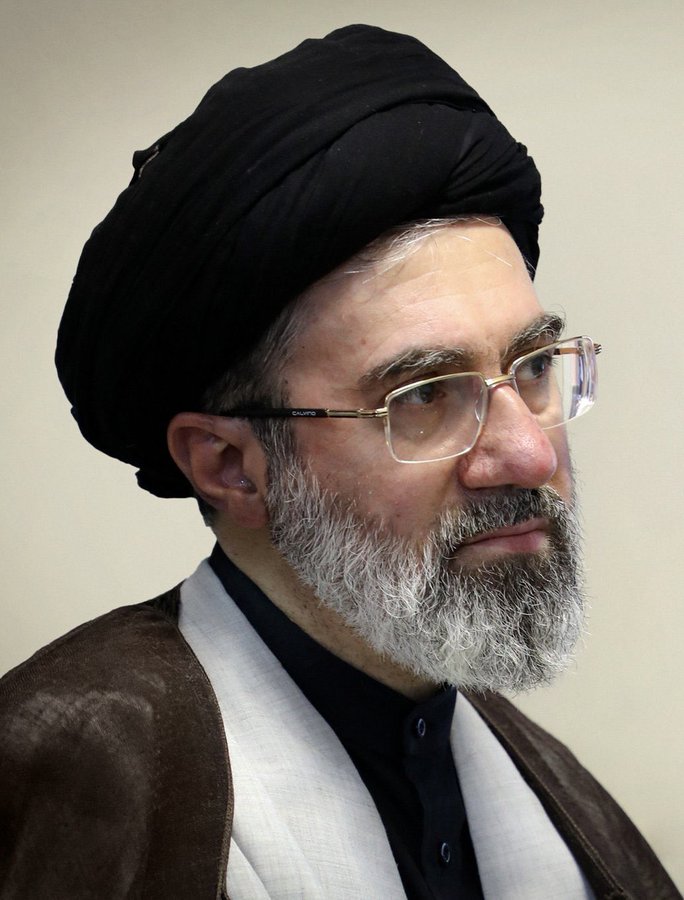
TEHRAN: Significant geopolitical developments are emerging from Tehran as Iran prepares for a massive historic state funeral. However, the newly appointed Supreme Leader Mojtaba Khamenei will not make any public appearance during these major ceremonies. This decision follows severe security warnings and heightened regional friction with Israel. Consequently, defense forces have advised the new leader to remain entirely out of the public eye. Meanwhile, official representatives have confirmed that the extensive mourning processions will still move forward as planned. Specifically, an Iranian diplomatic representative in India shared these critical updates during a recent comprehensive media briefing. The diplomat clarified that extreme dangers currently prevent Mojtaba Khamenei from safely participating in any mass events. Therefore, the state will implement unprecedented protection protocols around the top leadership throughout the week.
Security Risks Force Mojtaba Khamenei into Hiding
The critical decision comes at a time when West Asia faces an exceptionally volatile security environment. Previously, devastating military strikes resulted in the sudden death of the former Iranian leader in February. Additionally, Israeli defense officials recently issued explicit public warnings targeting the newly named successor. Because of these direct threats, authorities refuse to expose Mojtaba Khamenei to potential surveillance or airstrikes. Intelligence agencies suggest that hostile actors are actively tracking the movements of high-ranking Iranian administrators. Furthermore, recent reports indicate that foreign intelligence networks had planned other high-profile assassinations earlier this year. Thus, the decision to shield the new leader highlights the extreme vulnerability of the current regime. Instead of leading the massive public prayers, Mojtaba Khamenei will stay inside a highly fortified location. This tactical move aims to preserve the continuity of government during an active international crisis. Nevertheless, the absence of the primary heir will certainly alter the visual dynamics of the funeral.
Read More : India Japan Relations to Be Celebrated with “Shared…
Millions Expected for the Week of National Mourning
Despite the prominent absence of Mojtaba Khamenei, millions of citizens are gathering in major metropolitan centers. Ceremonies are scheduled across multiple historic religious locations, including Tehran, Qom, and the holy city of Mashhad. Moreover, the state apparatus is actively mobilizing vast public participation to project an image of absolute unity. Government agencies are currently providing complimentary transportation, food, and temporary accommodation to millions of traveling mourners. Consequently, the massive gathering will function as a symbolic public referendum for the Islamic Republic. Meanwhile, the body of the deceased leader has already arrived at the Grand Mosalla in Tehran. Mourners clad in black are filling the vast ceremonial complex despite a severe ongoing summer heatwave. Additionally, local religious authorities expect this event to be one of the largest assemblies in modern history. Although the country feels a profound sense of loss, officials insist the revolutionary spirit remains fully intact. Therefore, the administration views the massive turnout as a necessary display of defiance against external adversaries.
Global Leaders and Foreign Delegations Stream into Tehran
Beyond the local population, a diverse network of international dignitaries is arriving to show deep political solidarity. Specifically, the Iranian embassy in New Delhi reported massive interest from various groups within the Indian subcontinent. Diplomatic officials noted that numerous Indian citizens and political leaders expressed an urgent desire to attend. Subsequently, a high-level Indian delegation has departed to formally represent the nation at the burial ceremonies. Furthermore, other regional powers and neighboring states are sending official representatives to maintain critical diplomatic ties. These foreign delegations are arriving during a temporary, fragile de-escalation of hostilities in the strategic West Asian region. However, the sudden absence of Mojtaba Khamenei might complicate scheduled face-to-face meetings with these visiting international envoys. Instead, senior foreign ministry officials and chief negotiators will manage the incoming diplomatic interactions on behalf of Tehran. This arrangement ensures that crucial international dialogues regarding regional stability can proceed without any major interruption. Thus, Iran continues to press ahead with its grand geopolitical showcase despite the looming leadership restrictions.
What the Absence of Mojtaba Khamenei Means for Iran
The strategic decision to keep the new leader hidden carries profound long-term implications for the entire country. Previously, Mojtaba Khamenei sustained severe injuries during the initial military strikes that claimed his father’s life. Because he has not appeared in any recent official photographs, rumors regarding his true physical condition persist. Additionally, his transition to the highest political office marks a major turning point in the modern history of Iran. However, managing a complex national transition from a hidden location presents unprecedented administrative and political challenges. Political analysts suggest that public support for the ruling clerical establishment has become increasingly thin over recent years. Therefore, the new administration must carefully balance extreme physical security with the vital need for public visibility. Meanwhile, defense forces remain on maximum alert across all borders to deter any potential opportunism from foreign rivals. Ultimately, the success of this delicate leadership transition depends heavily on maintaining internal stability during the funeral week. Consequently, the world will watch Tehran closely as the nation navigates this highly critical chapter of its history.
Ensuring Continuity Amid Extraordinary Security Measures
To protect the state structure, specialized units of the Revolutionary Guard have taken full control of all operations. Specifically, they have established multi-layered security cordons around all major government facilities and ceremonial venues. Furthermore, entry into these designated areas requires unique official permits issued only after rigorous background checks. Although these strict measures cause major logistical delays, authorities refuse to compromise on the safety of the dignitaries. Meanwhile, emergency response teams are managing the intense heatwave to protect the millions of passionate citizens on the streets. Indeed, the entire capital city has transformed into a heavily fortified zone to ensure complete operational safety. Thus, while Mojtaba Khamenei directs state affairs from a secure area, the nation honors its past with maximum vigilance.