
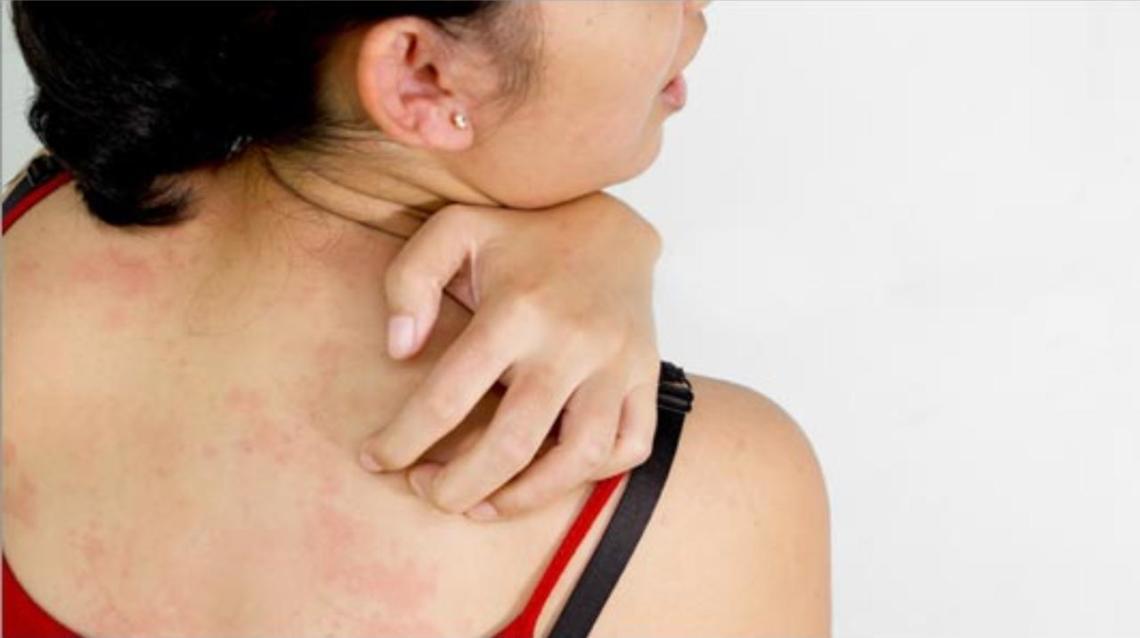
The monsoon season may bring relief from heat, but it also creates the perfect environment for skin-related problems. Health experts warn that Monsoon Fungal Infections are becoming increasingly common due to high humidity, excessive sweating, and damp clothing conditions that allow fungi to thrive.
According to dermatologists and the American Academy of Dermatology (AAD), fungal infections tend to grow rapidly in warm, moist environments, especially in skin folds where sweat and moisture get trapped. While most cases are not serious, Monsoon Fungal Infections can spread quickly if ignored and may recur without proper hygiene and treatment.
Why Monsoon Increases the Risk of Fungal Infections
Experts explain that the combination of wet weather, humid air, and reduced airflow around the skin creates ideal conditions for fungal growth. Wearing wet shoes, tight clothing, and not drying the skin properly after rain exposure can weaken the skin’s natural barrier.
These conditions significantly increase the likelihood of Monsoon Fungal Infections, especially in areas like feet, groin, and skin folds where moisture remains trapped for longer periods.
Common Types of Fungal Infections During Monsoon
Doctors highlight several fungal conditions that commonly rise during the rainy season:
- Ringworm (Tinea Corporis): A red, circular, itchy rash that spreads through skin contact or contaminated items.
- Athlete’s Foot (Tinea Pedis): Causes itching, burning, and peeling between toes due to damp footwear.
- Jock Itch (Tinea Cruris): A red rash in the groin area, worsened by sweat and tight clothing.
- Cutaneous Candidiasis: A yeast infection that develops in moist areas like underarms and under breasts.
- Pityriasis Versicolor: Causes uneven skin patches on the chest, back, and shoulders.
All these conditions fall under the broader category of Monsoon Fungal Infections, which tend to worsen if left untreated or if hygiene practices are ignored.
Simple Home Care Tips for Relief
Doctors recommend a few basic steps to manage early symptoms of fungal infections. Keeping the skin dry is the most important preventive measure. Changing out of wet clothes immediately and thoroughly drying skin folds can significantly reduce the risk of Monsoon Fungal Infections.
Wearing loose cotton clothing helps improve airflow and reduces sweat buildup. Maintaining proper hygiene by washing affected areas gently and avoiding shared towels or clothing also helps prevent spread.
Also read : Experts Warn Against monsoon hair care mistakes That Cause Hair Fall and Dandruff
When to See a Doctor
Experts advise seeking medical help if symptoms persist beyond two weeks or if there is swelling, pus, pain, or fever. Individuals with diabetes, weakened immunity, or circulation issues should be especially cautious, as they are at higher risk of complications from Monsoon Fungal Infections.
Prevention Tips for Monsoon Season
Preventing fungal infections during the rainy season requires consistent care. Dermatologists recommend keeping the skin dry, avoiding tight or non-breathable clothing, and ensuring shoes are fully dry before reuse.
Quickly changing out of wet garments and maintaining personal hygiene can significantly reduce the chances of developing Monsoon Fungal Infections. Proper prevention habits can help individuals stay comfortable and infection-free throughout the season.
While the monsoon brings cooler weather, it also increases the risk of fungal growth on the skin. Awareness and early care are key to managing Monsoon Fungal Infections effectively. With proper hygiene, timely treatment, and preventive practices, most fungal infections can be controlled before they become severe or recurring.