
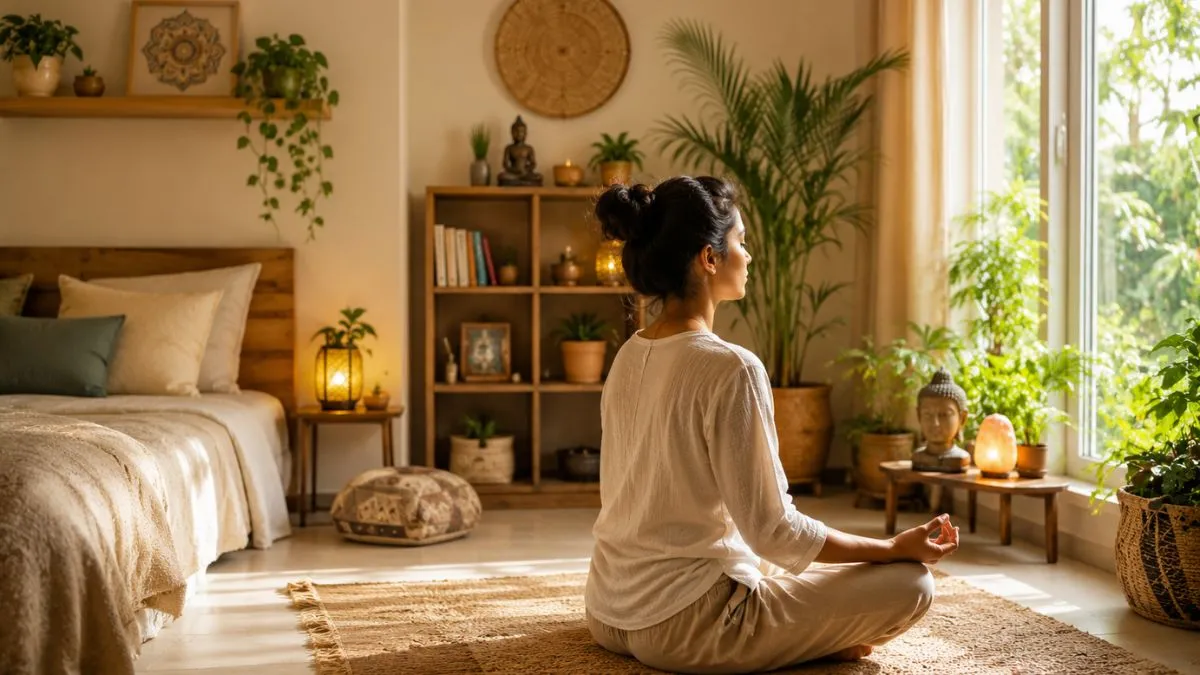
As modern life becomes increasingly fast-paced, many young people are searching for ways to reduce stress, improve focus, and create a sense of balance. Alongside mindfulness, meditation, and yoga, Vastu for mental well-being is gaining popularity among Gen Z as a simple and practical approach to creating a peaceful living environment.
With academic pressure, career uncertainty, social media comparisons, and constant digital connectivity affecting mental health, many believe that a well-organised and positive home environment can contribute to emotional wellness.
Why Vastu Is Becoming Popular Among Gen Z
Unlike common misconceptions, Vastu is not only about home decoration or traditional architecture. The principles of Vastu for mental well-being focus on maintaining harmony, reducing clutter, improving natural light, and creating spaces that encourage relaxation and productivity.
Also read : Why the Kailash Mansarovar Yatra Remains the Ultimate Path to Moksha in Hinduism
Wellness Culture Drives Interest in Vastu
The growing wellness movement has encouraged Gen Z to prioritise self-care, healthy routines, and emotional health. Practices such as meditation, better sleep habits, journaling, and mindful living have become part of everyday life. In this context, Vastu for mental well-being naturally complements these habits by focusing on creating supportive and peaceful surroundings.
Many young people are adopting easy practices such as allowing more natural sunlight into their rooms, maintaining organised workspaces, reducing unnecessary clutter, and using calming colours to improve their environment.
Small Changes Can Make a Big Difference
One of the biggest reasons behind the popularity of Vastu is its practicality. Many Gen Z individuals live in rented apartments, hostels, or shared accommodations where major renovations are not possible.
Simple adjustments like rearranging furniture for better airflow, keeping study tables clean, adding indoor plants, and creating a dedicated relaxation corner can help make living spaces feel more comfortable. These affordable changes have made Vastu for mental well-being an appealing choice for young adults.
Social Media Helps Spread Vastu Awareness
Social media platforms have played a significant role in introducing Vastu concepts to younger audiences. Short videos, reels, blogs, and podcasts regularly share practical tips that are easy to understand and implement.
Popular suggestions include keeping rooms clutter-free, maximising natural light, maintaining an organised workspace, and creating quiet corners for reading or meditation. These simple ideas have made Vastu for mental well-being more accessible than ever, encouraging many young people to adopt small lifestyle changes that support a calmer and healthier daily routine.