
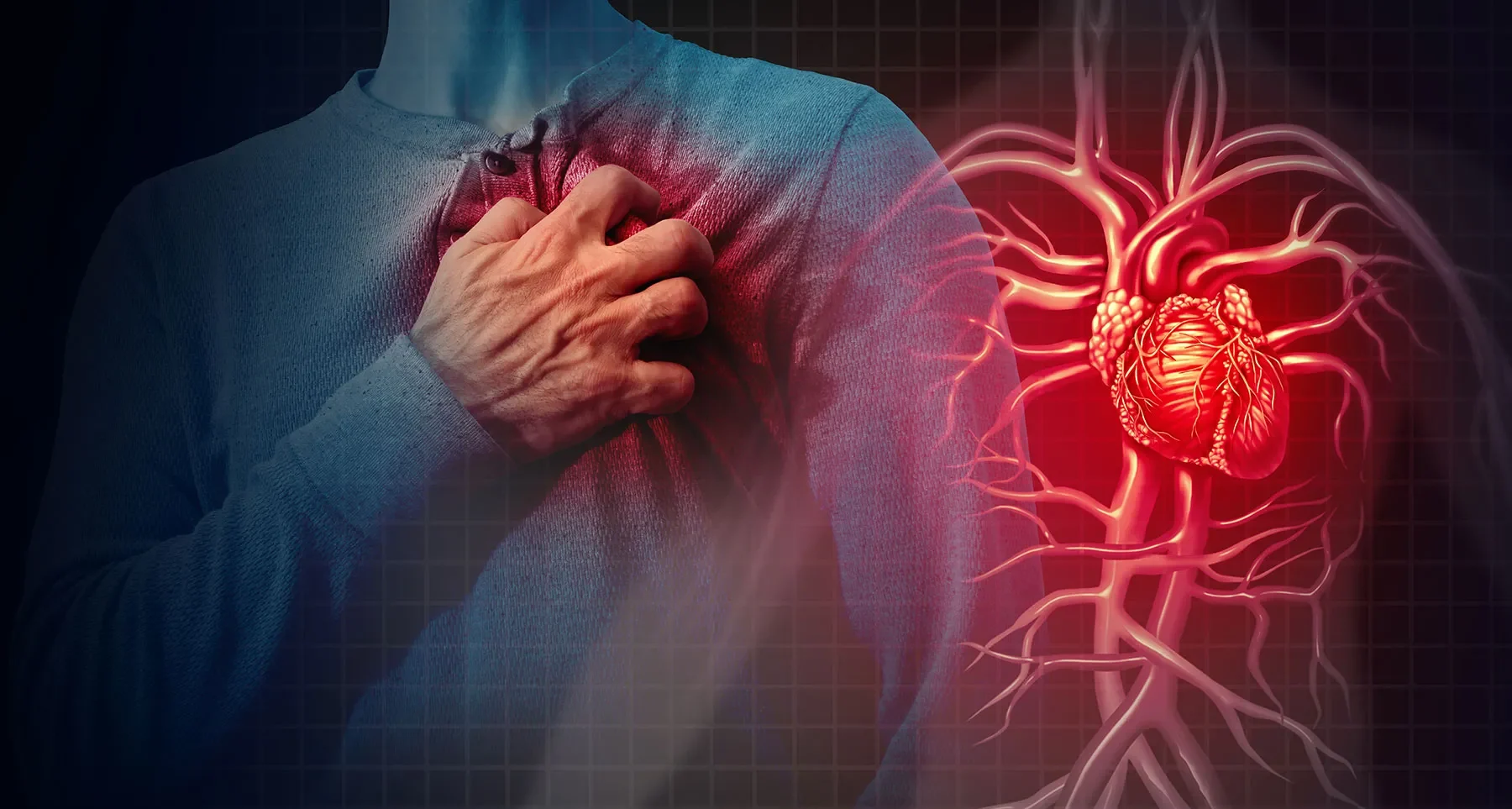
New Delhi: Heart attacks often occur suddenly, but in many cases, the body gives signals before a medical emergency strikes. Recognizing Heart Attack Warning Signs early can make the difference between life and death. Experts say timely treatment not only improves survival rates but can also reduce long-term damage to the heart.
What Happens During a Heart Attack?
A heart attack, also known as a myocardial infarction, occurs when blood flow to a part of the heart becomes blocked. This blockage is usually caused by the buildup of cholesterol, fatty deposits, and other substances inside the arteries. When blood flow stops, the affected heart muscle is deprived of oxygen and begins to die.
Understanding Heart Attack Warning Signs is crucial because the longer treatment is delayed, the more severe the damage can become.
Common Heart Attack Warning Signs
Many people associate heart attacks with severe chest pain, but symptoms can vary from person to person. Some of the most common Heart Attack Warning Signs include:
- Chest pain, pressure, or tightness
- Pain spreading to the arm, neck, jaw, shoulder, or back
- Shortness of breath
- Nausea or vomiting
- Dizziness or lightheadedness
- Cold sweats
- Unusual fatigue, especially in women
In older adults and people with diabetes, symptoms may be less obvious, making early recognition even more important.
Can a Person Survive More Than One Heart Attack?
Yes, many people survive two, three, or even more heart attacks. Advances in medical treatment have significantly improved survival rates. However, every heart attack can leave behind permanent scarring, which may weaken the heart over time.
Also read : Eye Twitching Not Always Serious, Say Experts; Know the Real Reasons
Why Quick Treatment Matters
Cardiologists often refer to the first hour after symptoms begin as the “golden hour.” Receiving emergency treatment during this period can restore blood flow, limit heart muscle damage, and improve long-term outcomes.
If a heart attack progresses to cardiac arrest, where the heart stops beating effectively, the situation becomes much more dangerous. Immediate CPR and emergency medical attention are critical for survival.
Reducing the Risk of Future Heart Attacks
Experts say that preventing future heart attacks starts with addressing risk factors. Quitting smoking, managing blood pressure, controlling diabetes, maintaining a healthy weight, exercising regularly, and following prescribed treatments can all lower the risk.
Being aware of Heart Attack Warning Signs also helps individuals seek treatment sooner, reducing the likelihood of severe complications.
The Bottom Line
There is no fixed limit to how many heart attacks a person can survive. Outcomes depend on the severity of each attack, overall health, and how quickly treatment is received. Recognizing Heart Attack Warning Signs and taking immediate action remains one of the most effective ways to improve survival and protect long-term heart health.
While heart attacks can be life-threatening, early intervention, healthy lifestyle choices, and regular medical care can help people live longer and healthier lives.