
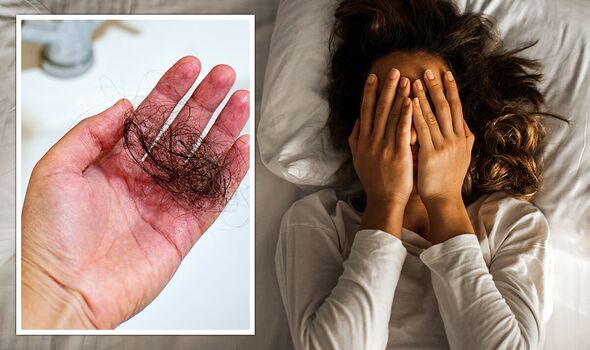
Lack of Sleep Hair Fall : In today’s fast-moving lifestyle, poor sleep has become a common problem due to stress, work pressure, and excessive screen time. Many people stay up late using mobile phones or working long hours, which affects overall health in multiple ways. Experts now highlight that one of the lesser-known effects is increased hair fall caused by lack of rest.
The connection between sleep and hair health is often ignored, but research and health observations suggest that sleep plays a major role in maintaining strong and healthy hair. The growing concern around Lack of Sleep Hair Fall is now gaining attention among health professionals.
How Lack of Sleep Leads to Hair Fall
Hair growth is a natural process that depends on proper nourishment and body recovery. During deep sleep, the body repairs itself and strengthens hair roots. However, when sleep is incomplete or irregular, this repair process gets disrupted.
As a result, weakened hair roots may lead to increased breakage and visible hair fall. Over time, the issue of Lack of Sleep Hair Fall can become more noticeable if proper sleep habits are not maintained.
Stress Hormones and Their Impact on Hair
One of the key reasons behind Lack of Sleep Hair Fall is the rise in stress hormones like cortisol. When the body does not get enough sleep, stress levels increase, which can negatively affect hair health.
Also read : Buttermilk Health Benefits: 5 Reasons Why It Is the Perfect Summer Drink
Poor Sleep Also Affects Scalp Health
Insufficient sleep does not only weaken hair roots but also disrupts scalp balance. It can cause dryness, excess oil production, dandruff, and irritation.
When the scalp becomes unhealthy, hair roots are also affected, making the problem of Lack of Sleep Hair Fall even worse over time. Maintaining good sleep hygiene is essential for both scalp and hair health.
Recommended Sleep for Healthy Hair
Health experts suggest that adults should get at least 7 to 8 hours of quality sleep every night. A fixed sleep schedule helps improve both overall health and hair strength.
Improving sleep habits can significantly reduce the risk of Lack of Sleep Hair Fall and support better hair growth and recovery.
Simple Tips to Improve Sleep and Reduce Hair Fall
Avoiding screens such as mobile phones and laptops before bedtime can help improve sleep quality. Eating light meals at night and practicing relaxation techniques like yoga, meditation, or deep breathing can also support better rest.
Maintaining a consistent sleep routine is important for reducing Lack of Sleep Hair Fall and improving overall well-being. If sleep problems persist, consulting a health professional is recommended for proper guidance.