
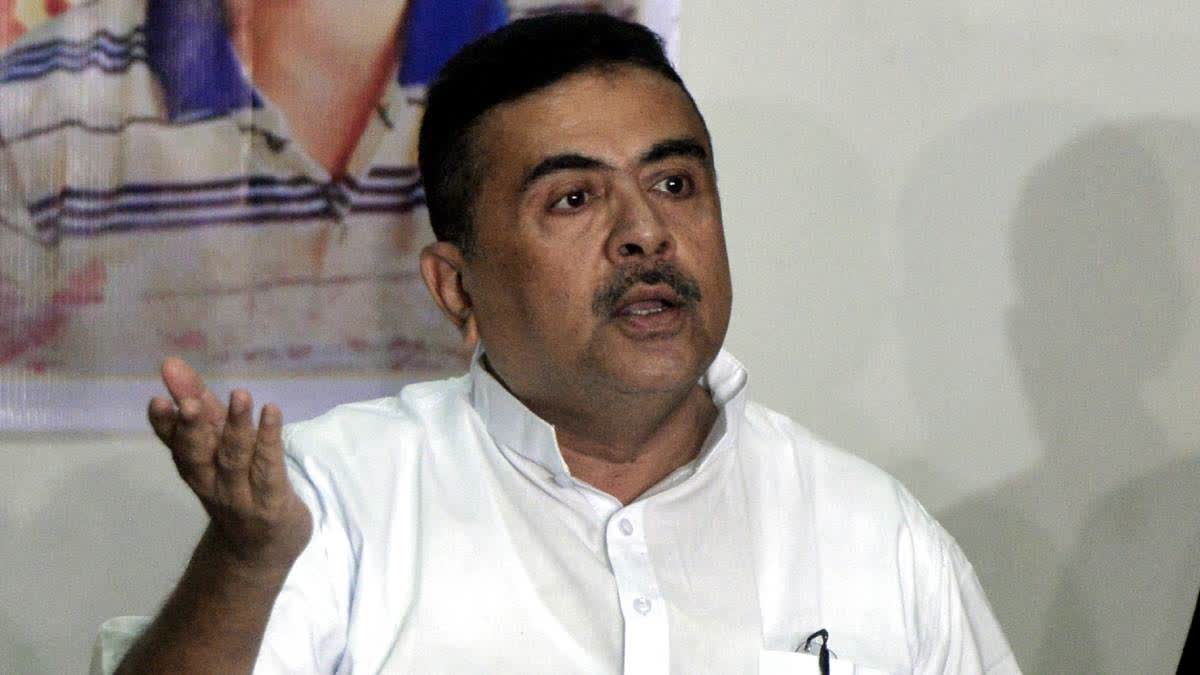
West Bengal Chief Minister Suvendu Adhikari on Wednesday directed officials to reduce the number of vehicles in his convoy as part of an effort to save fuel and promote austerity measures.
The decision comes shortly after Prime Minister Narendra Modi urged citizens to adopt fuel-saving practices amid global economic uncertainty triggered by rising crude oil prices.
Suvendu Adhikari Reduces Convoy Size
Speaking to the media after taking oath as MLA from Kolkata’s Bhabanipur constituency, Suvendu Adhikari said he had instructed the Directorate of Security to ensure that his convoy uses only the minimum required number of vehicles.
“I watched Prime Minister Narendra Modi’s message to the people. He has always set examples and shown us the way. I told the Directorate of Security that the number of vehicles used for my movements should not exceed the minimum requirement. No excess vehicles,” he said.
Inspired by PM Modi’s Austerity Message
The move aligns with PM Modi’s recent appeal encouraging citizens to adopt cost-saving and environmentally conscious habits such as carpooling, using public transport, reducing luxury consumption, and limiting unnecessary travel.
Adhikari noted that while such measures are not mandatory, leaders and citizens who believe in the initiative should voluntarily follow it.
Also read : Who Was Prateek Yadav? Mulayam Singh Yadav’s Son Dies at 38 in Lucknow
BJP MLAs Also Adopting Fuel-Saving Steps
According to state government officials, BJP MLAs and ministers are expected to reduce the size of their convoys moving forward as part of the broader initiative.
Adhikari’s convoy reportedly had five vehicles when he arrived at the assembly, compared to the usual eight to ten vehicles used for high-profile movements.
Several BJP legislators also used buses provided by the assembly while traveling from the MLA Hostel on Kyd Street in Kolkata, reflecting a shift toward more economical transport arrangements.
Broader Push for Austerity Measures
The initiative is part of a wider message emphasizing responsible consumption and reduced dependency on fuel-intensive travel. The development highlights how political leaders are responding to national calls for economic prudence and sustainability.