
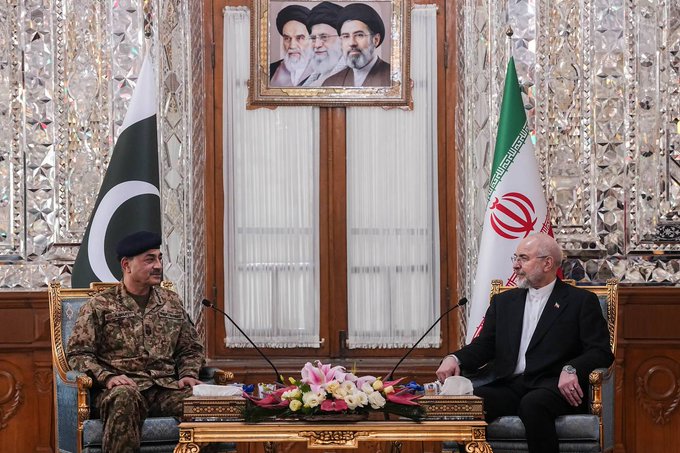
TEHRAN — Tensions between Tehran and Islamabad have reached a boiling point following a public attack by Iranian state-controlled media. Iranian commentators have launched an unusually sharp critique against Pakistan’s military leadership. At the center of this diplomatic firestorm is Army Chief General Asim Munir. Tehran officially accuses Islamabad of playing a “double game” while acting as the primary mediator in the high-stakes US-Iran peace talks. This public rift emerges just as United States President Donald Trump announced an indefinite extension of the current ceasefire. However, the mediation efforts led by General Munir appear to be crumbling under the weight of mutual distrust.
The Iranian government claims that Pakistan has shifted away from its role as a neutral facilitator. According to reports from Tehran, Iran submitted a formal 10-point negotiation framework through Pakistani intermediaries earlier this month. While President Trump initially described the proposal as a “workable basis,” Iranian state media now alleges that Islamabad has sidelined this plan. Instead, they claim General Asim Munir is pushing a new “American framework” consisting of 15 to 16 aggressive demands. These include the total surrender of enriched uranium and the dismantling of Iran’s regional proxy network. Consequently, Tehran has labeled Pakistan’s current posture as one of duplicity.
The Failure of the Islamabad Dialogue and Mediation Stall
The latest phase of the US-Iran talks in Islamabad has entered a dangerously fragile state. While General Asim Munir has been hailed by some international observers as a “military powerbroker,” Tehran views his closeness with the Trump administration with suspicion. Analysts in Iran argue that Pakistan is leveraging its back-channel ties to weaken Iran’s bargaining position. Specifically, they allege that Pakistan’s public messaging is misleading. Reports suggesting that a second round of face-to-face negotiations is imminent have been flatly dismissed by Iranian officials.
Also Read : Iran Supreme Leader Greenlights Islamabad Talks; JD Vance Leads US Delegation
“We will not negotiate under threats or coercion,” stated an Iranian Foreign Ministry spokesperson. The deadlock is further complicated by the ongoing US naval blockade. Although the ceasefire remains in place, US warships continue to restrict Iranian ports. Tehran calls this blockade a violation of the truce and a “hostile act of war.” On Wednesday, April 22, 2026, the US technically kept the door open for talks. However, the demand for a “unified proposal” from Tehran has been met with silence. Iran insists that no second round of talks will occur until the “pressure tactics” of the US and its intermediaries stop.
General Asim Munir: The “Favorite Field Marshal” Under Fire
The personal targeting of General Asim Munir marks a significant departure from traditional diplomatic decorum between the two neighbors. President Trump has often referred to Munir as his “favorite field marshal” due to his role in de-escalating regional conflicts. Yet, this very proximity to Washington is what has fueled Iran’s ire. Iranian media commentators have spent the last 48 hours criticizing Munir’s “diplomatic blitz.” They claim his efforts are aimed at shaping global perception rather than achieving a fair peace deal.
Moreover, the rift between the “hybrid regime” in Pakistan and the Iranian leadership could have long-term security implications. Both nations share a volatile 900-kilometer border. Any breakdown in communication between the military headquarters in Rawalpindi and Tehran could lead to renewed border skirmishes. For now, General Asim Munir remains the central figure in this geopolitical tightrope walk. His ability to restore trust with Iran while maintaining his relationship with the US will define the success or failure of the 2026 peace process.
Looking Ahead: Is a Breakthrough Still Possible?
Despite the harsh rhetoric, the technical channels for communication remain open through the Pakistani Foreign Office. However, the “trust level” that General Asim Munir once enjoyed in Tehran is clearly at its lowest point. If the mediation fails, the risk of a full-scale military escalation in the Strait of Hormuz will return. The international community is now watching to see if Islamabad can re-adjust its strategy to appease Iranian concerns. For the moment, the “double game” allegations have placed General Munir in the most challenging diplomatic position of his career.