
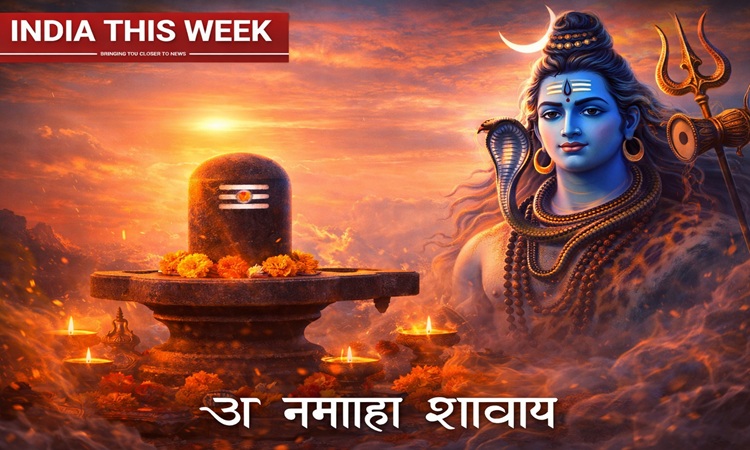
Final Pradosh Fast (Vart) of January 2026: Date and Auspicious Time
The Last Pradosh fast of January 2026 falls on Friday, January 30, 2026. On this day, Lord Shiva’s devotees across India observe a sacred fast during Pradosh kaal—the divine evening twilight period dedicated to Shiva.
According to the Hindu lunar calendar, Pradosh Fast (Vrat) occurs twice each lunar month—once during Krishna Paksha and once during Shukla Paksha—on the Trayodashi (13th lunar day). The January fast on 30 January marks the Shukla Paksha Pradosh of Magha month.
Auspicious Pradosh Kaal: The sacred worship period generally begins just before sunset and lasts for roughly two to three hours. Devotees plan their fast around this special time to honour Lord Shiva and seek his blessings.
Also Read : Mahashivratri 2026 Date: Exact Vrat Day, Puja Timings, Nishita Kaal, and Auspicious Yogas
What is Pradosh Fast and Its Spiritual Significance?
Pradosh Fast (Vrat) is one of Hinduism’s revered fasts dedicated to Lord Shiva and Goddess Parvati. The word Pradosh literally means the time of evening twilight. Worship performed during this period is believed to yield powerful spiritual benefits.
According to Vedic beliefs, Lord Shiva is most accessible to devotees during Pradosh kaal. Devotees believe that sincere worship at this time can cleanse past sins, remove obstacles, and fulfil heartfelt desires.
On the Last Pradosh fast of January 2026, devotees especially focus on prayers for peace, prosperity and inner transformation as the month draws to a close.
Pradosh fasts that fall on specific weekdays—such as Sunday (Ravi Pradosh), Friday (Shukra Pradosh), or Saturday (Shani Pradosh)—are considered even more auspicious. The January 30 fast, being a Friday Pradosh, is known as Shukra Pradosh Vrat, which many believe brings harmony, spiritual balance, and relational blessings.
Rituals and Worship Steps for Pradosh Vrat
- Preparation Before Fast
Devotees wake early, take a holy bath with clean clothes, and prepare an altar for Shiva. Gathering Bilva (Bel) leaves, flowers, fruits, and water, devotees start the spiritual day with cleanliness and devotion.
- Fasting and Abstinence
The fast is usually nirjala (without water) or with limited water. Devotees refrain from grains and non-vegetarian food. They maintain purity of mind and body throughout the day.
- Evening Rituals in Pradosh Kaal
During Pradosh Kaal, worshippers perform Abhishekam to Shiva Lingam with milk, honey, and water. They chant “ॐ नमः शिवाय” continuously and offer bel leaves, flowers, incense and lamps.
- Mantra Recitation & Devotional Singing
Devotees recite Shiva mantras, including Maha Mrityunjaya and Om Namah Shivaya. Many read the Pradosh Vrat katha (legend) and perform Aarti at dusk.
- Breaking the Fast
After sunset and completion of rituals, the fast is traditionally broken at night or the following morning in line with the auspicious Parana time.
Benefits and Importance of Observing Pradosh Vrat
Devotees who observe the Last Pradosh fast of January 2026 believe it brings multiple spiritual and worldly benefits:
- Inner peace and mental clarity
- Relief from adversity and fear
- Strengthened devotion and spiritual awakening
- Fulfilment of wishes and liberation from karmic burdens
Especially on Shukra Pradosh, married couples and families pray for harmony and blessings of prosperity. Many also use this occasion to light lamps and donate food or essential items to the needy.