
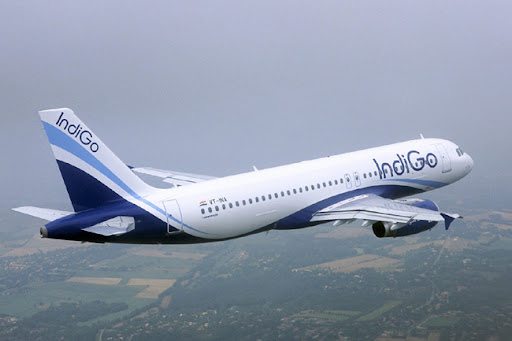
IndiGo appoints technical experts after thousands of flight cancellations due to pilot fatigue rules. DGCA steps in to oversee investigation.
India’s largest airline, IndiGo, has taken measures to mitigate the repercussions of one of the most severe operational failures in its history by announcing the appointment of external technical specialists to investigate the underlying causes of last week’s widespread flight cancellations.
The disorder disrupted airports across the country, overwhelmed aviation infrastructure, and resulted in thousands of passengers being stranded.
What was the cause of the crisis?
IndiGo’s difficulties commenced last week following the airline’s inadequate preparation for the implementation of stricter pilot fatigue management regulations (FDTL). The ripple effect was swift and significant: thousands of flights were canceled across the country, reaching their zenith on December 5, resulting in lengthy queues, missed connections, and heightened frustration among travelers.
By Tuesday, the airline reported that operations had stabilized and reverted to normal levels. However, on Wednesday alone, approximately 220 flights were still canceled across key airports, including Delhi and Mumbai, signifying that the recovery process continues to be inconsistent.
Also read : Amazon to Invest USD 35 Billion in India by 2030
Chairman Vikram Singh Mehta characterized the incident as a blemish on IndiGo’s reputation, acknowledging openly: “We failed our customers.”
IndiGo’s Official Apology: The Commitments Made by the Airline
In a comprehensive statement issued on December 10, Mehta issued an unconditional apology for the disruption and announced that IndiGo will undertake a thorough technical review, including the appointment of independent specialists, according to Moneycontrol.
He assured passengers, “We will thoroughly investigate all aspects of what went wrong, and we will draw lessons from it…” so that this degree of disruption is never repeated.
The airline’s leadership has also refuted the extensively circulated allegations that the crisis was deliberately orchestrated to compel the government to amend aviation regulations.
Mehta clarified:
- IndiGo did not endeavor to circumvent FDTL safety regulations.
- It functioned in accordance with revised safety standards in July and November.
- There was no concession regarding safety nor any lapse in Board governance.
The Government Intervenes: Initiation of DGCA Oversight
The operational failure has garnered significant attention from the Directorate General of Civil Aviation (DGCA), which has initiated increased supervisory measures.
Measures announced encompass the establishment of a dedicated supervision team to oversee the situation, the summons of IndiGo CEO Pieter Elbers to appear before the regulator on Thursday, and a mandate for IndiGo to submit a comprehensive report containing all operational data pertaining to cancellations.
Also read ; Gold Price Today: Check 22K & 24K Rates Across Major Indian Cities – Dec 9, 2025
The DGCA’s action indicates that regulators are reluctant to delegate investigations exclusively to the airline, particularly when disruptions have impacted a significant number of passengers.
A Detailed Examination of the Fatigue Rule Factor
Although IndiGo asserts that it adhered to established safety protocols, the cancellations resulted from its failure to adjust rosters in accordance with the new FDTL framework. The revised regulations emphasize safeguarding pilots against excessive working hours and fatigue, addressing a longstanding safety issue worldwide.
The airline’s scheduling systems, training programs, and reserve capacity seem to have been overextended, resulting in a cascade of cancellations following the initial disruptions.
Passenger Discontent and Public Examination
The extent of the cancellations drew criticism from all sectors. Mehta acknowledged that some of it was warranted, stating, “The valid criticism is that the airline failed to meet expectations.” We have a responsibility to provide answers to our customers, government, shareholders, and employees.
Social media was inundated with reports of missed nuptials and professional engagements, extended customer service wait times, and uncertainties regarding refunds and rebookings.
The controversy has also rekindled discussions regarding aviation resilience, concentrated market dominance, and the challenges faced by budget carriers to operate with minimal buffers.