
Industrial Conglomerate Enters Electric Mobility Sector
Commercial vehicle dynamics are shifting as JSW Greentech Eyes Spot among domestic industry leaders. Group Chairman Sajjan Jindal announced an aggressive strategy targeting 100,000 annual electric truck and bus sales by 2030. The newly created electric commercial vehicle division plans to rank among India’s top three manufacturers, disrupting a market historically dominated by traditional automotive players.
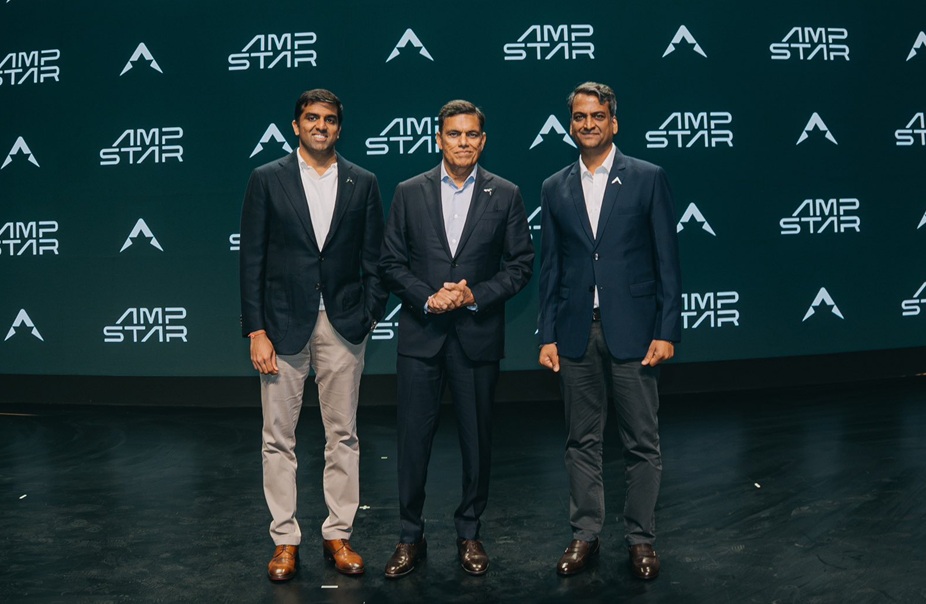
The group introduced its dedicated commercial mobility brand, AMPSTAR, focusing on heavy-duty electric transport. Initial product rollouts target heavy logistics, cement transit, and industrial haulage, where fleet operators face high diesel costs. Jindal emphasized that internal group requirements across steel plants and mining concessions will provide immediate baseline order volumes for vehicle testing and market adoption.
Heavy Duty EV Market Adoption Trends
Electric commercial vehicle adoption is accelerating rapidly in the heavy-duty segment. Industry sales data highlights steady growth in heavy electric trucks, driven by favorable state policies in key industrial corridors. High diesel prices and strict corporate decarbonization mandates encourage logistics operators to transition to zero-emission fleets.
Industry analysts note that entering heavy commercial transport requires significant capital outlays for charging hubs and megawatt-scale power infrastructure. By deploying captive charging stations across steel and logistics networks, JSW Greentech aims to lower operational costs for third-party transport partners.
Manufacturing Footprint and Battery Localisation Strategy
Achieving a 100,000-unit annual target requires significant scaling of manufacturing infrastructure. JSW Greentech is establishing specialized assembly lines designed specifically for heavy-duty electric chassis platforms. Rather than modifying existing internal combustion designs, the engineering team developed a modular skateboard architecture that accommodates multi-pack battery configurations.
A core pillar of this manufacturing plan involves battery cell localization. By leveraging group synergies in industrial metallurgy and chemical processing, JSW aims to assemble high-density LFP (Lithium Iron Phosphate) battery packs domestically. Localized pack assembly protects the brand against global supply chain bottlenecks and lowers the total cost of ownership for commercial transport fleets.
Fleet Economics and Total Cost of Ownership Disruption
For commercial fleet operators, vehicle purchasing decisions depend on total cost of ownership (TCO) metrics. While electric commercial vehicles carry higher upfront acquisition costs than diesel models, their operational savings on fuel and maintenance offset the price differential within 36 to 48 months.
JSW Greentech intends to accelerate fleet adoption by offering “Battery-as-a-Service” (BaaS) and flexible leasing structures. These financial models reduce upfront capital hurdles for small fleet operators, enabling them to transition to electric mobility without taking on excessive debt liabilities.
Also Read : https://indiathisweek.in/business/big-techs-ai-switch-may-dent-20b-it-outsourcing-revenue/
Regional Expansion and Export Aspirations
While domestic industrial corridors remain the immediate focus, JSW Greentech is laying the groundwork for long-term international exports. Emerging markets across Southeast Asia, Africa, and Latin America face similar decarbonization goals and rising fuel costs, creating export opportunities for cost-effective heavy electric trucks.
By building a robust domestic supply chain and establishing manufacturing scale in India, JSW Greentech positions itself to become a global exporter of electric commercial vehicles. Management believes that achieving scale in India will provide the cost structure required to compete against Chinese EV manufacturers in international markets.