
Right to Disconnect Bill Seeks Clear Boundaries Between Work and Personal Life
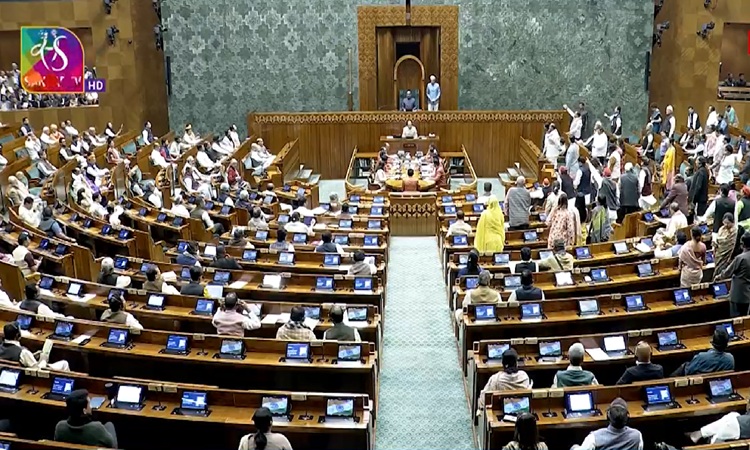
The Right to Disconnect Bill was introduced in the Lok Sabha on Friday, and it sparked strong interest across political and corporate circles. NCP MP Supriya Sule presented this private member’s bill to give employees a legal right to ignore work-related calls and emails after office hours. Moreover, the bill aims to stop employers from expecting responses during holidays or late evenings.
Private member bills allow MPs to raise public issues that need legislative action. However, most such bills are not passed. Instead, they are withdrawn after the government responds. Even so, the introduction of this bill has created an important debate on the need to protect mental health and work-life balance in India’s fast-paced workplaces.
The proposed law seeks to establish an Employees’ Welfare Authority. This authority would frame rules that restrict after-hours communication and offer guidelines for fair digital usage. Additionally, the bill says that employees should be allowed to refuse after-work communication without fear of action.
Parliament Sees Multiple Progressive Bills on Workplace and Social Welfare
Alongside the Right to Disconnect Bill, MPs tabled several private member bills on key social issues. These bills cover menstrual leave, safety protections, and reforms in education. Although these proposals may not become law soon, they highlight emerging concerns across the country.
Congress MP Kadiyam Kavya introduced the Menstrual Benefits Bill, 2024. The bill proposes support systems for women at workplaces during menstruation. It also seeks mandatory facilities that ensure comfort, hygiene, and dignity for female employees. Moreover, the proposal aims to create a legal structure that requires employers to follow clear standards.
In addition, LJP MP Shambhavi Choudhary introduced a bill that goes a step further. Her bill focuses on paid menstrual leave for working women and female students. It also calls for menstrual hygiene support and other health-related benefits. Together, the two menstrual-related bills highlight growing attention on gender-inclusive workplace policies.
Bills Target Education Reforms and Human Rights Concerns
Another important bill came from Congress MP Manickam Tagore. He proposed exempting Tamil Nadu from NEET for undergraduate medical admissions. Tamil Nadu has opposed NEET for years, saying the exam disadvantages students from rural and state board backgrounds. Last month, the state government approached the Supreme Court after the President refused assent to its NEET-exemption law. Therefore, the fresh proposal seeks to revive the debate.
DMK MP Kanimozhi Karunanidhi also introduced a major bill. Her proposal aims to abolish the death penalty in India. She said that repeated calls for abolition should be considered. Moreover, she pointed out that the Law Commission had recommended ending the death penalty except in terror cases. The Commission noted that capital punishment does not deter crime more than life imprisonment. Although previous governments did not act on this advice, the issue continues to draw national attention.
Journalist Protection Bill Highlights Rising Concerns Over Media Safety
Independent MP Vishaldada Prakashbapu Patil introduced the Journalist (Prevention of Violence and Protection) Bill, 2024. This proposal aims to protect journalists and their property from attacks. It seeks a legal framework to prevent violence and ensure safety. Additionally, the bill reflects growing concerns over media freedom and the rise in cases involving threats and assaults against reporters.
Although these bills may not become laws soon, they shape public dialogue. They also push the government to address concerns linked to labour welfare, gender rights, media safety, and justice reforms. The Right to Disconnect Bill stands out due to its wide impact, especially as digital communication blurs work boundaries. Many employees hope that India will adopt stronger rules that protect mental health and promote healthier work environments.