
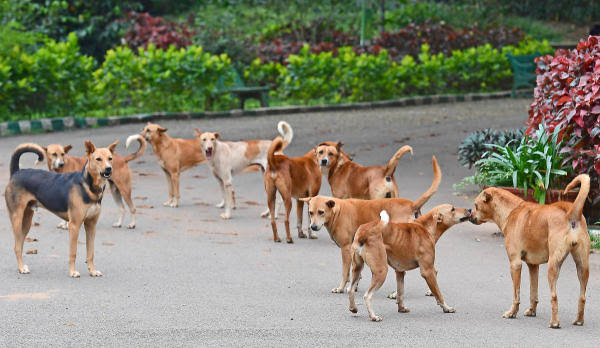
MCD Steps Up Action After Dog Bite Incident at Para Athletics
The Municipal Corporation of Delhi (MCD) has intensified its stray dog-catching operations around Jawaharlal Nehru Stadium after two foreign coaches were bitten during the 12th World Para Athletics Championships in Delhi. The incident, which took place on Friday morning, has drawn sharp attention to the city’s long-standing stray dog menace, especially around major public venues.
According to officials, the victims were Kenyan sprint coach Dennis Mwanzo and Japanese assistant coach Mieko Okumatsu. Both were attacked by stray dogs at the stadium’s warm-up track area before training began. Following the incident, the MCD launched an aggressive drive to remove stray dogs from inside and around the sports complex.
A senior MCD official said, “We have deployed five dog-catching vehicles near the stadium since Saturday morning. So far, 27 dogs have been caught since September 25, including five on Saturday.” These dogs were taken to a nearby Animal Birth Control (ABC) Centre for sterilisation and observation.
Drive Intensified to Secure the Stadium Area
The MCD clarified that preventive operations had already started before the championship began. “We had cleared the stadium premises earlier. However, there are 21 gates, and dogs often enter through gaps under them. Some dog feeders also enter despite restrictions, which attracts stray dogs,” the official explained.
The civic body said additional teams and vehicles were deployed to ensure safety during the event. “The zonal doctor was instructed to arrange enough vans and staff. On Saturday, five vehicles were stationed from 7 am to transfer the strays to shelters,” the official added.
To prevent recurrence, the organising committee has now banned dog feeders from entering the premises. Coordination between MCD officials and event organisers continues to ensure the area remains secure for athletes and visitors.
Kenyan Coach Hospitalised; Teams Express Concern
After the incident, Kenya’s team doctor Michael Okaro confirmed that coach Dennis Mwanzo was immediately rushed to Safdarjung Hospital, where he received anti-rabies vaccination and treatment. “Dennis was given the rabies vaccine and is now recovering. However, the incident is a big sign of worry for all participants,” Okaro said.
The Japanese team also expressed concern about safety measures. Sources said their assistant coach, Mieko Okumatsu, received timely first aid and is under observation.
International delegations have urged authorities to enhance animal control measures at major sports venues. “Athletes need safe conditions to train. Such incidents can affect their performance and mental preparedness,” one official commented.
Legal Context and Supreme Court Orders on Stray Dogs
The incident has reignited debate over Delhi’s stray dog management policies. On August 11, the Supreme Court directed that all stray dogs in Delhi be relocated to designated shelters, citing a spike in dog bite cases.
However, the apex court later modified its order, instructing authorities to release sterilised, dewormed, and vaccinated dogs back to their original locations as per the Animal Birth Control (ABC) Rules, 2023. This decision created operational challenges for municipal bodies, especially in high-density areas and public zones like stadiums.
Animal welfare activists have also urged authorities to maintain humane practices while ensuring public safety. They stressed the importance of proper sterilisation and vaccination drives across the city.
MCD’s Continued Efforts and Future Plans
An MCD spokesperson said the civic body has enough manpower and resources to manage the issue. “Seven stray dogs were removed on September 25 itself. Our team has been coordinating with the organising committee since the start of the championship. Vehicles are stationed daily to ensure timely response,” the official stated.
The MCD has assured foreign delegations that strict surveillance and frequent patrols will continue until the event concludes. Authorities are also exploring long-term preventive measures, including sealing entry points and strengthening collaboration with local animal welfare groups.