
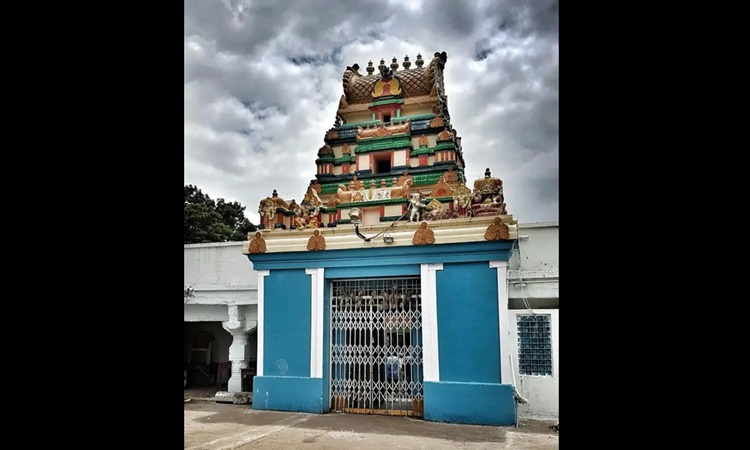
Ancient Temple Linked to Modern Visa Dreams
As concerns rise over the steep new H1B visa fee announced by US President Donald Trump, a centuries-old temple in Telangana has once again captured national attention. The Chilkur Balaji Temple, located on the outskirts of Hyderabad, is popularly known as the “Visa Balaji Temple.” For many Indians, particularly IT professionals aiming to work in the United States, this shrine has become a spiritual anchor in their journey toward the American dream.
For more than two decades, aspirants have flocked to the temple with the belief that sincere prayers offered here can help secure visas. From engineering graduates preparing for their first job abroad to seasoned technology workers seeking renewals, the temple has witnessed countless visitors tying their hopes to divine blessings. Families too come here, praying for the continued safety and success of children working overseas.
The Tradition Behind the “Visa Temple”
The Chilkur Balaji Temple, believed to be over 500 years old, is located near Osman Sagar Lake, about 30 kilometers from Hyderabad. Devotees follow a unique ritual here. They first perform 11 pradakshinas (circumambulations) around the sanctum while making their wish. Once the wish is fulfilled, they return to complete 108 pradakshinas as an act of gratitude.
The temple’s reputation as a destination for visa hopefuls is said to have begun in the 1990s. During that time, students from nearby colleges began visiting before their visa interviews. As stories of successful approvals spread, the shrine became firmly associated with international aspirations. Today, it continues to attract aspirants from across India who seek divine intervention before embarking on foreign journeys.
No Donations, Only Devotion
Unlike many temples across the country, Chilkur Balaji stands apart in its practices. There is no hundi (donation box), no paid rituals, and no VIP privileges. Devotees do not offer coconuts, flowers, or money to the deity. The emphasis is solely on faith and devotion, with prayers considered the only offering needed.
This practice has only added to the temple’s appeal, particularly among younger devotees who value the simplicity and transparency. The absence of monetary offerings and special treatment has reinforced the belief that blessings here are rooted in sincerity alone, not financial transactions.
A Beacon of Hope Amid Visa Uncertainty
The timing of the temple’s renewed attention coincides with uncertainty over US visa rules. The newly announced visa fee structure, running into tens of thousands of dollars, has created anxiety among aspirants and their families. With the H1B visa lottery already a matter of chance, many see divine blessings as an added layer of support.
For aspirants who succeed, the temple becomes a symbol of faith fulfilled. For those who face rejection, it remains a place to seek guidance, patience, and resilience. Either way, the site has emerged as a cultural phenomenon, blending centuries-old tradition with modern migration challenges.
Linking Faith and the American Dream
Chilkur Balaji Temple’s enduring popularity reflects more than ritual—it highlights the intersection of spirituality and ambition in contemporary India. While the journey to a foreign land involves complex paperwork, interviews, and high costs, many believe that faith offers strength in navigating uncertainty.
As India continues to send thousands of skilled professionals abroad each year, the temple remains an enduring reminder of how spiritual traditions adapt to modern realities. For aspirants, the path to global opportunities is not just about documents and policies—it is also about hope, prayer, and belief in divine timing.