
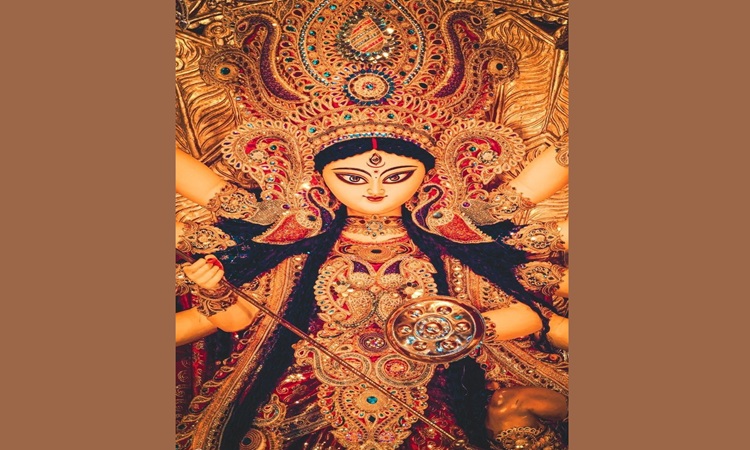
The day that marks the beginning of Durga Puja preparations
As autumn approaches, millions of Hindus prepare for Mahalaya, a day steeped in devotion, tradition, and cultural significance. Observed mainly in eastern India, especially West Bengal, this occasion signals the arrival of Goddess Durga and sets the tone for the grand Durga Puja festivities.
What is Mahalaya?
Mahalaya marks the end of Pitru Paksha, a fortnight dedicated to offering prayers for departed ancestors, and the beginning of Devi Paksha, the fortnight that celebrates Goddess Durga. According to Hindu belief, on this day Goddess Durga descends from her heavenly abode to the earth.
The spiritual aura of Mahalaya is closely tied to the famous radio broadcast of Mahishasura Mardini, a devotional program first aired by All India Radio in 1931. The early morning recitation by Birendra Krishna Bhadra, with Sanskrit hymns and stories of the goddess, continues to resonate deeply with devotees. Families still wake up at dawn to listen to this broadcast, considering it an essential ritual.
Religious Significance of Mahalaya
Mahalaya has a dual importance. On one hand, it honors ancestors through rituals such as tarpan, where offerings of water and sesame seeds are made. On the other, it celebrates the divine feminine power by invoking Goddess Durga.
Hindus believe that remembering ancestors on this day ensures blessings for the family. At the same time, invoking the goddess is symbolic of the victory of good over evil, as she prepares to defeat the demon Mahishasura. The day, therefore, becomes both a personal and communal moment of reverence.
Where is Mahalaya Celebrated the Most?
While Mahalaya is observed across India, its celebrations are most prominent in West Bengal, Assam, Odisha, and Tripura. In Kolkata, the city begins to transform with lights, artistic pandals, and clay idol making at Kumartuli reaching its final stages.
Bengali households mark the day with early morning prayers, conch shells, and devotional songs. Priests conduct tarpan along the banks of the Ganges and other rivers, with thousands gathering to pay homage to their ancestors. In Assam and Tripura, similar rituals take place, while in Odisha the day signals the official start of festive preparations.
Rituals and Celebrations
The most common ritual of Mahalaya is tarpan. Men, traditionally dressed in white dhotis, offer water and sesame seeds to the souls of their ancestors while standing in rivers or ponds. The ritual is performed with prayers seeking peace for departed souls.
In cultural terms, Mahalaya is synonymous with the recitation of Chandi Path, a collection of verses praising Goddess Durga’s strength. The morning is filled with devotional songs, sounds of dhak (traditional drums), and preparations for Durga Puja, which begins a week later.
For Bengalis, Mahalaya also has a visual charm. Television channels air themed shows where actors narrate stories of Durga’s arrival. Social media platforms now carry snippets of the Mahishasura Mardini program, keeping the tradition alive in the digital era.
The Relevance of Mahalaya Today
Beyond rituals, Mahalaya serves as a reminder of cultural identity and unity. It bridges generations, as families come together to remember their ancestors and prepare for Durga Puja. The spiritual belief that Goddess Durga arrives on this day continues to inspire faith among devotees.
In modern India, Mahalaya also represents continuity of tradition. Despite technological changes, the crackling voice of Birendra Krishna Bhadra still fills homes at dawn, and the sight of thousands performing tarpan at riverbanks continues to capture the essence of devotion.
Conclusion
Mahalaya is more than a religious observance—it is the emotional curtain-raiser for the grand Durga Puja. From remembering ancestors to welcoming Goddess Durga, the day embodies spirituality, tradition, and cultural pride. For millions across Bengal and beyond, Mahalaya is the sacred dawn of the festive season.