
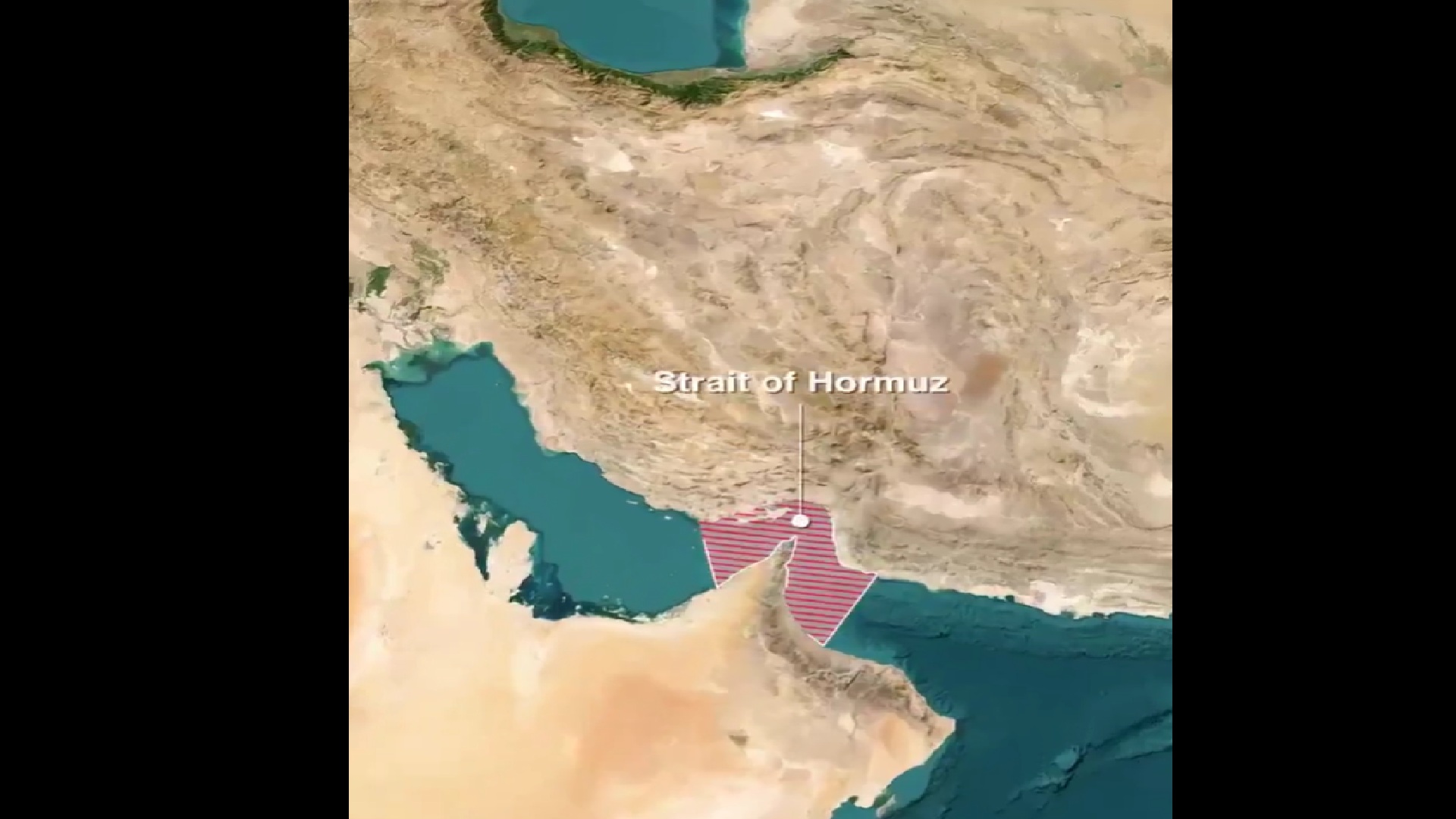
WASHINGTON — United States defence leadership announced plans to sustain a long-term Iran naval blockade indefinitely. Consequently, Washington aims to intensify economic pressure on Tehran as diplomatic ceasefire negotiations remain completely stalled.
Furthermore, growing maritime disruptions in the Middle East continue to squeeze global energy supplies. US Defense Secretary Pete Hegseth confirmed this strategic posture during an official diplomatic visit to Panama. Specifically, Hegseth stated that the US Navy possesses sufficient maritime resources to maintain warship rotations continuously.
Therefore, American forces can enforce the coastal barrier for as long as necessary. This firm policy signal highlights Washington’s resolve to restrict Iranian foreign currency earnings from commercial oil sales.
Meanwhile, international trade analysts warn that prolonged maritime restrictions threaten global energy stability. The ongoing Iran naval blockade targets Iranian shipping routes and port operations along key coastal corridors. Although Washington temporarily eased naval restrictions in June, officials reinstated the operation following failed diplomatic talks.
Escalating Attacks in the Strait of Hormuz Disrupt Global Energy Transit
Maritime security worsened significantly on Thursday following fresh armed strikes inside the strategic Strait of Hormuz. Specifically, two commercial oil tankers operated by the Abu Dhabi National Oil Company faced sudden drone attacks.
Consequently, United Arab Emirates authorities strongly condemned the maritime assault as an unlawful threat to navigation freedom. Local officials attributed the attack directly to regional Iranian-backed military units.
Furthermore, this dangerous incident marks another escalation along the world’s most critical energy transit corridor. Historically, roughly twenty percent of global petroleum and liquefied natural gas shipments passed through Hormuz daily.
However, active combat operations and ship interceptions have reduced commercial transit volumes dramatically. Iranian political leaders maintain that the waterway will remain closed until Western powers remove severe economic sanctions.
Conversely, US President Donald Trump publicly declared that American forces maintain total operational security over the passage. Therefore, opposing geopolitical demands prevent commercial shipping lines from resuming normal maritime operations safely.
Also Read : Mecca Joint Defence Agreement Tested: Houthi Drone Strikes Saudi Refinery
Comparative Impact of the Hormuz Maritime Crisis
| Strategic Energy Parameter | Pre-Conflict Baseline Metric | Current Operational Status |
| Global Maritime Oil Flow | ~20% of global seaborne petroleum | Severely reduced transit volumes |
| Global Supply Reduction | Estimated at 3.7 million barrels/day | Revised downward to 4.3 million barrels/day |
| US Military Stance | Routine regional maritime patrols | Indefinite warship blockade rotations |
| Commercial Shipping Status | Normal international transit | High insurance rates and detour routes |
Deepening Global Supply Deficits Alarm International Energy Agencies
As the Iran naval blockade persists, global energy regulators report worsening international oil supply shortfalls. Specifically, the International Energy Agency updated its annual production forecast downward this week.
The agency now projects global oil output to decline by 4.3 million barrels per day. Previously, energy analysts anticipated a smaller supply reduction of 3.7 million barrels per day.
Additionally, production losses are deepening rapidly as Middle Eastern geopolitical conflicts drag on indefinitely. For instance, recent drone strikes targeting Saudi Aramco refining facilities increased broader market volatility.
Although crude futures dipped briefly due to rising US inventory data, energy markets remain highly volatile. Economists warn that sustained high fuel costs will accelerate global inflation pressures significantly.
Furthermore, prolonged supply bottlenecks raise severe recession risks for major energy-importing economies across Asia and Europe. Consequently, international central banks face complex policy trade-offs between persistent inflation and slowing economic growth.
Long-Term Geopolitical Consequences of Prolonged Maritime Pressure
The enforcement of the Iran naval blockade represents a major shift in Western maritime containment strategies. Moreover, United States Treasury officials are preparing additional economic sanctions to isolate Iranian commercial banks further.
Treasury Secretary Scott Bessent indicated that incoming financial measures will achieve unprecedented economic scale. Therefore, Washington combines military pressure at sea with comprehensive financial sanctions against foreign trade partners.
However, Iranian officials reject Western demands and insist on full financial sovereignty before lifting maritime restrictions. Meanwhile, global shipping companies are rerouting cargo vessels around longer African maritime routes.
Consequently, higher freight rates and skyrocketing marine insurance premiums continue pushing consumer prices upward globally. International trade organizations urge both sides to establish safe transit corridors for neutral commercial vessels.
Nevertheless, without a verified diplomatic breakthrough, the Iran naval blockade will shape global energy trade indefinitely. Thus, international markets must adjust to prolonged supply disruptions and elevated geopolitical risks.
Core Takeaways of the Hormuz Standoff
- Indefinite Naval Blockade: US Defense Secretary Pete Hegseth confirms warship rotations can sustain coastal restrictions long-term.
- Commercial Tanker Attacks: Recent drone strikes on ADNOC vessels in Hormuz escalate regional maritime risks.
- Deepening Supply Cuts: IEA raises global oil supply loss estimate to 4.3 million barrels per day.
Economic Inflation Risks: Prolonged trade disruptions threaten higher shipping costs and global recession risks.