
City falls and mass atrocities begin in Sudan
On 26 October 2025, the Rapid Support Forces (RSF) entered El Fasher in Sudan, the last major government-held city in Darfur. The siege had lasted about 18 months and the RSF claim to have taken over the military headquarters.
In the days following the capture, multiple sources report mass killings of civilians, including summary executions, looting, and ethnic-targeted violence. According to a UN press release, reports indicate that the RSF are committing atrocious crimes including forced displacement and summary executions.
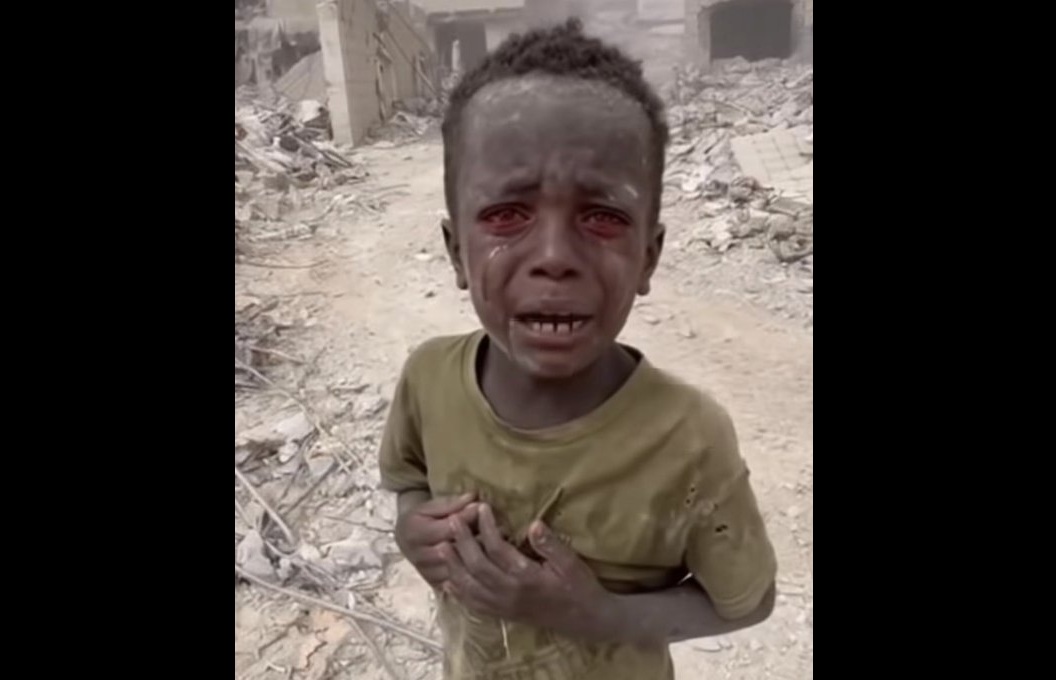
The humanitarian situation has rapidly deteriorated. Thousands of people remain missing. Displaced survivors recount being hunted, humiliated and killed once the RSF took control.
Though full control of the city by the RSF has not been independently verified in every sector, the captured areas and the nature of reported violence indicate a turning point in the Darfur conflict.
Evidence of ethnic cleansing and civilian massacres
Reports from human rights organisations highlight a consistent pattern of violence aimed at non-Arab, indigenous communities in Darfur. The Yale Humanitarian Research Lab analysed satellite imagery and found clusters of bodies and red discoloration consistent with mass graves and execution sites.
Aid agencies say hospitals in El Fasher were attacked. One credible estimate puts at least 460 people killed at a maternity hospital alone. Other reports speak of summary executions of civilians found fleeing along escape routes, and of dozens of children, women and elderly among the victims.
The International Federation for Human Rights states that the events amount to “mass atrocities, ethnic cleansing, and crimes against humanity”.
International reactions and calls for action
In Geneva, the Office of the High Commissioner for Human Rights (OHCHR) issued a statement demanding investigations into the RSF’s conduct and immediate steps to protect civilians. Meanwhile, the UN warns that the war in Sudan has created one of the world’s worst humanitarian crises with more than 14 million people displaced.
Analysts link the RSF’s acquisition of El Fasher and control of Darfur to a potential de facto partition of Sudan. There are also allegations that arms supplied via the United Arab Emirates and other foreign states have strengthened the RSF’s capacity to commit the atrocities.
Aid organisations insist that urgent action is needed: opening escape corridors, ensuring humanitarian access, and enforcing arms embargoes.
What next for Darfur and Sudan
With El Fasher under RSF control, civilians remain trapped in hostile conditions. Humanitarian agencies report extremely high levels of malnutrition among children and widespread sexual violence across shelters.
Whether these acts will be legally classified as genocide depends on evidence of intent to destroy, in whole or in part, a protected group. So far the evidence of “systematic and intentional process of ethnic cleansing” gives credible grounds for investigation.
The international community is now under pressure to respond decisively. Without action, observers warn the violence may spread further and set a new precedent of impunity in Sudan.
Additional Key Facts
- The fall of El Fasher followed months of siege and isolation of the city’s 260,000 residents.
- Between 26 and 29 October, more than 60,000 people fled El Fasher according to the UN.
- Drone strikes and artillery attacks on hospitals, displacement camps and mosques in Darfur have killed dozens of civilians in recent weeks.
Why the term “Genocide” is being used
Several elements of the legal definition of genocide appear to be present:
- Targeting of specific non-Arab ethnic groups (Fur, Zaghawa, Berti) by RSF fighters.
- Evidence of systematic pattern: house-to-house raids, mass graves, recorded videos of executions.
- Mass displacement and destruction of property of targeted groups which can align with the intent to destroy a group in part.
Though official genocide declarations require judicial processes (such as at the International Criminal Court), human rights experts argue that the evidence from El Fasher warrants urgent investigation and strong protective action.