
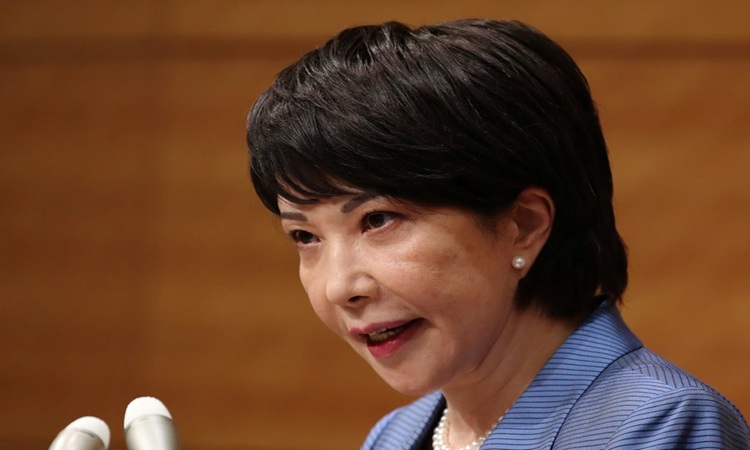
Takaichi Makes History as Japan’s First Woman Prime Minister
Japan’s parliament has elected Sanae Takaichi as the country’s first female prime minister, marking a historic yet controversial shift in national politics. The ultraconservative leader was chosen on Tuesday, a day after her struggling Liberal Democratic Party (LDP) struck a coalition deal with the Japan Innovation Party (Ishin no Kai), a right-wing force expected to push the government further to the political right.
Takaichi succeeds Shigeru Ishiba, who stepped down with his Cabinet earlier in the day after the LDP’s disastrous election loss in July. His one-year tenure was marred by public frustration over economic stagnation and political scandals. The vote ended a three-month leadership vacuum, restoring government function but raising questions about Japan’s political direction.
At 64, Takaichi represents a blend of nationalist ideology and economic conservatism, traits that resonate with the LDP’s traditional voter base but divide public opinion.
A Coalition Shift to the Right
The LDP’s sudden alliance with the Osaka-based Japan Innovation Party was crucial to securing Takaichi’s victory. Although the opposition remains fragmented, her coalition still lacks a clear majority in both houses of parliament. This shortfall could make it difficult for her government to pass key legislation, potentially rendering it unstable and short-lived.
During Monday’s coalition signing ceremony, Takaichi emphasized the need for political stability, calling it “essential for building a strong economy and effective diplomacy.” The coalition agreement underlines shared goals such as tougher national defense policies, economic reform, and a harder line on regional security issues.
The deal was struck just weeks after the LDP’s breakup with its longtime centrist partner, Komeito, a Buddhist-backed party known for its dovish stance. Komeito’s exit shattered a decades-old alliance that had kept the LDP in near-constant power since the postwar era.
Cabinet Backed by Party Heavyweights
Later in the day, Takaichi is expected to unveil a Cabinet stacked with LDP veterans and allies of Taro Aso, one of the party’s most influential figures. While the Japan Innovation Party will not immediately hold ministerial posts, its leader Hirofumi Yoshimura, also the Osaka governor, said cooperation would deepen once mutual trust was established.
Takaichi’s early days in office are already packed. She faces a major policy address, talks with US President Donald Trump, and upcoming regional summits. Moreover, she must quickly present an economic stimulus plan by December to tackle Japan’s rising prices and sluggish growth.
Despite her historic election as the first female leader, Takaichi has made it clear that gender equality will not be her top priority. She has previously resisted measures supporting women’s representation in politics, opposed same-sex marriage, and rejected proposals for allowing separate surnames for married couples.
Takaichi’s Ideological Roots and Policy Outlook
A protégé of assassinated former Prime Minister Shinzo Abe, Takaichi is expected to continue his “Abenomics” economic policies and push for a revision of Japan’s pacifist constitution to strengthen the Self-Defense Forces. Her stance appeals to nationalists who believe Japan should play a more assertive role in global security.
However, critics argue that her ideological rigidity may deepen political polarization. When Komeito left the coalition, it cited the LDP’s failure to address slush fund scandals and public distrust. The centrist party also expressed unease about Takaichi’s revisionist views on Japan’s wartime history and her regular visits to Yasukuni Shrine, which honors war dead, including convicted war criminals.
Beijing and Seoul have long protested such visits, seeing them as a lack of remorse for Japan’s wartime aggression. In an apparent effort to soften her image, Takaichi refrained from visiting the shrine last week, sending only a religious ornament instead.
Challenges Ahead for Japan’s New Leader
Takaichi’s biggest test will be to revive Japan’s economy while navigating a divided parliament. Her coalition’s lack of an outright majority could force her to negotiate with smaller opposition parties to pass budget and defense bills.
Domestically, she must address rising living costs, an aging population, and a shrinking workforce. Internationally, she faces the challenge of maintaining strong US ties while managing strained relations with China and South Korea.
Political analysts say her success will depend on her ability to balance ideological conviction with pragmatic governance. For now, Takaichi’s leadership symbolizes both a historic breakthrough for women in Japanese politics and a potential hard turn in Japan’s policy trajectory.