
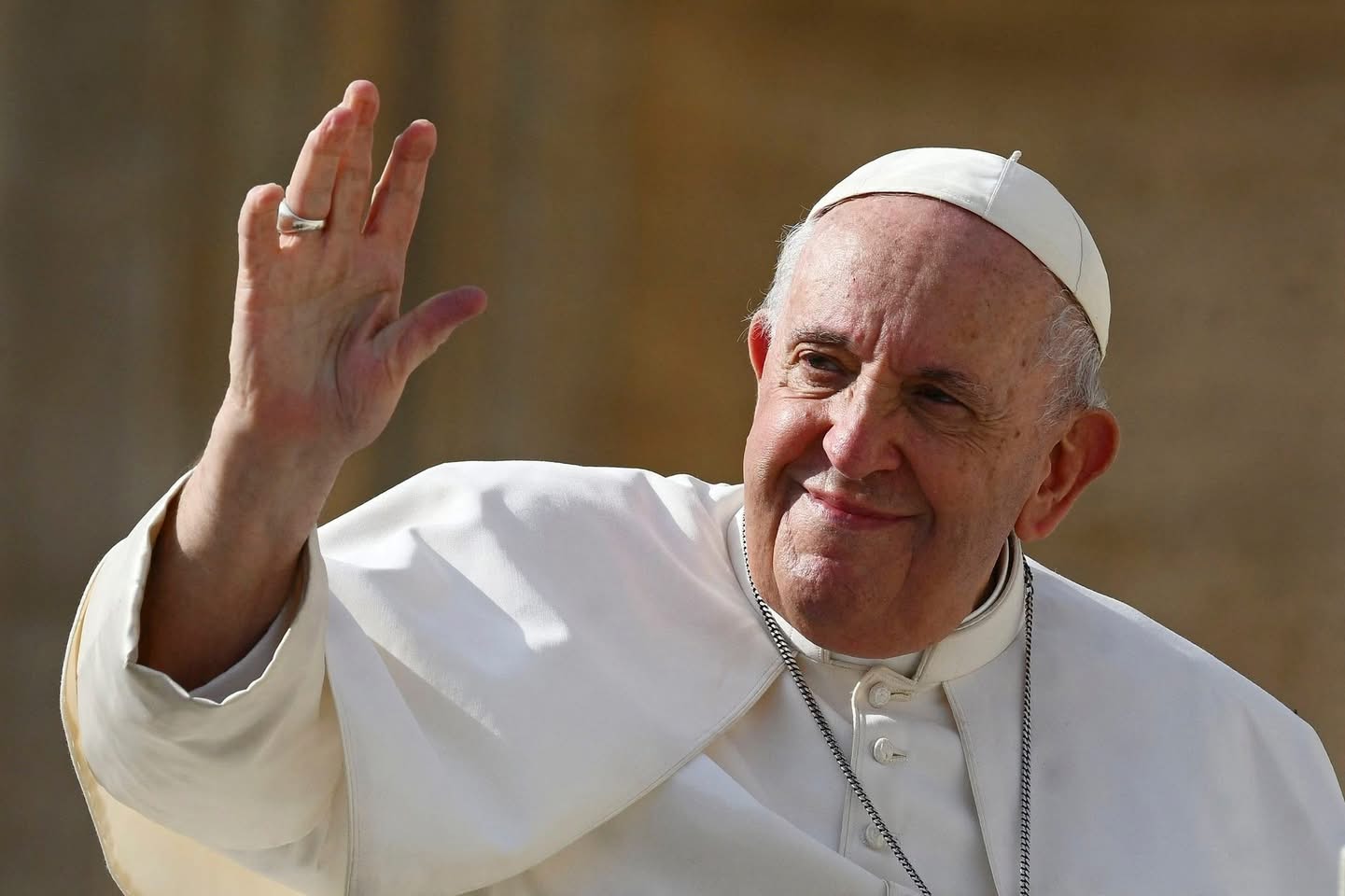
Pope Francis Dies at 88: Vatican Rituals, Funeral Plans, and What Happens Next
Vatican City, April 21, 2025 — Pope Francis, the 266th Pope of the Roman Catholic Church and a beloved global figure, passed away on Monday at the age of 88. His death marks the end of a transformative papacy that lasted over a decade and served 1.4 billion Catholics worldwide.
As the first pope from Latin America and a fierce advocate for humility, interfaith dialogue, and Church reform, Francis guided the Church through an era of change and compassion. His health had been deteriorating in recent months, with the Vatican confirming he suffered two episodes of acute respiratory failure in March and was hospitalized for over two weeks.
Final Days of Pope Francis
Despite his frailty, the Pope made a final public appearance on Easter Sunday, April 20, and even met with US Vice President JD Vance. However, his health worsened quickly. By February 14, he was on non-invasive ventilation due to double pneumonia, and his condition remained critical through March.
The Vatican confirmed his death in the early hours of Monday, setting in motion a series of centuries-old rituals and procedures that now guide the Church through mourning and transition.
Vatican Traditions Begin: Confirmation and Ceremonial Preparations
Shortly after the Pope’s passing, Vatican officials initiated the initial verification process, led by Camerlengo Cardinal Kevin Joseph Farrell, who is entrusted with confirming the death and managing early funeral preparations.
Pope Francis’s body will be placed in a zinc-lined wooden coffin, dressed in white cassock and red vestments, in line with tradition. The Fisherman’s Ring, symbolic of the Pope’s authority, will be ceremonially broken, signaling the official end of his papacy.
Mourning Period and Public Tribute
The Vatican will enter a nine-day mourning period, or Novendiale, during which memorial services will be held in his honor. Italy is also expected to announce a national day of mourning.
The Pope’s body will be moved in procession to St. Peter’s Basilica, where it will lie in state, allowing thousands of mourners, including global dignitaries, to pay their respects. In accordance with his wish for simplicity, Pope Francis will not be placed on a raised platform, diverging from past traditions.
Funeral and Final Resting Place
Pope Francis’s funeral is expected within 4–6 days of his passing and will be followed by additional services. He is expected to be buried in a single wooden coffin lined with zinc, rather than the traditional three nested coffins.
A white silk cloth will be placed on his face before sealing the coffin—a custom dating back centuries. Alongside his remains will be a rogito, a document detailing his life and achievements, and a bag of coins minted during his papacy.
As per his personal wishes, Pope Francis will be buried at the Basilica of St Mary Major, where he frequently prayed in private.
Sede Vacante and the Conclave
With the Pope’s passing, the Vatican enters a phase known as sede vacante, meaning “the seat is vacant.” During this transitional period, the College of Cardinals will manage routine Church affairs but refrain from major decisions.
The process of electing a new pope—the papal conclave—is expected to begin 15 to 20 days after the funeral. The conclave will be held in the Sistine Chapel, where up to 120 cardinals under the age of 80 will vote in secrecy.
Though Cardinal Giovanni Battista Re, the Dean of the College of Cardinals, will oversee preparations, he is ineligible to vote due to age. A younger senior cardinal will likely preside over the voting process.
The conclave involves multiple rounds of balloting, and white smoke from the chapel chimney will signal the election of a new pope. Upon receiving a two-thirds majority, the elected cardinal will choose a papal name, marking the beginning of a new spiritual chapter for the Church.
Global Impact and Reflections
Pope Francis’s death marks the end of a historic and deeply personal papacy. Known for his progressive views, climate advocacy, and efforts to modernize the Catholic Church, he leaves behind a complex yet impactful legacy.
His humility, notably reflected in his preference for simple garments, modest living quarters, and his choice to forgo elaborate funeral arrangements, endeared him to millions. In a world fraught with division, Pope Francis stood as a beacon of peace, dialogue, and compassion.
Final Thoughts
The death of Pope Francis signifies a moment of deep sorrow, spiritual reflection, and significant transition for the global Catholic community. As the Vatican navigates sacred traditions, the world now watches with reverence and anticipation for the next leader to step forward and guide the Church into a new era.
Stay tuned for official announcements from the Holy See as arrangements for the funeral of Pope Francis and the upcoming papal conclave continue to unfold.