
India’s Water Release Sparks Mass Evacuations in Pakistan
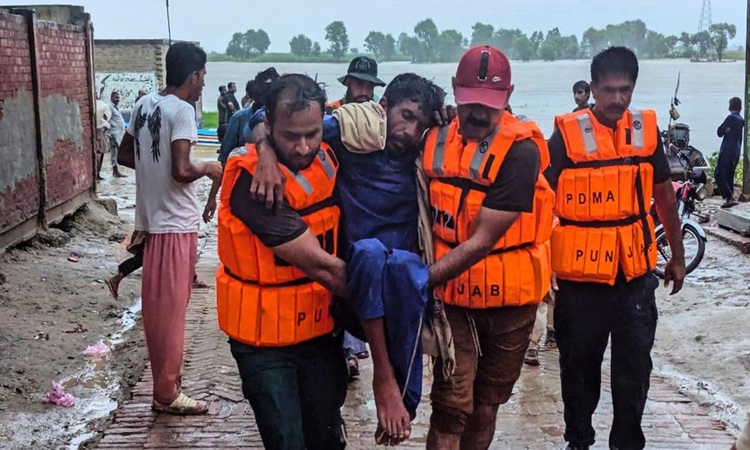
Lahore: Pakistan has evacuated tens of thousands of residents from flood-prone districts after India released water from overflowing dams and swollen rivers into low-lying border regions. Officials confirmed on Tuesday that precautionary evacuations are underway across Punjab as authorities brace for potential flooding.
New Delhi had alerted Islamabad a day earlier about possible cross-border flooding, marking the first direct diplomatic communication between the two nuclear-armed neighbors in months. The warning gave Pakistani officials crucial time to initiate rescue operations and shift families to safer locations.
Thousands Moved to Safety in Punjab
Pakistan’s National Disaster Management Authority (NDMA) reported that over 14,000 people were evacuated from Kasur district, while nearly 89,000 residents from Bahawalnagar were relocated to safer areas near the Indian border.
In its statement, the NDMA urged residents to avoid unnecessary travel and stay away from rivers and streams. The authority said warnings are being issued through mobile alerts, media broadcasts, and its disaster alert app to reach vulnerable communities.
This large-scale evacuation comes as heavy monsoon rains continue to lash both India and Pakistan, overwhelming river systems and raising fears of fresh flooding across South Asia.
Heavy Rains Intensify Crisis Across the Region
Pakistan has already been battered by torrential rains this monsoon season. Since June 26, more than 800 people have died nationwide due to flooding and rain-related disasters. In northwest Pakistan’s Buner district, over 300 people were killed earlier this month after a sudden cloudburst triggered flash floods.
Across the border, the situation remains equally dire. In Indian-administered Jammu and Kashmir, at least 65 people have died, while hundreds have been displaced as muddy waters inundated homes and damaged vital infrastructure. Indian officials noted that many rivers and tributaries, which flow downstream into Pakistan, are running above danger levels.
According to the Indian Meteorological Department, heavy rains are expected to persist through late Tuesday, raising concerns of worsening conditions in both countries.
Treaty Dispute Adds Diplomatic Tensions
The water release comes against the backdrop of strained India-Pakistan ties. Traditionally, flood-related alerts are coordinated under the Indus Waters Treaty, a World Bank-brokered agreement signed in 1960. However, New Delhi suspended this permanent mechanism earlier this year after the killing of 26 tourists in Indian-controlled Kashmir.
The decision has complicated water-sharing communications. While India conveyed this week’s warning through diplomatic channels, Islamabad insists the treaty remains binding and cannot be scrapped unilaterally.
The treaty had previously withstood two wars and numerous skirmishes between the countries. Its suspension, coupled with the recent scaling down of diplomatic ties, has heightened mistrust. Earlier this year, tit-for-tat missile strikes escalated tensions until a ceasefire was announced by US President Donald Trump.
Climate Change Behind Deadlier Monsoons
Meteorologists and climate scientists have linked the intensifying rainfall patterns to climate change, which is making South Asia’s monsoon season increasingly unpredictable.
In 2022, record-breaking floods submerged a third of Pakistan, killing more than 1,700 people and causing billions in economic losses. Experts warn that similar risks persist today as extreme weather events become more frequent.
With Pakistan’s annual monsoon season running from July through September, authorities remain on high alert. Disaster management teams continue rescue efforts in Punjab while urging citizens to stay informed through official advisories.