
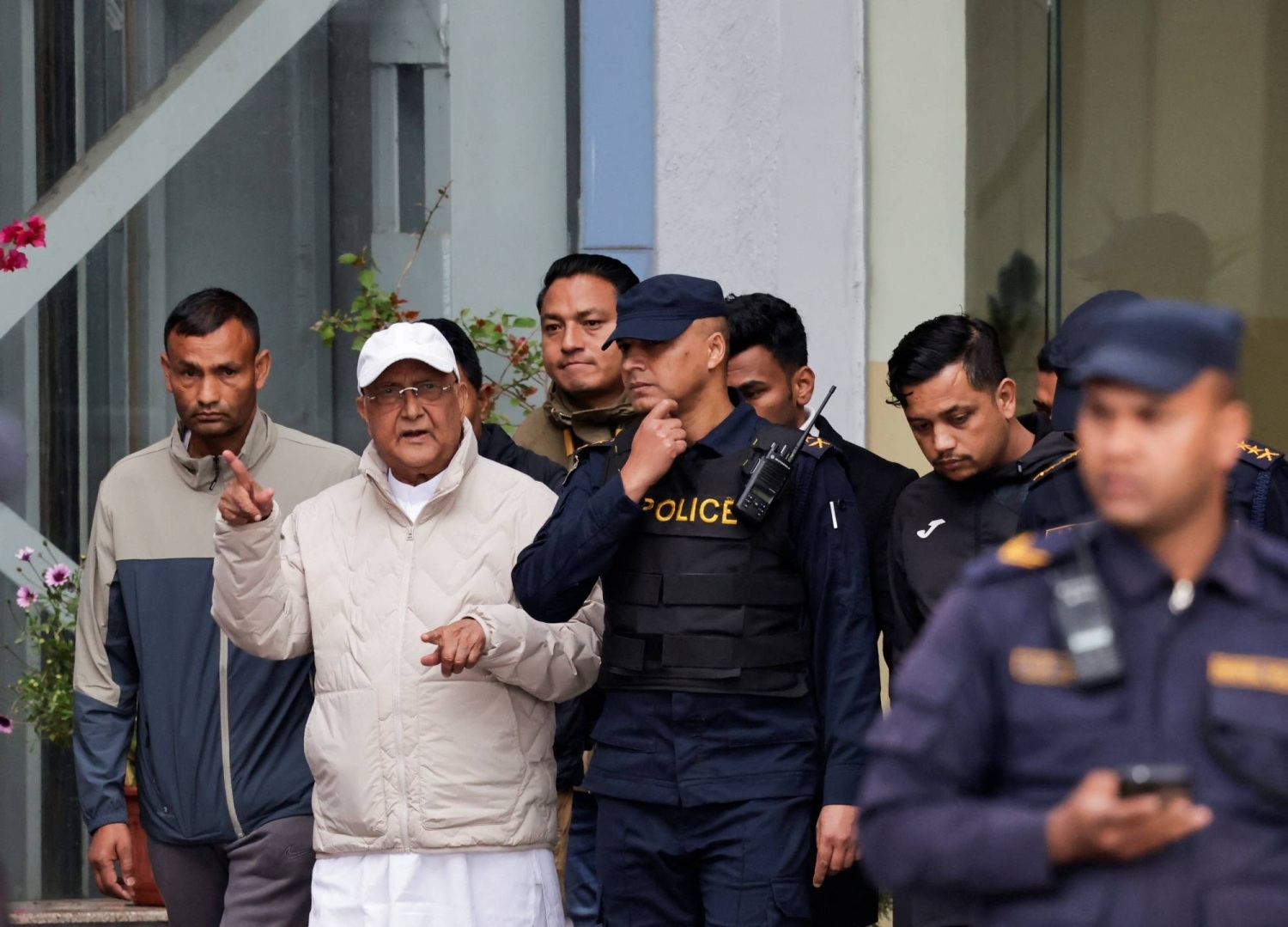
KATHMANDU — In a dramatic escalation of legal accountability, Nepal police arrested former Prime Minister KP Sharma Oli arrested today morning. The arrest took place at his residence in Gundu, Bhaktapur, just one day after Balen Shah took the oath of office as the nation’s 47th Prime Minister. Authorities have linked the CPN-UML chairman to the violent suppression of the “Gen Z” protests in September 2025. This uprising resulted in the deaths of at least 77 people and eventually toppled Oli’s previous administration.
Police also detained former Home Minister Ramesh Lekhak in a coordinated pre-dawn raid at his home in Suryabinayak. According to Kathmandu Valley police spokesperson Om Adhikari, both leaders are being processed under the law for “criminal negligence” and culpable homicide. These high-profile arrests follow the direct implementation of the Karki Commission report. This commission investigated the state’s response to the youth-led movement that paralyzed the country last year.
The Karki Commission Findings and Legal Basis
The government-backed report, led by former judge Gauri Bahadur Karki, provided the primary evidence for today’s action. While the report did not find a formal “order to shoot,” it concluded that the leadership showed gross negligence. Specifically, officials failed to control the firing by security forces, which led to the deaths of several minors and unarmed students. The commission recommended charging the executive heads under Sections 181 and 182 of the National Penal Code.
Newly appointed Home Minister Sudan Gurung, a central figure of the original Gen Z protests, confirmed the move on social media. He stated that “no one is above the law” and described the arrests as the “beginning of justice” rather than political revenge. Gurung’s appointment to the Home Ministry was a strategic move by Prime Minister Balen Shah to ensure the fulfillment of campaign promises regarding accountability for the 2025 martyrs.
Political Earthquake: Balen Shah’s First Major Act
The timing of the arrests sends a clear message about the new government’s direction. Prime Minister Balen Shah won a historic landslide in the March 5 elections, securing 182 seats for his Rastriya Swatantra Party (RSP). During his first Cabinet meeting on Friday, Shah prioritized the implementation of the Karki Commission’s recommendations. This move effectively dismantles the long-standing “culture of impunity” that has historically protected Nepal’s senior political class.
The international community is watching these developments closely. While supporters of the CPN-UML and Nepali Congress have condemned the arrests as “one-sided action,” the general public sentiment appears to favor the pursuit of justice. The Gen Z movement began over a social media ban but quickly evolved into a nationwide demand for better governance. Today’s arrests mark the most significant legal challenge faced by a former chief executive in Nepal’s democratic history.
Security Tightens Across Kathmandu Valley
Following the news of the detentions, security has been significantly beefed up across the capital. Police have set up checkpoints near party headquarters to prevent potential retaliatory protests. However, the city remains relatively calm as many citizens view the arrests as a necessary step toward national healing. The legal process is expected to move quickly, with investigators looking into the roles of other top-tier officials and security chiefs named in the report.
As the 35-year-old Prime Minister Balen Shah begins his tenure, the arrest of his predecessor defines a sharp break from the past. The nation now looks forward to the formal court proceedings, which will test the strength of Nepal’s judicial independence. For the families of those who died in September 2025, these arrests provide the first real hope that those at the top will finally be held responsible for the actions of the state.