
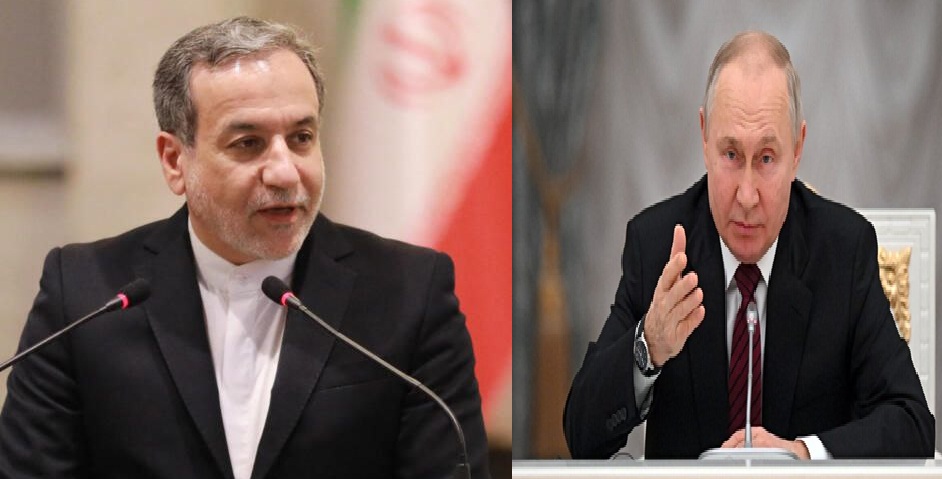
Iran FM to Meet Putin as Medvedev Warns of Nuclear Arms Support Post–US Strikes
Iran Deepens Bond with Moscow as U.S. Targets Nuclear Sites
Iran’s Foreign Minister has embarked on a high-stakes diplomatic mission to Moscow following aggressive U.S. airstrikes on its nuclear installations. The move underscores a strategic pivot towards Russia as Tehran seeks both solidarity and defense in a hostile environment.
2. The enrichment of nuclear material — and, now we can say it outright, the future production of nuclear weapons — will continue.
3. A number of countries are ready to directly supply Iran with their own nuclear warheads.— Dmitry Medvedev (@MedvedevRussiaE) June 22, 2025
Iran FM to Meet Putin in Urgent Talks
Abbas Araghchi announced his departure to Moscow this afternoon, with scheduled consultations with President Vladimir Putin on critical tensions sparked by U.S. strikes targeting Iran’s Fordow, Natanz, and Isfahan nuclear sites Describing Tehran and Moscow as “strategic partners,” Araghchi emphasized coordinated diplomacy to address U.S. actions perceived as a “very big red line” crossing international norms
Medvedev Warns of Nuclear Backing
Meanwhile, former Russian President and current Security Council Deputy Chairman Dmitry Medvedev criticized the strikes and warned of unintended consequences. In a pointed post, he noted that the nuclear sites remain largely operational despite the attacks, and warned that the raids might actually strengthen Iran’s nuclear resolve
Medvedev also issued a startling assertion: multiple nations could be “ready to supply Iran with nuclear weapons” in the wake of these strikes, signaling a potential proliferation event
Global Crisis and Nuclear Escalation Risk
This diplomatic and rhetorical escalation adds fuel to an already volatile geopolitical environment. Analysts widely view Iran’s pivot to Russia as an effort to secure military and political backing, while the nuclear rhetoric raises international alarm.
- Strategic alarm: Medvedev’s warning about nuclear armament suggests a possible shift in risk calculations by multiple nations .
- Resilience of Iran’s program: U.S. military officials claimed significant damage to Iran’s underground facilities; Russian analysts dispute this, asserting Iran’s nuclear fuel cycle stands intact .
- Regional impact: With Iran repositioning itself and the U.S. drawing sharper lines, the Middle East enters a tank—the risk of wider conflict escalates.
Moscow’s Calculated Counter-Narrative
The Kremlin has publicly condemned the U.S. strikes as a “gross violation of international law,” reinforcing its readiness to stand by Tehran . Russia’s approach blends assertive diplomacy, media strategy, and potential military signaling—highlighting Moscow’s evolving role as a key regional stakeholder.
What Lies Ahead
- Talks in Moscow
The outcome of Araghchi’s meeting with Putin could shape Tehran’s next steps—ultimately determining Iran’s geopolitical alignment.
- Nuclear Risk
If Medvedev’s claims hold weight, the risk of covert nuclear armament or proliferation may rise sharply, renewing global non-proliferation concerns.
- Strategic Recalibration
The U.S. involvement marks a new chapter in the Iran–Israel–America nexus. With increased Russian backing, Iran may feel emboldened to resist rather than negotiate.