
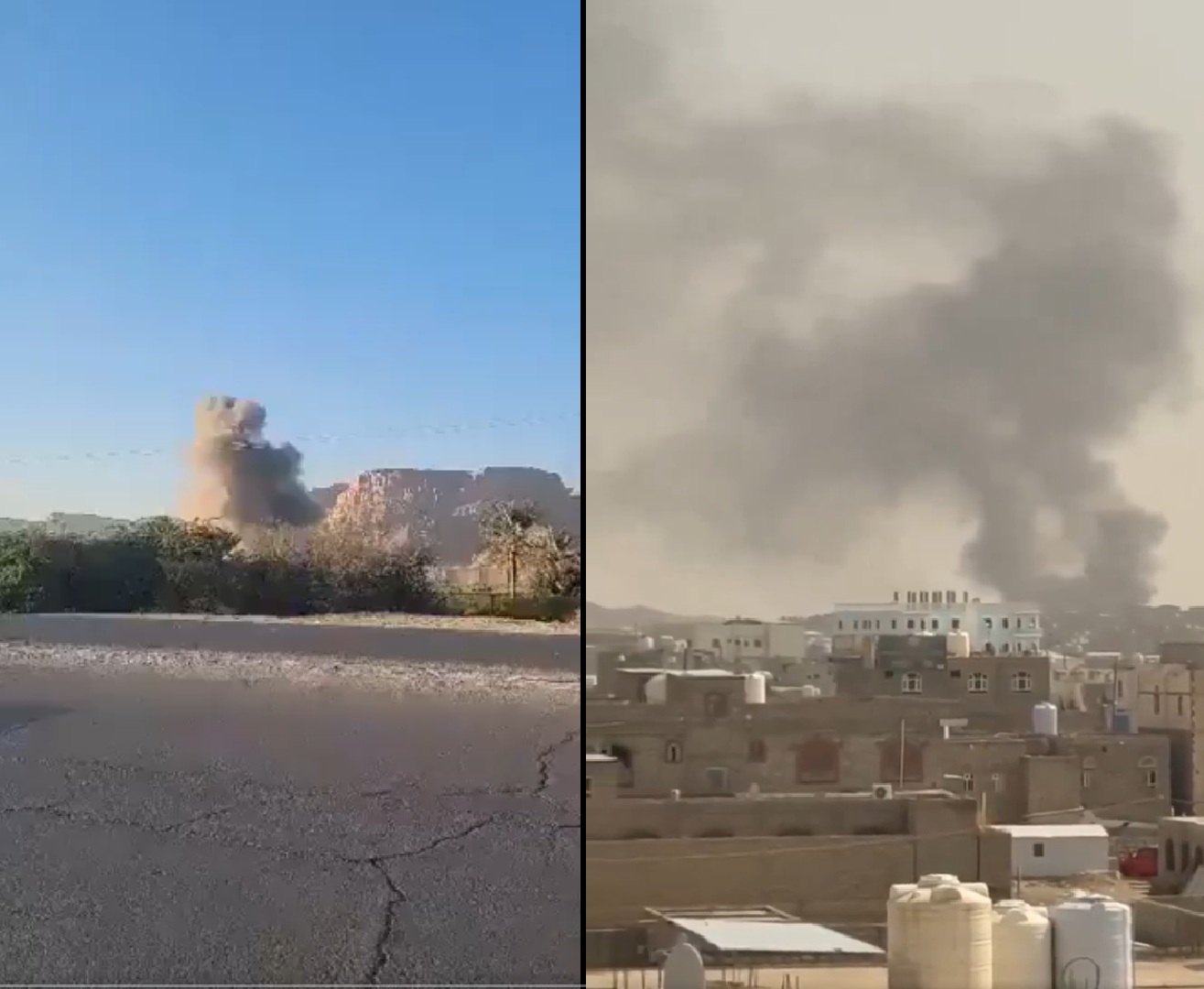
Recently, security conditions across the Middle East worsened following a major cross-border military escalation.
Specifically, a coordinated Houthi attack on Saudi Arabia struck civilian areas in the southern Najran province.
Consequently, military authorities reported that eleven civilians sustained injuries during the indiscriminate shelling.
In fact, victims included a four-year-old child who suffered severe physical burns.
Furthermore, the missile barrage coincided with simultaneous offensive operations inside neighboring Yemeni provinces.
These coordinated strikes killed dozens of government troops in Marib and Hadhramaut.
Therefore, regional defense officials view this assault as a direct breach of humanitarian law.
Moreover, the unexpected barrage shatters the fragile peace following months of relative calm.
Additionally, the strikes underscore growing security risks across the strategic Arabian Peninsula.
As a result, international observers fear a return to full-scale regional confrontation.
| Incident Parameter | Official Details and Impact Summary |
| Primary Incident | Cross-border missile and drone shelling by Houthi forces |
| Primary Location | Najran Province, Southern Saudi Arabia |
| Civilian Casualties | 11 injured (7 Saudis, 1 Yemeni, 2 Egyptians, 1 Pakistani) |
| Coordinated Yemeni Strikes | Military bases targeted in Marib and Hadhramaut |
| Regional Maritime Impact | Disruption to Red Sea shipping routes and oil tankers |
Also Read : Nirmal Purja Mortal Remains Flown for Last Rites After Tragic Broad Peak Avalanche
Devastating Civilian Impact and Military Strikes in Southern Regions
The latest Houthi attack on Saudi Arabia targeted populated residential zones along the border.
Specifically, explosive projectiles landed in civilian neighborhoods, damaging private residential homes and commercial vehicles.
Medical personnel rushed to treat injured residents across local emergency facilities in Najran.
Additionally, Saudi military spokesman Major General Turki Al-Malki strongly condemned the deliberate civilian targeting.
He stated that indiscriminate shelling against non-combatants represents a flagrant war crime.
Furthermore, military sources revealed that Houthi militants utilized advanced ballistic missiles and attack drones.
These aerial weapons were provided by Iran’s Islamic Revolutionary Guard Corps to proxy forces.
Meanwhile, Houthi military spokesmen claimed responsibility for targeting government troops and infrastructure.
In fact, rebel forces launched heavy artillery against military camps in Marib.
Consequently, government casualties mounted rapidly as ammunition depots exploded during the intense bombardment.
Therefore, local commanders described the assault as the deadliest encounter in recent months.
However, coalition air defense systems successfully intercepted several secondary incoming projectiles.
Nevertheless, shrapnel from destroyed drones caused additional localized property damage across border villages.
Moreover, local authorities deployed extra emergency teams to secure affected residential areas.
Indeed, civilian anxiety remains exceptionally high as border patrols maintain elevated defense readiness.
Escalating Red Sea Maritime Risks and Energy Security Threats
Beyond land borders, this Houthi attack on Saudi Arabia connects directly to broader maritime tensions.
Recently, rebel forces increased missile launches toward commercial crude tankers traversing the Red Sea.
Consequently, global shipping companies have altered vital trade routes around the Bab Al-Mandeb Strait.
In fact, several international crude carriers reported aggressive drone maneuvers near key maritime channels.
Additionally, energy analysts warn that ongoing shipping disruptions could drive global fuel prices higher.
To counteract these threats, Saudi Arabia launched an international naval security initiative.
Specifically, the coalition appointed Major General Abdullah Al-Shehri to command joint Red Sea patrols.
Furthermore, defense forces aim to safeguard commercial shipping lanes from drone boat attacks.
However, Houthi leaders insist their maritime operations will persist despite Western naval presence.
They claim that economic pressure targets coalition naval blockades surrounding key Yemeni entry ports.
Moreover, security intelligence indicates that militia groups coordinate offensive strategies directly with Tehran.
Consequently, regional infrastructure sites remain under continuous threat of surprise aerial strikes.
Therefore, Gulf Cooperation Council officials urged immediate global action against Iran’s proxy networks.
In response, allied nations are deploying enhanced radar monitoring systems along critical coastlines.
Ultimately, protecting global energy supplies requires robust international maritime cooperation and immediate deterrence.
Regional Diplomatic Responses and Future Defense Strategies
In the aftermath of the Houthi attack on Saudi Arabia, diplomatic efforts accelerated across Gulf capitals.
Specifically, GCC Secretary General Jasem Al-Budaiwi denounced the assault as a heinous crime.
He reaffirmed that Saudi national security remains integral to overall Gulf stability.
Additionally, Pakistani Prime Minister Shehbaz Sharif arrived in the kingdom for emergency bilateral consultations.
Furthermore, Turkish President Recep Tayyip Erdogan scheduled meetings with Crown Prince Mohammed bin Salman.
These high-level meetings focus on expanding regional defense pacts and intelligence sharing.
Meanwhile, international intelligence reports warn of potential future attacks on critical infrastructure.
Consequently, defense forces are reinforcing ground positions along the southern border frontier.
In addition, military analysts advocate for deploying advanced anti-drone laser defense systems.
However, diplomatic experts stress that long-term regional stability requires comprehensive political agreements.
Indeed, neutralizing proxy threats remains vital for protecting innocent civilian lives across borders.
Restoring Stability Across Vulnerable Border Communities
Looking forward, state authorities are implementing comprehensive measures to protect vulnerable border communities.
Specifically, government agencies are installing reinforced blast shelters near public schools and hospitals.
Furthermore, civil defense teams conduct regular emergency evacuation drills across southern border towns.
Consequently, local residents receive immediate mobile alerts whenever airspace threat levels rise.
Moreover, humanitarian organizations are providing emergency financial assistance to injured civilian families.
In fact, medical specialists continue treating burn victims in specialized regional trauma centers.
Meanwhile, international diplomats press for renewed peace negotiations under United Nations oversight.
However, military readiness remains at maximum capacity to deter any secondary aggression.
Ultimately, resolving this prolonged conflict requires eliminating foreign proxy influence across the region.
As tensions persist, the latest Houthi attack on Saudi Arabia underscores the urgent need for decisive security action.