
FBI Director Kash Patel Posts Photo of Arrested Judge Amid Deportation Policy Clash
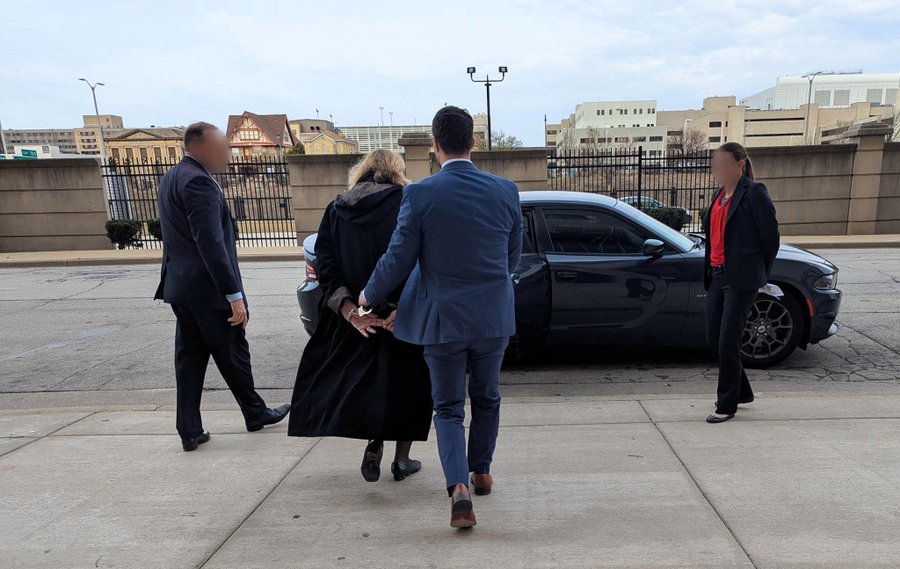
A recent social media post by FBI Director Kash Patel has ignited a political firestorm, following the arrest of Wisconsin Circuit Judge Hannah Dugan. Patel shared an image of Dugan in handcuffs, accompanied by the caption: “No one is above the law.” The post has drawn sharp criticism from Democratic leaders and raised questions about the politicization of law enforcement in the United States.
No one is above the law pic.twitter.com/TSrQ4GNMdA
— FBI Director Kash Patel (@FBIDirectorKash) April 26, 2025
The Arrest of Judge Hannah Dugan
Judge Dugan, 65, was arrested on Friday by federal agents on charges of obstructing justice. The arrest stems from allegations that she provided sanctuary to an undocumented migrant, potentially violating federal immigration laws. Dugan, a former president of the Milwaukee Bar Association and a former executive director for Catholic Charities USA in southeast Wisconsin, was elected to the Milwaukee County Circuit Court in 2016 and re-elected in 2022. Her current term is set to end in 2028.
The arrest has sparked protests in Wisconsin, with many Democratic leaders condemning the action as politically motivated. Critics argue that the arrest is part of a broader effort by the Trump administration to intimidate judges who oppose its hardline immigration policies.
Kash Patel’s Controversial Post
FBI Director Kash Patel’s decision to publicly share a photo of Judge Dugan’s arrest has added fuel to the controversy. The image, which shows Dugan being escorted by officials, was accompanied by the message: “No one is above the law.” The post has been criticized for potentially violating government policies regarding the release of defendant images and for appearing to politicize the actions of the federal agency.
Patel’s post has drawn rebukes from legal experts and civil liberties organizations, who argue that the FBI’s role should remain apolitical and that such public disclosures can undermine public trust in the agency.
Political Repercussions and Public Outcry
The arrest and subsequent social media post have intensified the ongoing clash between the White House and the judiciary over President Trump’s hardline deportation policies. Democratic leaders have accused the administration of using federal agencies to target political opponents and intimidate those who challenge its policies. Protests erupted in Wisconsin, with demonstrators calling for the immediate release of Judge Dugan and an end to what they perceive as politically motivated arrests.
In response to the arrest, several Democratic lawmakers have called for an investigation into the actions of the FBI and the Justice Department, alleging potential misconduct and abuse of power.
FBI Director Kash Patel’s Condolences for Pahalgam Attack
In a separate development, FBI Director Kash Patel offered condolences to the victims of the recent Pahalgam terror attack in Kashmir, India. In a post on X (formerly Twitter), Patel expressed the FBI’s “full support” for the Indian government and condemned the attack, which resulted in the deaths of 26 people, including 25 tourists and a local pony ride operator.
The FBI sends our condolences to all the victims of the recent terrorist attack in Kashmir — and will continue offering our full support to the Indian government.
This is a reminder of the constant threats our world faces from the evils of terrorism. Pray for those affected.…
— FBI Director Kash Patel (@FBIDirectorKash) April 26, 2025
Patel’s message highlighted the global threat of terrorism and reaffirmed the FBI’s commitment to international cooperation in combating such acts. The attack has drawn widespread condemnation from governments and organizations worldwide.
Conclusion
The arrest of Judge Hannah Dugan and the subsequent social media post by FBI Director Kash Patel have sparked a significant political controversy in the United States. The incident has raised important questions about the intersection of law enforcement and politics, the role of the judiciary, and the potential for abuse of power. As the situation develops, it will likely continue to be a focal point in the national debate over immigration policy and the independence of the judiciary.