
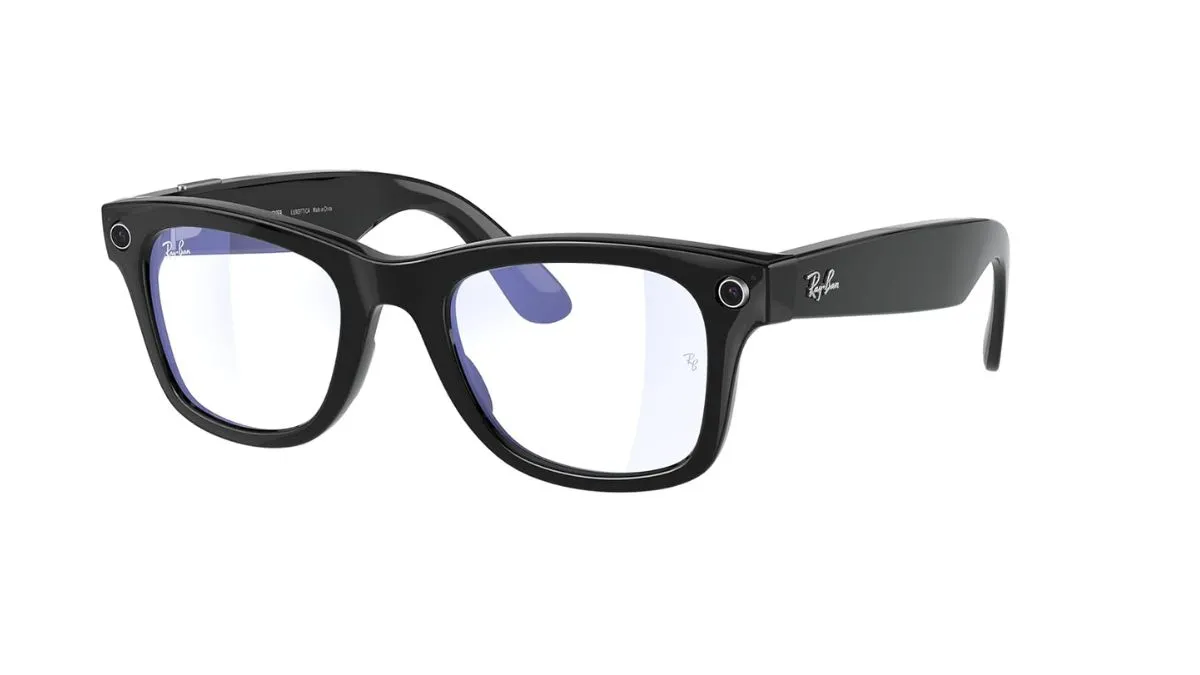
New Delhi: Meta is reportedly developing a new generation of smart glasses equipped with advanced “super-sensing” technology that could transform how users interact with artificial intelligence. The upcoming Meta AI Glasses are expected to go beyond traditional smart eyewear by continuously collecting audio and visual information to provide more personalised AI-powered assistance.
Unlike current smart glasses that capture images or record audio only when activated by users, the new technology could allow Meta’s AI system to understand a user’s surroundings, daily activities, and experiences in real time.
How Super-Sensing Technology Could Work
According to reports, Meta’s next-generation glasses are designed to function like an advanced AI companion capable of analysing snippets of images and sounds throughout the day. The AI assistant could potentially help users remember things they have seen, identify objects around them, or recall details from previous conversations.
The concept behind Meta AI Glasses is to create a system that understands context by using real-world information gathered through cameras and microphones. This could make interactions with AI more natural, allowing users to ask questions based on their personal experiences and surroundings.
Privacy Concerns Over Continuous Recording
The biggest challenge surrounding this technology is privacy. Current Ray-Ban Meta smart glasses include an LED indicator that alerts people when the camera is recording. However, reports suggest Meta is exploring ways to handle continuous “super-sensing” features, raising concerns about whether people nearby would know when they are being recorded.
Also read : Samsung Galaxy S27 Ultra Battery Upgrade Rumors Hint at Massive Power Boost
Existing Ray-Ban Meta Glasses May Receive AI Upgrades
Reports suggest that Meta may not limit these advanced capabilities to future hardware. Existing Ray-Ban Meta smart glasses could potentially receive some super-sensing features through software updates, depending on the capabilities of the current hardware.
If successful, this approach could allow existing users to access enhanced AI features without purchasing a completely new device. However, the final availability will depend on technical limitations and Meta’s approach to privacy management.
Meta Exploring Safer AI Data Processing Methods
To address privacy concerns, Meta is reportedly considering methods that reduce the need to store raw audio and video recordings. Instead of uploading complete recordings to cloud servers, the company may focus on processing information directly on the device and sharing only necessary metadata with AI systems.
This approach could help balance advanced AI functionality with improved data protection, making Meta AI Glasses more acceptable to users concerned about digital privacy.
Meta AI Glasses Could Shape the Future of Wearable Technology
Meta has already expanded its presence in AI-powered wearables through its partnership with Ray-Ban, bringing smart cameras, voice controls, and AI features to everyday eyewear. The development of Meta AI Glasses represents a larger push toward creating wearable AI assistants that can understand and respond to the world around users.
However, the success of these next-generation glasses will depend on more than just technological innovation. Meta will need to ensure that convenience and intelligence are balanced with transparency, user control, and strong privacy protections.