
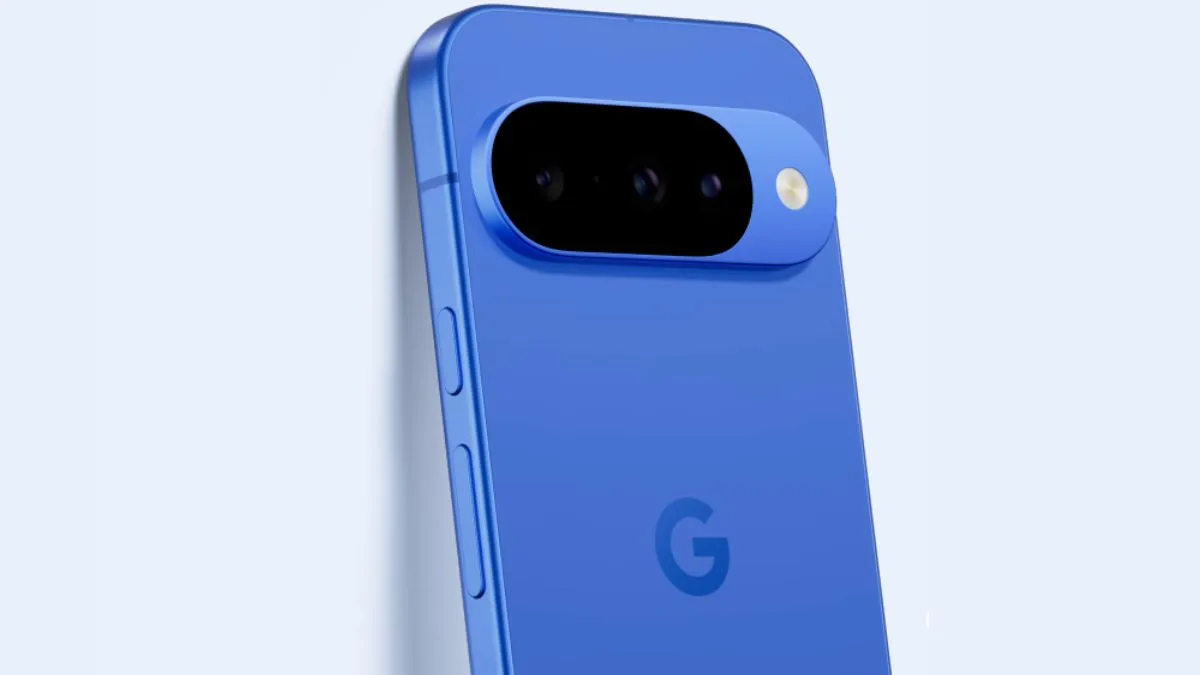
Google is reportedly working on a new advanced capability for its Pixel smartphones called the Audio Memory Feature, according to an APK teardown of the Android System Intelligence app. The feature is expected to debut with the upcoming Pixel 10 series, although it has not yet been officially announced.
Audio Memory Feature Spotted in Early Code
The upcoming Audio Memory Feature was discovered under the internal codename “blueflax” during an APK teardown. While still in development, code references suggest that Google is building a smarter audio-tracking system designed to enhance how users interact with sound on Pixel devices.
The Audio Memory Feature appears to expand beyond the existing “Now Playing” function by creating a complete audio history of a user’s daily interactions.
How the Audio Memory Feature Will Work
The Audio Memory Feature is designed to help users keep track of audio moments in everyday life. This includes identifying music playing in the environment, tracking songs streamed through apps, and compiling all audio interactions into a centralized timeline.
Unlike current systems, the Audio Memory Feature is expected to not only recognize nearby songs but also organize audio data from multiple sources, offering a more comprehensive listening history.
Also read : Samsung Galaxy S26 FE Tipped to Feature Exynos 2500 in Latest Geekbench Leak
Expansion of Pixel’s ‘Now Playing’ System
Google’s Pixel phones already use the “Now Playing” feature to detect songs playing nearby and display them on the lock screen. The new Audio Memory Feature is expected to significantly upgrade this capability by storing a broader range of audio information.
The Feature may also include spoken interactions, allowing users to revisit important audio moments from their day, while still giving control over which apps can access these capabilities.
Privacy-Focused Design of Audio Memory Feature
Privacy is expected to remain a key focus for the Feature. Most audio recognition is processed directly on-device using a local database. In cases where a song cannot be identified, only a short audio fingerprint—rather than raw audio—is sent to Google’s cloud for matching.
According to reports, conversations and background audio are not uploaded, reinforcing Google’s approach to privacy-first design in the Audio Memory Feature.
Early Development and Future Possibilities
Although early testing of the Feature has shown glimpses of onboarding screens, the feature is still under development and may change or even be canceled before release.
However, if launched, the Feature could redefine how Pixel users interact with sound by combining AI-driven recognition, contextual awareness, and privacy-focused processing.
The rumored Audio Memory Feature highlights Google’s continued push toward smarter, AI-powered smartphone experiences. If integrated into future Pixel devices, it could offer users a powerful new way to store, organize, and revisit audio moments from their daily lives.
Focus Keyword: