
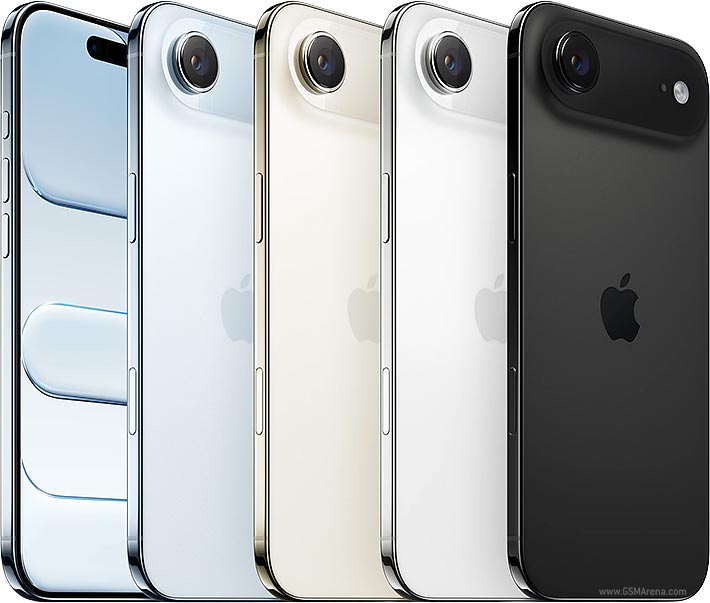
Apple reduces iPhone Air production amid low demand outside China, while boosting iPhone 17 and iPhone 17 Pro output.
According to Nikkei Asia, Apple has drastically cut back on iPhone Air production because to weak demand outside of China. With its September 2025 release with the iPhone 17 series, the iPhone Air was positioned as a strategic step for Apple, replacing the previous ‘Plus’ line and promising “pro performance in a thin and light design.”
Despite having a thin design and high-end features, the iPhone Air has failed to attract customers in other countries. Beginning in November, production orders are being lowered to “end of production” levels. The model was supposed to make up between 10 and 15 percent of the entire iPhone 17 manufacturing, but according to a number of supply chain sources, production will fall to less than 10 percent of volumes in September.
Also read: Realme GT 8 Pro Launched with Modular Camera, Ricoh Optics & Snapdragon 8 Gen 5
Apple is reinvesting in more popular gadgets. The production of the standard iPhone 17 has increased by about 5 million units, while the iPhone 17 Pro has seen a similar increase. Despite the market’s downturn and ongoing tariff concerns, the company’s overall production guidance for the iPhone 17 remains at 85–90 million units.
The issue is highlighted by the KeyBanc Capital Markets survey data, which shows that there is “essentially zero demand for iPhone Air, and modest willingness to pay for fold,” but other iPhone 17 models continue to have high demand. The iPhone 17 and iPhone 17 Pro will be shipped in two to three weeks, however the iPhone Air is still available on Apple’s website in every color.
China provides the Air with a much-needed bright spot. The phone sold out within minutes of its long-delayed launch last week, and online shipments were delayed by one to two weeks due to eSIM limits, according to the South China Morning Post.
Also read: OnePlus 15 Launch: 50MP Pro Camera, Snapdragon 8 Gen 5, & 7,300mAh Battery Unveiled
The lackluster reception of the iPhone Air is similar to Samsung’s experience with the Galaxy S25 Edge, which the company canceled in August after selling only 1.31 million units. The willingness of customers to forgo camera capabilities and battery life in favor of ultra-thin designs seems to have been miscalculated by both companies. According to analysts, Apple’s first foldable iPhone is anticipated in 2026, and the iPhone Air is a precursor to such device.