
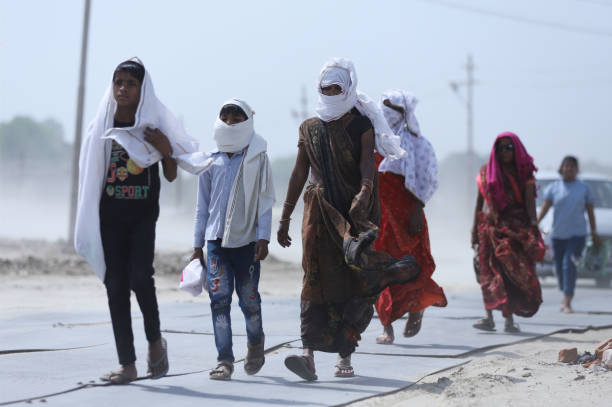
Punjab Health Department Issues Heatwave Advisory Amid Rising Temperatures
Chandigarh, April 8, 2025 — As the summer season intensifies, the Punjab Health and Family Welfare Department has issued a comprehensive advisory to safeguard residents against the impending heatwave. This initiative comes in response to forecasts from the India Meteorological Department (IMD), which anticipates above-normal temperatures and an increased number of heatwave days across various regions of India, including Punjab, from April to June.
Understanding Heatwaves and Their Impact
A heatwave is characterized by a period of abnormally high temperatures that significantly deviate from the average maximum temperatures during the summer season. In India, the IMD defines a heatwave in plain areas as when the maximum temperature reaches 40°C or more, or when there is a departure from the normal temperature by 4.5°C to 6.4°C. Such conditions can lead to severe health risks, including dehydration, heat cramps, heat exhaustion, and heatstroke.
Department’s Preparedness and Advisory Measures
Under the guidance of Health and Family Welfare Minister Dr. Balbir Singh, the Punjab Health Department has outlined several precautionary measures to mitigate heat-related health risks:
- Enhanced Healthcare Facilities: All civil surgeons have been directed to ensure that health facilities are adequately equipped to manage heat-related illnesses. This includes reserving necessary beds from district hospitals down to Community Health Centers (CHCs) and Primary Health Centers (PHCs), which will operate 24/7 during peak heat periods.
- Staff Training: Refresher training sessions have been completed for medical officers, specialists, and paramedical staff, including Accredited Social Health Activists (ASHAs), to ensure accurate diagnosis and effective management of heat-related illnesses.
- Public Awareness: The department emphasizes the importance of staying informed about local weather updates through TV, radio, newspapers, and the IMD website. Residents are advised to plan daily activities according to weather predictions, especially during severe heatwave conditions.
Targeted Precautions for Vulnerable Populations
Certain groups are more susceptible to heat-related illnesses:
- High-Risk Individuals: Newborns, children, pregnant women, the elderly, laborers, obese individuals, and those with mental illnesses or compromised immune systems, particularly those suffering from heart diseases or hypertension, are at a higher risk. These individuals should adhere more strictly to the advisory measures.
Recommended Dos and Don’ts During Heatwaves
To minimize the impact of heatwaves, the Health Department recommends the following guidelines:
Dos:
- Perform outdoor work during the cooler parts of the day, such as early morning or evening.
- Maintain hydration by drinking water every half hour, even if not thirsty. Individuals with specific health conditions should consult a doctor before increasing water intake.
- Wear light-colored, full-sleeved clothing made of cotton when working outdoors.
- Use protective items like umbrellas, hats, or headscarves to shield from direct sunlight.
- Rest in shaded areas and apply wet cloths to the head to regulate body temperature during outdoor work.
- Carry water when going out in the sun.
- Consume seasonal fruits and vegetables with high water content, such as watermelon, oranges, grapes, cucumbers, and tomatoes.
- Offer water to visitors at home or workplace.
- Increase intake of homemade drinks like lemon water, lassi, and coconut water.
- Apply sunscreen and wear dark goggles for eye protection.
- Eat smaller, more frequent meals.
- Take frequent cold water baths.
- Implement measures like adding straw to roofs or growing vegetation to lower indoor temperatures.
- Gradually increase exercise intensity to allow the body to acclimate to rising temperatures.
- Consider traditional remedies like onion salad and consuming raw mango with salt and cumin seeds to prevent heatstroke.
Don’ts:
- Avoid going out barefoot; always wear footwear outdoors.
- Refrain from outdoor activities, especially between 12 noon and 3 pm.
- Limit cooking during peak heat hours and ensure proper kitchen ventilation.
- Avoid alcohol, tea, coffee, carbonated, and overly sweetened beverages, as they can dehydrate the body.
- Steer clear of fried and stale foods.
- Never leave children or pets in a locked vehicle.
Recognizing and Responding to Heatstroke Symptoms
Immediate medical attention is crucial for heatstroke. Symptoms include altered mental state, hot and dry skin, body temperature above 40°C, severe headache, dizziness, muscle weakness, vomiting, rapid heartbeat, and shortness of breath. If someone exhibits these signs, call the 104 medical helpline immediately. While awaiting medical assistance, move the person to a shaded area, fan them, and apply cool water to their skin. Acting swiftly can save lives.