
Punjab Declares Three Regions as Holy Cities
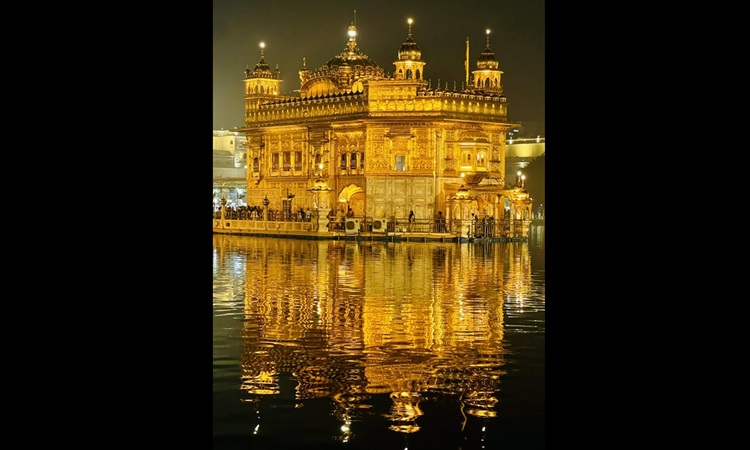
The Punjab government has officially declared three areas as Holy Cities. These include the walled city of Amritsar, Sri Anandpur Sahib, and Talwandi Sabo. The decision aims to protect religious sanctity and cultural heritage.
A notification dated December 15 confirmed the declaration. The Department of Home Affairs issued the order.
The move received formal approval from the Punjab Governor.
According to the notification, strict restrictions will apply. The curbs cover consumption, sale, and public availability of several items. Authorities will enforce the rules within clearly notified city limits.
The declaration follows earlier announcements by Chief Minister Bhagwant Mann. He had promised special status for important Sikh pilgrimage centres. The order fulfils that commitment.
What Is Banned in Punjab’s Holy Cities
The Punjab holy cities ban includes wide-ranging restrictions. Liquor sale and consumption now stand prohibited.
This applies within Amritsar’s walled city limits.
The ban also covers municipal areas of Anandpur Sahib and Talwandi Sabo. The Department of Excise has received clear instructions. It must ensure strict enforcement across all notified zones.
Additionally, meat sale and consumption face a complete ban. This rule applies to all three holy cities.
Officials said the step respects religious sentiments.
Tobacco products have also been prohibited. These include cigarettes and other intoxicants. The Health and Family Welfare Department will oversee enforcement.
The government aims to create spiritually clean public spaces. Officials believe these measures will enhance pilgrimage experiences. The restrictions align with Sikh religious traditions.
Departments Asked to Ensure Strict Implementation
The Home Affairs Department has issued clear directives. Multiple state departments must coordinate enforcement efforts. The Local Government Department will play a key role. Deputy Commissioners of Amritsar, Rupnagar, and Bathinda have been tasked. They must monitor compliance on the ground. Regular inspections and reporting mechanisms are expected.
Officials may take action against violators. Penalties will follow existing legal provisions. The government has not announced exemptions yet.
However, sources say enforcement will focus on notified zones only. Areas outside municipal limits remain unaffected.
Authorities have urged traders to cooperate.
CM Bhagwant Mann’s Announcement and Assembly Resolution
Chief Minister Bhagwant Mann announced the decision earlier. He made the statement after a special Assembly session. The session marked Guru Tegh Bahadur’s 350th martyrdom anniversary.
The Punjab Assembly passed the resolution unanimously. It declared Anandpur Sahib and Talwandi Sabo as holy cities.
The Galiara area near the Golden Temple was also included.
Mann also announced heritage development plans. Anandpur Sahib will receive special cultural focus. The goal is to boost religious tourism responsibly.
The notification now gives legal backing to the resolution. It transforms political intent into enforceable policy.
The government sees this as a long-term cultural step.
Public Reaction and Broader Significance
The announcement has drawn mixed reactions. Religious groups welcomed the move. They said it preserves Sikh values and traditions.
However, some traders raised livelihood concerns. Meat and liquor businesses operate in affected areas. Officials said stakeholder discussions will continue.
Experts say the decision reflects identity-based governance. Similar restrictions exist in other holy cities across India.
The policy may influence future urban planning decisions.
For now, authorities remain focused on smooth implementation. Clear signage and awareness drives are expected.
The Punjab holy cities ban marks a significant policy shift.