
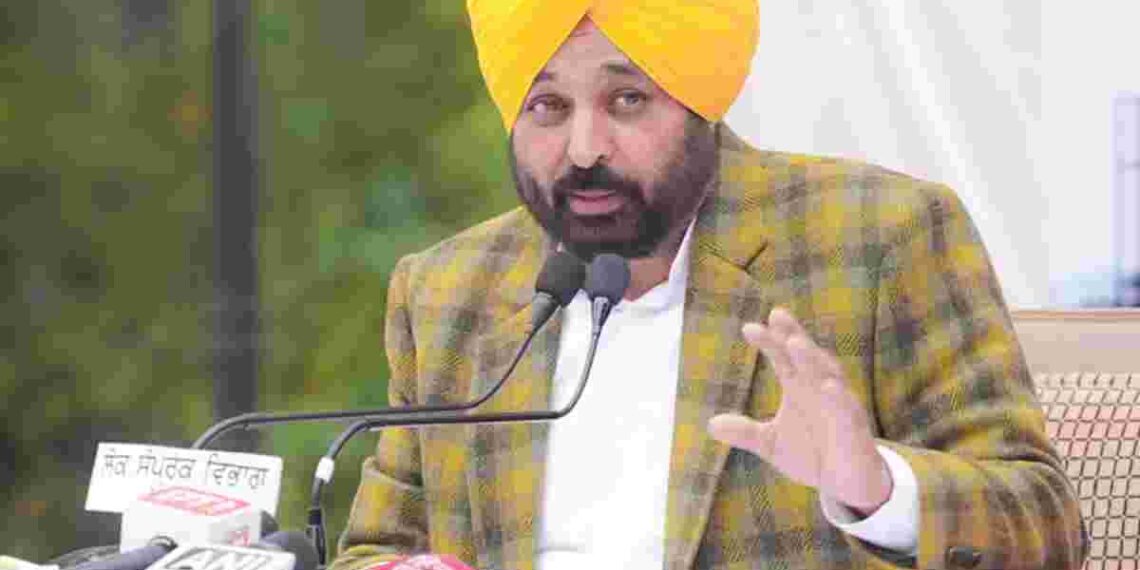
Punjab Cabinet Approves Historic Labour Law Reform to Boost Small Businesses
In a landmark move set to transform the ease of doing business in Punjab, the state cabinet under Chief Minister Bhagwant Singh Mann has approved a sweeping amendment to the Punjab Shops and Commercial Establishments Act, 1958. The reform aims to exempt nearly 95% of small businesses—those employing up to 20 workers—from cumbersome regulatory compliance, while ensuring protection of workers’ rights.
Major Relief for Lakhs of Small Businesses
The decision, announced on June 4 at the Chief Minister’s official residence in Chandigarh, is expected to provide regulatory relief to lakhs of shopkeepers and entrepreneurs. According to a spokesperson from the Chief Minister’s Office, the amendment eliminates several outdated provisions for micro enterprises and introduces progressive reforms aimed at promoting employment, economic activity, and a business-friendly environment.
Key Highlights of the Reform:
- Exemption for Businesses with ≤20 Workers:
All establishments employing up to 20 workers will be exempted from most provisions of the Act. However, these businesses must submit relevant operational information to the Labour Department within six months from enactment or business commencement. - Quick and Easy Registration:
Establishments with 20 or more employees will benefit from deemed approval for registration within 24 hours, greatly reducing bureaucratic delays. Those with fewer employees are no longer obligated to register. - Overtime and Work Hours Revised:
The quarterly permissible overtime limit has been increased from 50 to 144 hours, and the daily spread-over of work has been extended from 10 to 12 hours, including breaks. Workers will be paid double wages for overtime beyond 9 hours a day or 48 hours a week. - Rationalized Penalties:
Minimum and maximum fines under Sections 21 and 26 have been revised from ₹25–₹100 to ₹1,000–₹30,000, making them more realistic and aligned with current business environments. - Decriminalization and Compounding of Offences:
A new Section 26A allows compounding of offences, thus eliminating the need for court appearances and minimizing harassment. Businesses will receive a three-month grace period between first and second offences to ensure compliance. - Labour Rights Safeguarded:
Despite the deregulation for small businesses, all protections guaranteed by existing labour laws will remain intact, ensuring worker safety and fair treatment.
CM Bhagwant Mann: “A Balanced and Business-Friendly Reform”
Chief Minister Bhagwant Mann described the plan as a historic step towards simplifying the regulatory environment while safeguarding labour rights. “This is a balanced reform that reduces red tape, protects workers, and promotes entrepreneurship. Punjab’s economy thrives on MSMEs, and this reform empowers them to focus on growth rather than paperwork,” Mann said.
He emphasized that the policy change reflects the state government’s commitment to economic empowerment, job creation, and business-friendly governance.
Broader Impact and National Context
This reform aligns with India’s larger push for ‘Ease of Doing Business’ across states. Punjab, by exempting a large chunk of its micro-enterprises from excessive compliance, sets a precedent that could inspire similar policy shifts across the country.
Experts suggest that the labour reform will encourage formalization of the economy while promoting employment by reducing regulatory friction for small enterprises.