
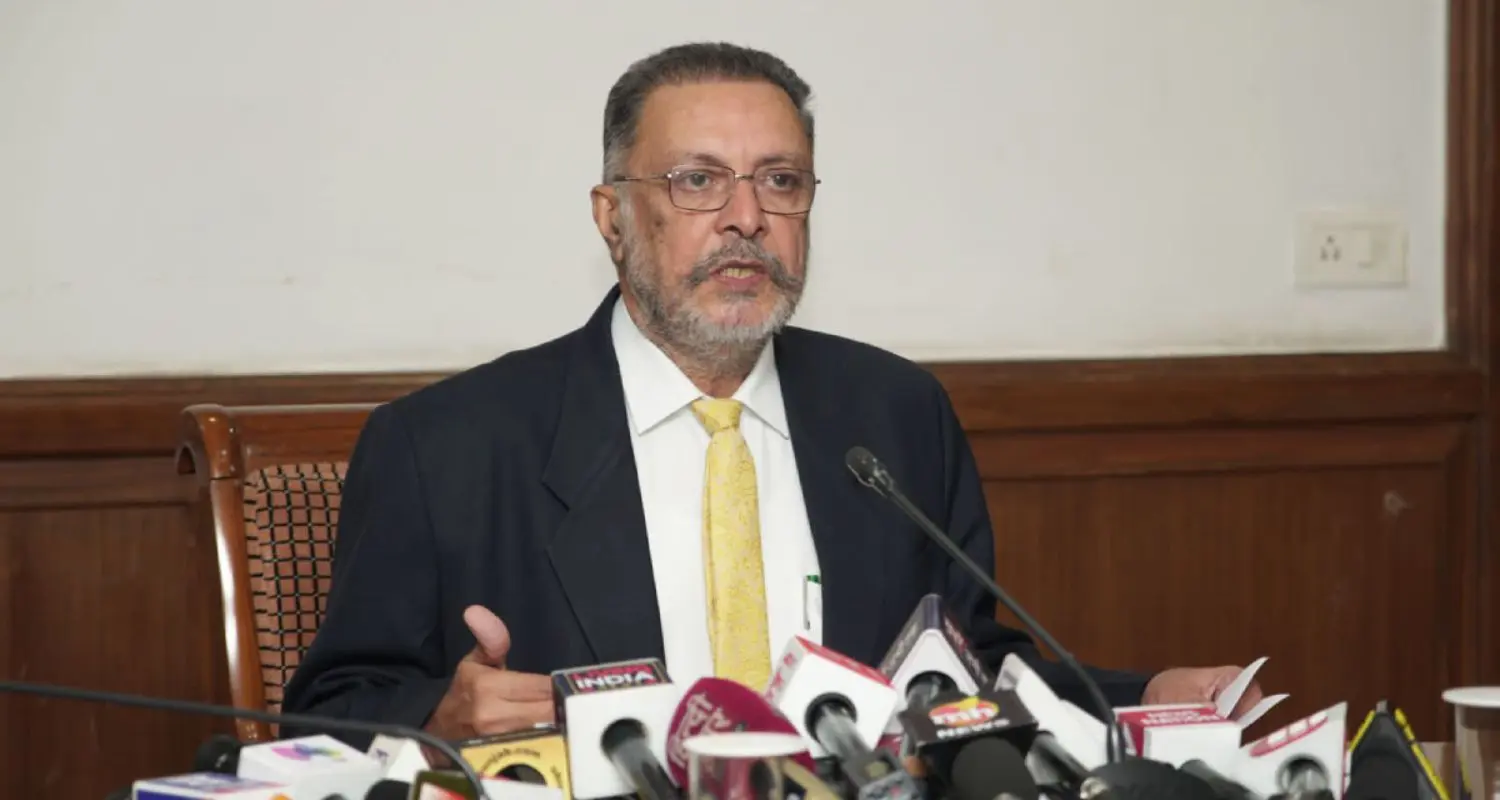
Chandigarh: The Chief Minister Health Scheme Punjab has set a new benchmark in public healthcare, achieving the highest number of registrations for any scheme in the state. Cabinet Minister Dr. Balbir Singh recently shared the latest figures highlighting the scheme’s unprecedented success.
According to Dr. Singh, a total of 30,51,325 people have registered under the Chief Minister Health Scheme Punjab, making it the most extensive public health initiative in the state’s history. The scheme has already facilitated medical treatment worth ₹267 crore, significantly easing the financial burden on patients.
Payments Cleared and Pending Dues to Be Settled Under Chief Minister Health Scheme Punjab
Furthermore, the government has cleared payments for 71,000 claims, totaling ₹60 crore. Dr. Singh assured that pending dues of all hospitals participating in the scheme will be fully settled by 15th April, ensuring smooth operations and uninterrupted healthcare services.
ਪੂਰੇ ਦੇਸ਼ ਵਿੱਚ ਕਿਸੇ ਸਕੀਮ ਲਈ ਹੋਈ ਸਭ ਤੋਂ ਵੱਧ ਰਜਿਸਟ੍ਰੇਸ਼ਨ !!
ਕੈਬਿਨੇਟ ਮੰਤਰੀ ਡਾ. ਬਲਬੀਰ ਸਿੰਘ ਨੇ ਮੁੱਖ ਮੰਤਰੀ ਸਿਹਤ ਯੋਜਨਾ ਦੇ ਅੰਕੜੇ ਕੀਤੇ ਸਾਂਝੇ
👉 ਹੁਣ ਤੱਕ ਹੋਈਆਂ 30,51,325 ਰਜਿਸਟ੍ਰੇਸ਼ਨਾਂ
👉 ₹267 ਕਰੋੜ ਦਾ ਹੋ ਚੁੱਕਾ ਹੀ ਇਲਾਜ
👉 71 ਹਜ਼ਾਰ ਕਲੇਮਾਂ ਲਈ ਕੀਤੀ ਜਾ ਚੁੱਕੀ ਹੈ 60 ਕਰੋੜ ਦੀ ਅਦਾਇਗੀ
👉 15… pic.twitter.com/6wZIDlvfFf— AAP Punjab (@AAPPunjab) March 27, 2026
The Chief Minister Health Scheme Punjab aims to provide affordable and timely medical treatment to every citizen, particularly targeting those who cannot afford private healthcare. This initiative demonstrates the state government’s commitment to public welfare and its focus on improving the overall healthcare infrastructure in Punjab.
Also read : Chief Minister Health Scheme Punjab Benefits Over 1.77 Lakh People Across the State : Dr. Balbir Singh
Experts note that the Chief Minister Health Scheme Punjab stands out not only for its scale but also for the efficiency in handling claims and reimbursements, setting a benchmark for other states in India.
With over 30 lakh registrations, this scheme has become a model for large-scale health coverage, ensuring that no patient is left without critical medical care.