
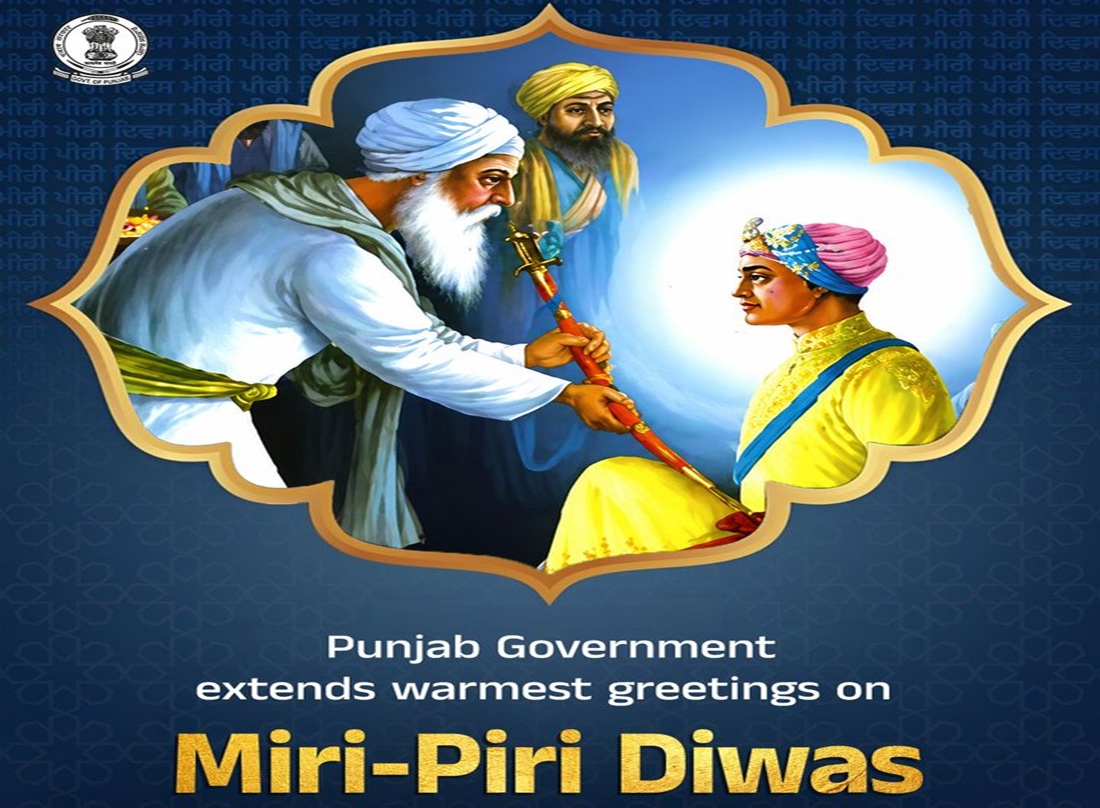
CHANDIGARH — Chief Minister Bhagwant Mann extended warm greetings to the global Sikh community on the sacred occasion of Miri Piri Diwas. The annual occasion honors the legacy of the sixth Sikh Master, Sri Guru Hargobind Sahib Ji.
Miri Piri Diwas Significance & Principles
├──► Miri Sword : Represents temporal authority, governance, & justice
├──► Piri Sword : Represents spiritual wisdom, faith, & moral purity
├──► Historical Origin: Introduced by Sri Guru Hargobind Sahib Ji in 1606
└──► Modern Event : Akal Takht launches Miri Piri Khalsa Vaheer March
In his official message, Chief Minister Mann urged citizens to follow the timeless teachings of the sixth Guru. Specifically, he highlighted how the integration of spiritual devotion and temporal strength continues to guide human rights and social justice.
Furthermore, state government representatives emphasized that Punjab’s governance model draws direct inspiration from these principles. Therefore, official Bhagwant Mann Miri Piri Diwas greetings reflect deep reverence for the state’s rich spiritual heritage.
Also Read : Bhagwant Mann Govt’s Mawan Dheeyan Satkar Yojana Empowers Women Even Beyond 100 Years of Age
The Historical Origin and Deep Spiritual Meaning of Miri Piri
Miri Piri Diwas commemorates the historic day when Sri Guru Hargobind Sahib Ji donned two iconic swords. The sword of Miri symbolizes temporal power and physical defense against oppression. Meanwhile, the sword of Piri signifies spiritual wisdom, moral purity, and divine truth.
Core Principles of Miri Piri Doctrine
- Spiritual Grounding : Piri ensures governance remains compassionate
- Temporal Action : Miri empowers active defense against injustice
- Unified Ideology : Rejects passivity while maintaining moral integrity
- Institutional Base : Led to the foundation of Sri Akal Takht Sahib
This monumental shift established the concept of the Sant-Sipahi (Saint-Soldier) within Sikh philosophy. Rather than remaining passive in the face of tyranny, the Guru taught devotees to protect the defenseless.
Additionally, Sri Guru Hargobind Sahib Ji established Sri Akal Takht Sahib opposite Harmandir Sahib in Amritsar. Consequently, this supreme seat of temporal authority ensured that worldly governance always remains anchored in ethical spiritual values.
Akal Takht Launches Miri Piri Khalsa Vaheer March Across Punjab
Marking this historic occasion today, religious institutions across the state organized large-scale devotional events. Most notably, the Akal Takht launched the Miri Piri Khalsa Vaheer march from Amritsar.
Khalsa Vaheer March Logistics
├──► Starting Point : Sri Akal Takht Sahib, Amritsar
├──► Ending Point : Takht Sri Damdama Sahib, Talwandi Sabo
├──► Organizer : Akal Takht in coordination with SGPC
└──► Core Objective : Connect youth with Sikh values & tradition
Shiromani Gurdwara Parbandhak Committee (SGPC) President Harjinder Singh Dhami reviewed all march arrangements. The religious procession passes through numerous rural centers before concluding at Takht Sri Damdama Sahib.
Moreover, political and social leaders across party lines expressed active support for the outreach campaign. The march aims to educate young generations about Sikh history and community service.
State Celebrations Highlight Unity and Community Service
Gurdwaras across Punjab, Haryana, and Delhi arranged special religious congregations, Kirtan Darbars, and Gurbani recitations today. Volunteers organized community kitchens (Langar) to feed thousands of visiting devotees.
Statewide Devotional Activities
- Religious Gatherings : Special Kirtan Darbars across all major historic shrines
- Community Feeds : Continuous open Langar service for all visitors
- Educational Camps : History lectures and youth martial arts (Gatka) displays
- Governance Focus : Reaffirmation of welfare policies for public good
Meanwhile, local administration teams ensured smooth traffic management and security around major historic shrines. Official Bhagwant Mann Miri Piri Diwas greetings reiterated the state’s commitment to preserving public harmony.
Furthermore, state ministers shared messages reminding citizens to embrace selfless service (Seva). They noted that blending moral integrity with public action remains crucial for building a prosperous society.
Preserving Eternal Sikh Values for Future Generations
Scholars emphasize that the doctrine of Miri Piri remains remarkably relevant in modern democratic governance. It provides a timeless blueprint for balancing administrative authority with human rights and moral duty.
Modern Application of Miri Piri Values
├──► Ethical Governance : Ensuring power serves public interest
├──► Social Equality : Standing up against corruption and oppression
└──► Youth Engagement : Inspiring youth through history and service
As celebrations continue nationwide, religious leaders urge youth to stay connected to their spiritual roots. Through religious marches, educational seminars, and community service, the spirit of the sixth Guru lives on vibrant display.
In conclusion, Bhagwant Mann Miri Piri Diwas greetings emphasize a shared vision of unity, strength, and justice. By honoring Sri Guru Hargobind Sahib Ji, Punjab reaffirms its commitment to truth, courage, and universal welfare.