
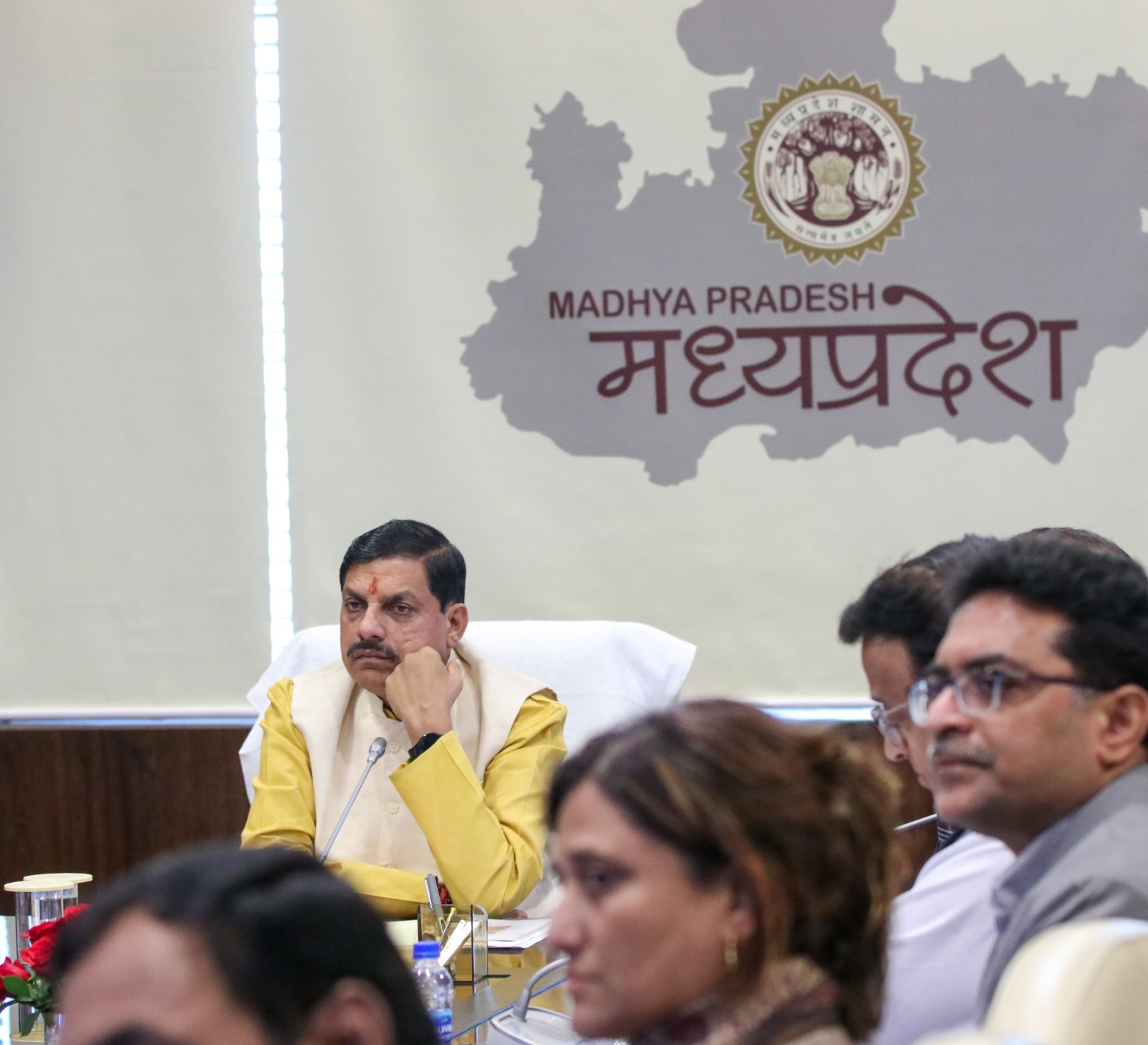
BHOPAL :The state government has officially introduced the landmark Madhya Pradesh Uniform Civil Code Bill in the legislative assembly. Chief Minister Mohan Yadav stated that the move reaffirms the constitutional vision of one nation and one constitution. Consequently, the state aims to establish a unified legal framework for all citizens regardless of their religious faith.
Additionally, the state cabinet approved the draft legislation during a special meeting held in Jagdishpur. Following executive approval, Minister Gautam Tetwal formally presented the proposed law on the assembly floor. Furthermore, Chief Minister Mohan Yadav emphasized that the new law guarantees equal rights for every resident. Therefore, this legislative step positions the state alongside other pioneering regions pursuing common civil codes.
[Madhya Pradesh Uniform Civil Code Bill – Legislative Roadmap]
│
├──► Cabinet Approval : Passed Unanimously in Jagdishpur
├──► Assembly Status : Tabled During Monsoon Session
├──► Primary Target : Equal Rights in Marriage & Property
└──► Next Legal Step : Governor & Presidential Assent
Public support played a pivotal role during the initial drafting phase across all districts. Indeed, a specialized panel gathered millions of public suggestions before finalizing the statutory recommendations. As a result, civic leaders anticipate smooth legislative proceedings during the ongoing monsoon session.
Also Read : Rani Lakshmibai Scooty Scheme Approved: Yogi Cabinet Grants Free Scooters for Meritorious Girl Graduates
Banning Polygamy and Outlawing Illegal Divorce Practices
Under the proposed Madhya Pradesh Uniform Civil Code Bill, monogamy will become the absolute statutory standard. Consequently, any individual engaging in multiple simultaneous marriages will face immediate criminal prosecution. Chief Minister Mohan Yadav clearly asserted that no citizen can maintain multiple spouses within state borders.
Furthermore, the new statutory provisions explicitly outlaw archaic practices like instant triple talaq and nikah halala. The legal framework firmly declares that all divorces must proceed exclusively through recognized family courts. Additionally, informal village councils can no longer dissolve marriages or issue arbitrary marital decrees.
Moreover, the legislation sets the legal marriage age at eighteen for women and twenty-one for men. These strict age requirements aim to protect young individuals from early forced marriages across communities. Thus, the government seeks to eliminate long-standing gender inequalities embedded in varied personal laws.
Mandatory Registration and Rules for Live-In Relationships
The Madhya Pradesh Uniform Civil Code Bill introduces comprehensive regulatory guidelines for couples residing in live-in relationships. Specifically, partners must submit an official declaration to the local registrar within one month of cohabitation. Failure to register can lead to statutory fines or potential imprisonment up to three months.
Comparison of Mandatory Live-In Compliance Rules
─────────────────────────────────────────────────
- Time Limit : Must Register Within 1 Month of Cohabitation
- Minor Safety : Parents Informed if Partner is Under 21
- Maintenance : Deserted Women Can Claim Legal Alimony
- Child Rights : Equal Inheritance Rights Guaranteed by Law
Additionally, if either partner is under twenty-one years old, authorities will notify their parents or guardians. Furthermore, local registrars must share submitted relationship records directly with nearby police stations for safety verification. However, the law provides vital financial protections for women who face desertion during such relationships.
| Legislative Provision | Mandatory Legal Standard | Penalties for Violation |
| Live-In Registration | Mandatory within 30 days of living together | Fine up to ₹10,000 or 3 months jail |
| False Declaration | Accurate personal information required | Fine up to ₹25,000 or 3 months jail |
| Polygamous Marriage | Strict monogamy mandatory for all citizens | Criminal prosecution under state law |
| Arbitrary Divorce | Must proceed through formal family courts | Declared completely illegal and void |
Equal Inheritance Rights and Protection for Children
A major highlight of the Madhya Pradesh Uniform Civil Code Bill focuses on securing equal inheritance rights. Consequently, daughters and sons will now hold identical legal claims to ancestral and self-acquired family property. Moreover, widows and widowers will receive equal statutory protections regarding their deceased spouse’s estate.
In addition, the law completely abolishes the derogatory legal term illegitimate when describing children. Every child born through marriage, adoption, surrogacy, or live-in relationships receives full legal recognition. Therefore, all children will enjoy equal inheritance rights under the proposed statutory framework.
Public Consultations and Scheduled Tribe Exemptions
To ensure comprehensive public participation, a seven-member drafting committee analyzed nearly ten lakh citizen suggestions. Retired Supreme Court Judge Justice Ranjana Prakash Desai led the panel during its detailed state consultation process. Chief Minister Mohan Yadav noted that eighty percent of participating Muslim women supported these uniform reforms.
[Public Consultation & Consultation Metrics]
│
├──► Total Suggestions : Over 9.58 Lakh Received
├──► SMS Responses : Nearly 3 Crore Submissions
├──► Public Approval : 93.54% Overall Favorability
└──► Special Exemption : Scheduled Tribes Kept Outside Scope
However, the Madhya Pradesh Uniform Civil Code Bill explicitly excludes Scheduled Tribe communities from its legal jurisdiction. This crucial exemption protects the distinct cultural traditions and customary practices of Indigenous populations across the state. Thus, the legislation balances universal civil equality with necessary constitutional protections for tribal heritage.
In conclusion, Chief Minister Mohan Yadav framed the bill as a historic leap toward social harmony. As the assembly debates the proposal, citizens across the state anticipate transformative changes in civil governance. Ultimately, this legal framework aims to deliver lasting gender justice, individual safety, and equal opportunity for all.