
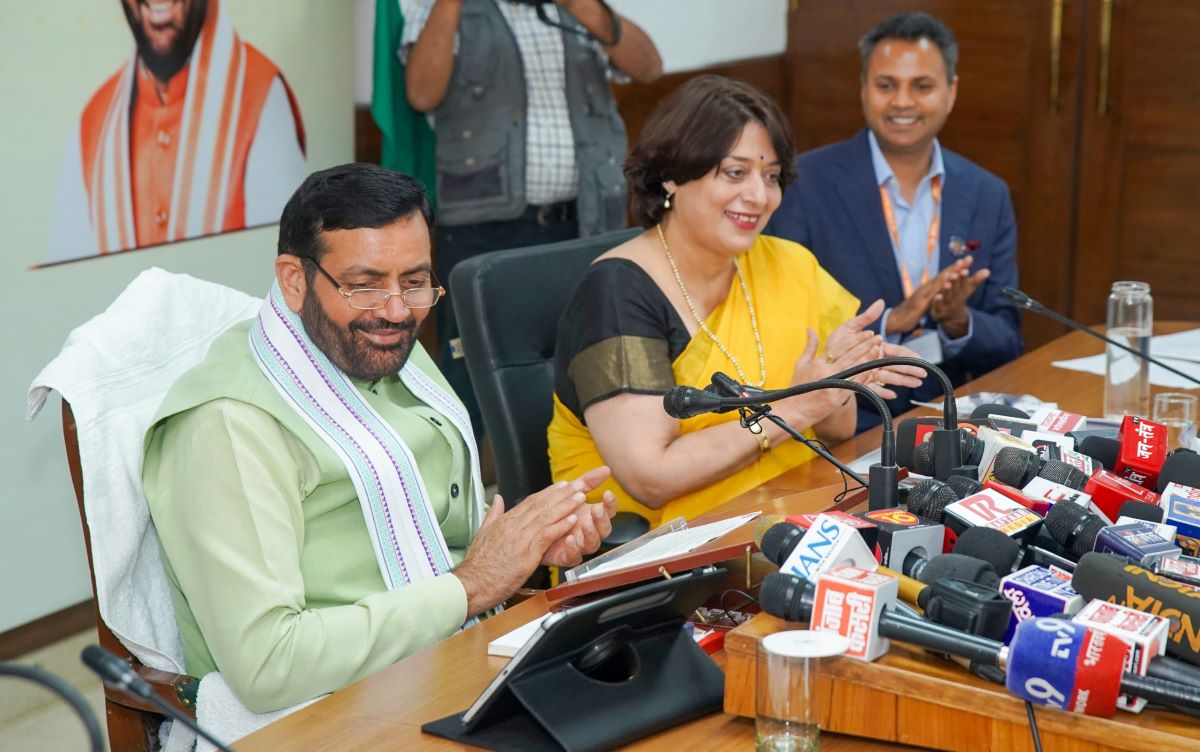
The Haryana government is set to carry out a large-scale flood mock drill in Haryana on May 14 across 13 flood-prone districts, aiming to enhance the state’s preparedness for future flood-related emergencies. The exercise will be conducted simultaneously in Gurugram, Ambala, Faridabad, Fatehabad, Kaithal, Karnal, Kurukshetra, Panchkula, Panipat, Palwal, Sirsa, Sonipat, and Yamunanagar.
The upcoming flood mock drill in Haryana is part of a comprehensive strategy to strengthen disaster management systems and improve coordination among various departments involved in emergency response. Officials stated that the drill will test real-time response mechanisms, evacuation procedures, and rescue operations in flood-affected scenarios.
Dr. Sumita Misra Highlights Importance of Flood Mock Drill in Haryana for Strengthening Disaster Preparedness Based on 2023 and 2025 Flood Lessons
According to Dr. Sumita Misra, Commissioner of the Revenue and Disaster Management Department, the flood mock drill in Haryana is a crucial step toward reinforcing the state’s disaster preparedness framework. She noted that lessons learned from the floods of 2023 and 2025 have played a key role in designing this large-scale exercise.
हरियाणा सरकार द्वारा 14 मई को बाढ़ संभावित 13 जिलों में एक साथ बड़े पैमाने पर राज्य स्तरीय बाढ़ मॉक ड्रिल आयोजित की जाएगी।
यह बाढ़ मॉक ड्रिल गुरुग्राम, अंबाला, फरीदाबाद, फतेहाबाद, कैथल, करनाल, कुरुक्षेत्र, पंचकूला, पानीपत, पलवल, सिरसा, सोनीपत और यमुनानगर जिलों में आयोजित की… pic.twitter.com/RsrQTQh7fh
— DPR Haryana (@DiprHaryana) May 13, 2026
The flood mock drill in Haryana will involve participation from district administrations, disaster response teams, police, health departments, and local authorities. The aim is to ensure seamless coordination during actual flood emergencies and minimize loss of life and property.
Also read : Haryana Government Expands Rewari Healthcare Centers to Strengthen Rural Health System
Officials further emphasized that the flood mock drill in Haryana will help identify gaps in preparedness, improve response time, and strengthen communication systems between agencies. It is expected to serve as a model exercise for future disaster management planning.
The state government believes this initiative will significantly improve Haryana’s resilience against natural disasters and ensure a more efficient and structured response in times of crisis.