
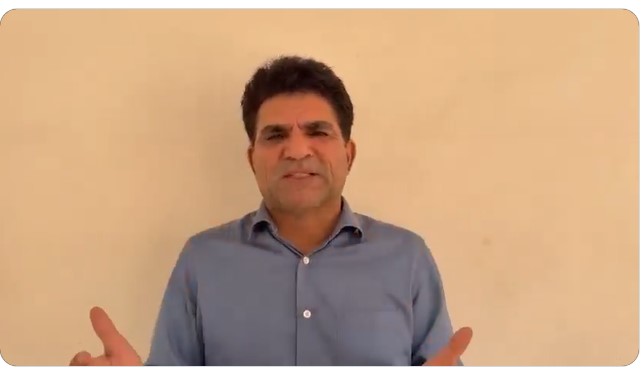
A political debate has intensified after Isudan Gadhvi made strong remarks targeting the central government over rising prices of gold and petrol, and the broader economic situation in the country.
The statement, widely circulated as Isudan Gadhvi Slams PM Modi, reflects sharp criticism of alleged economic pressure on citizens and government spending priorities. Gadhvi questioned why appeals are being made to the public to adopt financial restraint without first reducing government expenditure.
➡️ સોના અને પેટ્રોલના ખર્ચ મુદ્દે પ્રધાનમંત્રી મોદીએ દેશના નાગરિકોને અપીલ કરી હતી.
➡️ જો દેશ પર આર્થિક સંકટ છે તો પહેલા સરકારી ખર્ચે થતા કાર્યક્રમો, રેલીઓ, વિમાનના ખર્ચાઓ પર કાપ મૂકવામાં આવે, અધિકારીઓના ખર્ચ પર કાપ મૂકવામાં આવે, ઉદ્યોગપતિઓ પાસે કાપ મુકાવવામાં આવે અને ત્યાર પછી… pic.twitter.com/Wrj9T5aI7j
— AAP Gujarat (@AAPGujarat) May 12, 2026
In his comments linked to Isudan Gadhvi Slams PM Modi, the leader argued that if the country is truly facing an economic crisis, then cuts should begin with official expenses, large government programs, political rallies, and high-cost administrative operations. He said ordinary citizens should not be the first to bear the burden of economic adjustments.
Isudan Gadhvi Slams PM Modi Over Inflation Concerns, Citing Rising Fuel and Gold Prices Impacting Common Households
The Isudan Gadhvi Slams PM Modi reaction also raised concerns about inflation and the rising cost of essential commodities, including fuel and gold, which have a direct impact on middle-class and lower-income households.
Also read : Arvind Kejriwal on AAP Worker Attack in Gujarat: Condemns Violence and Calls It Attack on Democracy
Gadhvi further questioned the transparency of the government regarding the current economic condition, asking why citizens are not being clearly informed about the actual state of the economy. The Isudan Gadhvi Slams PM Modi remarks have since sparked political discussion on fiscal management and public communication.
Opposition voices supporting the Isudan Gadhvi Slams PM Modi narrative argue that accountability in government spending is essential, especially during times of economic stress, and that the burden should be shared more equitably across all sectors.
Meanwhile, there has been no official response to the statements circulating online. The issue continues to fuel debate on social media, with differing interpretations of the country’s economic direction and policy priorities.