
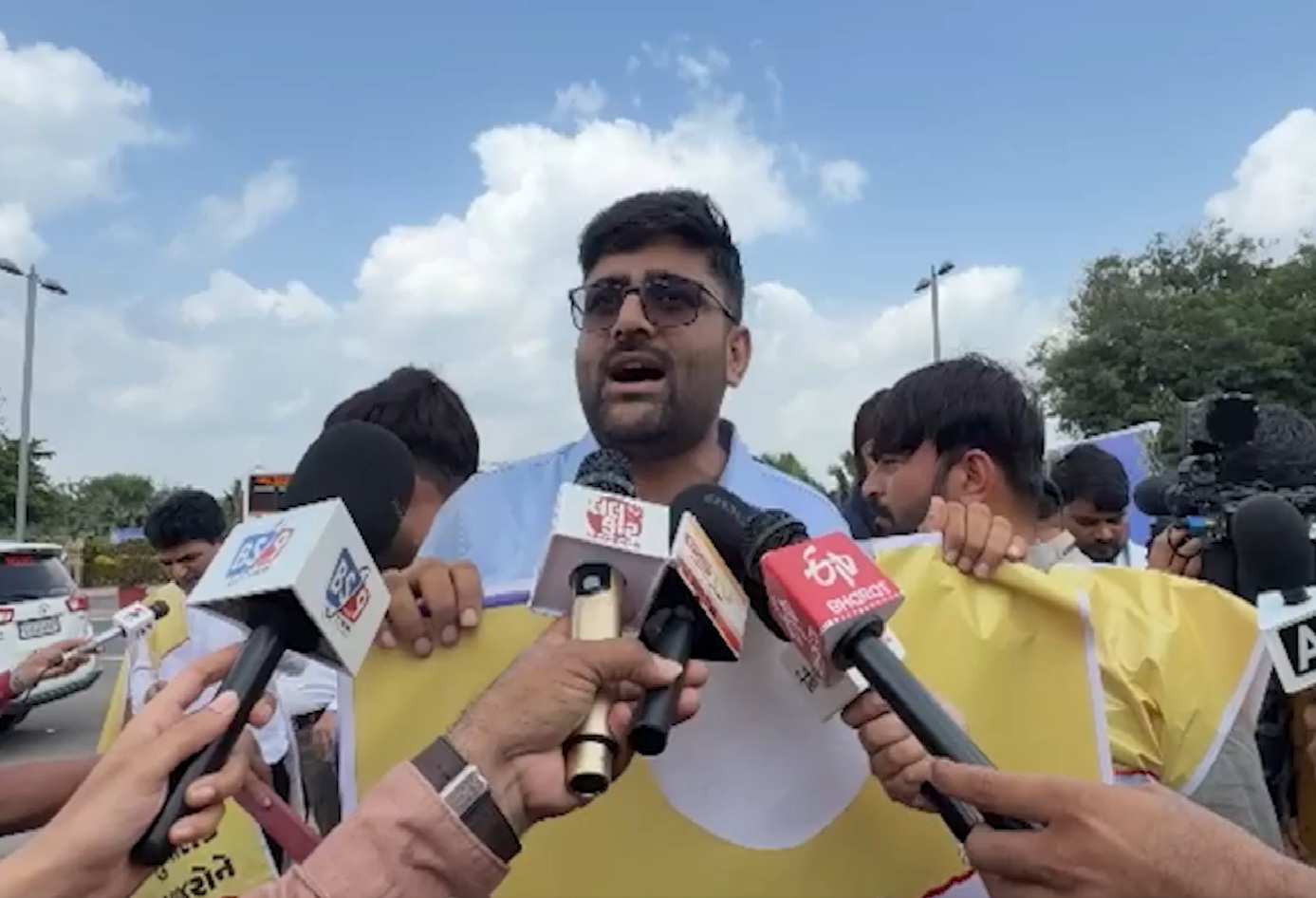
A severe dry spell across key farming belts in Gujarat has triggered widespread crop losses and intense political demonstrations. Prominent Aam Aadmi Party (AAP) leaders, including Gujarat unit president Isudan Gadhvi and MLA Gopal Italia, have openly taken to public forums and the Legislative Assembly gates to highlight the plight of rural cultivators. Groundnut and cotton fields across Saurashtra and North Gujarat are dried up after four consecutive weeks without adequate rainfall. Farmers who spent heavily on high-grade seeds, fertilizers, medicines, and field equipment report near-total losses as crops wither away.
According to field assessments, major agricultural zones like Devbhumi Dwarka, Jamnagar, Porbandar, and parts of Kutch are suffering from severe soil moisture deficits. Leaders Gadhvi and Italia noted that only a fraction of planted crops managed to germinate, leaving farmers without viable harvests or irrigation options.
| District / Zone | Primary Crops Affected | Rain Deficit Status | Key Demand Raised by AAP Leaders |
| Devbhumi Dwarka | Groundnut, Cotton, Sesame | Severe (No rain for 4+ weeks) | Official Drought Status & Water Releases |
| Jamnagar | Cotton, Groundnut | High Deficit | Power Bill Waiver & Fodder Supplies |
| Kutch Region | Castor, Pulses, Groundnut | Severe Dry Spell | SAUNI Scheme Pipeline Supply |
| North Gujarat | Pulses, Oilseeds | Moderate to High Deficit | Immediate Financial Compensation Package |
Opposition Figures Stage Assembly Demonstration as Political Tension Mounts
The growing agrarian crisis erupted into open political conflict during the Gujarat Legislative Assembly session in Gandhinagar. Leading the demonstration, Isudan Gadhvi, Gopal Italia, and fellow opposition lawmakers staged a protest at the assembly entrance carrying dried peanut crops and bundles of green fodder. They used these visual symbols to highlight the acute feed shortages threatening livestock across drought-hit talukas.
In public statements shared during the demonstration, Italia and Gadhvi highlighted that a five-day Dushkal Ghoshna Satyagraha (Drought Declaration Protest) previously held in Khambhalia failed to stir state authorities into action. They explicitly stated that despite complete crop destruction across hundreds of villages, the ruling government has refused to issue a formal drought declaration or release emergency financial aid.
Grassroots Campaign Expanded to 108 Rain-Deficient Talukas
To force an official government response, AAP leadership initiated a decentralized outreach campaign across 108 badly affected talukas. Under the guidance of local party figures, volunteer teams visit villages where rainfall registered under 10 inches or where continuous dry spells lasted over 28 days.
These teams collect signed drought-relief applications directly from affected farmers, tenant cultivators, and cattle rearers. Party representatives plan to compile these claims and march directly to Gandhinagar to present the ground-level data to the Chief Minister’s office.
Also Read : AAP Gujarat Booth Campaign 2027: Party Launches Mass Ground Network in Ahmedabad
Key Demands Formulated by Opposition Representatives
- Formal Drought Classification: Officially declare all rain-deficient talukas in Saurashtra, Kutch, and North Gujarat as drought zones to unlock central emergency funds.
- Direct Financial Compensation: Provide monetary assistance to farmers, tenant workers, and agricultural laborers to cover lost input investments.
- Emergency Water Releases: Open canal gates and route emergency water supplies through the SAUNI pipeline network directly into drying agricultural fields.
- Power & Loan Waivers: Waive electricity charges for farm connections and postpone seasonal crop loan repayments.
- Livestock Support Infrastructure: Set up subsidized fodder depots and distribute grants to cattle rearers to prevent animal deaths from starvation.
Government Action Initiated Amid Public Backlash
Following the high-profile assembly protests led by opposition figures, state executive authorities called emergency meetings to review regional water and fodder reserves. To address field shortages, the administration authorized drawing 600 cusecs of water from the Machhu-2 reservoir through the SAUNI Link-1 pipeline network.
While drinking water remains the state’s official priority, municipal administrators confirmed that available surplus volumes will flow into regional farm canals. District collectors also gained delegated authority to establish local fodder reserves. However, opposition spokespersons maintain that minor pipeline diversions cannot replace comprehensive drought compensation packages.