
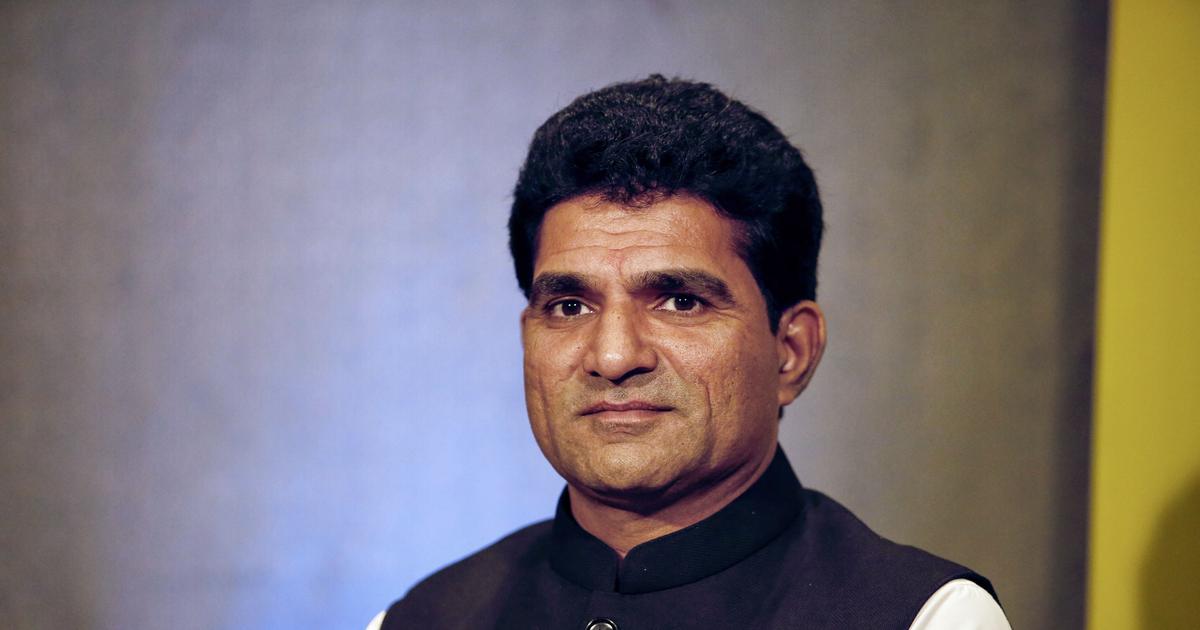
The AAP Farmers Hunger Strike in Gujarat drew significant attention on Sunday as senior Aam Aadmi Party leaders gathered at Gandhinagar’s protest site to observe a collective fast in support of farmers and agricultural workers. The event was attended by Gujarat AAP President Isudan Gadhvi, MLA Gopal Italia, State Organization General Secretary Manoj Sorathiya, Farmer Cell President Pravin Ram, and several party workers.
The AAP Farmers Hunger Strike in Gujarat was organized to highlight issues such as land acquisition, compensation disputes, electricity tower installations, irrigation challenges, and the need for stronger protections for farmers’ rights.
AAP Leaders Criticize Government Policies
During the AAP Farmers Hunger Strike in Gujarat, party leaders alleged that farmers across the state are facing growing difficulties due to inadequate compensation policies, rising agricultural costs, and infrastructure projects affecting farmland.
Manoj Sorathiya stated that people in Gujarat are increasingly concerned about issues including agriculture, smart meters, road conditions, education, and alleged corruption in public offices. He claimed that village institutions and local governance bodies have lost much of their decision-making authority, leaving rural communities frustrated.
According to party leaders, the AAP Farmers Hunger Strike in Gujarat aims to bring attention to these concerns and encourage policy changes that benefit farmers and villages.
Compensation and Land Acquisition Remain Key Issues
A major focus of the AAP Farmers Hunger Strike in Gujarat was the issue of compensation for land affected by power transmission projects and other infrastructure developments.
પંજાબમાં આમ આદમી પાર્ટીની સરકારને માત્ર 4 વર્ષ થયા છે. પંજાબની સરકારમાં ખેડૂતોના વીજબિલ રૂ. 000 મળે છે. પંજાબના ખેડૂતો ઉપર કોઈ દેવું નથી.
આગામી સમયમાં ગુજરાતમાં પણ જનતાનું શાસન આવશે. 💯 💯@isudan_gadhvi#ખેડૂતોને_ન્યાય_આપો pic.twitter.com/IAsrBerHBM
— AAP Gujarat (@AAPGujarat) July 5, 2026
Farmer Cell President Pravin Ram argued that compensation is often determined using registered property values rather than actual market prices. He claimed that this system may result in farmers receiving less compensation than the true value of their land.
Leaders participating in the AAP Farmers Hunger Strike in Gujarat called for compensation mechanisms that better reflect market rates and provide greater financial protection to affected farmers.
Party Reaffirms Support for Farmers
AAP leaders used the occasion to reaffirm their commitment to farmer welfare and rural development. They highlighted the party’s involvement in various farmer-related movements and protests across Gujarat over the years.
Youth Wing President Brijraj Solanki said the party stands with farmers because it understands their challenges and believes their concerns deserve attention. He noted that AAP workers have supported farmers during several local disputes and movements in different regions of the state.
Also read : AAP Gujarat 2027 Election Preparations Begin as Gopal Rai Holds Key Review Meeting in Valsad
Future Campaigns Planned After AAP Farmers Hunger Strike in Gujarat
The AAP Farmers Hunger Strike in Gujarat also served as a platform for announcing future campaigns related to agriculture and rural development. Party leaders discussed demands such as farm loan relief, improved irrigation facilities, long-term agricultural policies, enhanced compensation for affected farmers, and uninterrupted electricity supply for agricultural use.
AAP leaders indicated that they would continue engaging with farmers across Gujarat and may organize larger protests in the future if their demands remain unaddressed.
With agricultural issues continuing to play an important role in state politics, the AAP Farmers Hunger Strike in Gujarat has added fresh momentum to discussions surrounding land rights, compensation policies, and the future of farming communities in Gujarat.