
High Court Rejects Bail Pleas of Ten Accused
New Delhi, September 2: The Delhi High Court on Tuesday rejected bail pleas filed by Umar Khalid, Sharjeel Imam, and eight others in connection with the alleged larger conspiracy behind the 2020 Delhi riots.
A division bench of Justice Naveen Chawla and Justice Shalinder Kaur had reserved the verdict earlier. The decision upholds a trial court’s order that had previously denied bail to the accused.
Those whose petitions were dismissed include Athar Khan, Khalid Saifi, Mohd Saleem Khan, Shifa-ur-Rehman, Meeran Haider, Gulfisha Fatima, Shadab Ahmed, and Tasleem Ahmed.
Defence Arguments and Counterpoints
During the hearings, Umar Khalid maintained that simply being part of WhatsApp groups without sending messages cannot be considered a crime. He also stressed that no money, weapons, or incriminating items were recovered from him.
Khalid further questioned the prosecution’s claim of a “secret meeting” on February 23–24, 2020, arguing that the meeting was not secret and lacked evidence of conspiracy.
Sharjeel Imam, through his lawyer Advocate Talib Mustafa, argued that he had no links with other accused individuals. He said the last act attributed to him was a speech delivered in Bihar on January 23, 2020, more than a month before the violence erupted.
The defence insisted that there was no direct evidence connecting the accused to the alleged conspiracy.
Prosecution’s Stand
Solicitor General Tushar Mehta, representing the Delhi Police, opposed the bail pleas. He stated that the accused had acted against the nation’s interests and should remain in custody until trial completion.
Mehta further argued that the accused aimed to damage India’s global image by orchestrating violence and arson on specific dates. Special Public Prosecutor Amit Prasad also backed the Delhi Police’s claims, emphasizing the seriousness of the charges.
The case has been filed under several provisions of the Indian Penal Code (IPC) and the Unlawful Activities (Prevention) Act (UAPA), which makes securing bail extremely difficult.
Background: What Happened in 2020
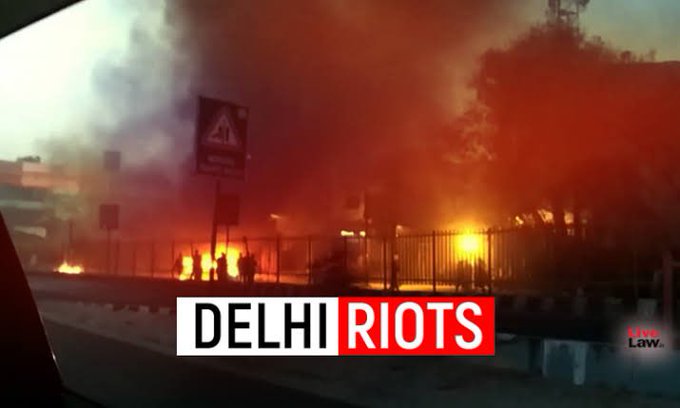
The 2020 Northeast Delhi riots marked one of the worst outbreaks of communal violence in the capital in decades. The clashes erupted in late February 2020 during protests against the Citizenship Amendment Act (CAA).
The violence spiraled into three days of intense unrest, leaving 53 people dead and more than 700 injured. Several localities saw widespread arson, stone-pelting, and looting. Homes, shops, religious places, and vehicles were destroyed, displacing hundreds of families.
The Delhi Police later registered hundreds of FIRs. Its Special Cell invoked the stringent UAPA against several student activists, politicians, and community leaders, alleging a “larger conspiracy” behind the riots.
Continuing Debate and Criticism
While the police maintain that the accused orchestrated the violence, critics argue that the investigation unfairly targeted activists and dissenters. Several human rights groups have alleged that the probe lacked balance and overlooked other perpetrators.
For now, however, the High Court’s ruling means Umar Khalid, Sharjeel Imam, and the other accused will remain behind bars as the trial continues.