
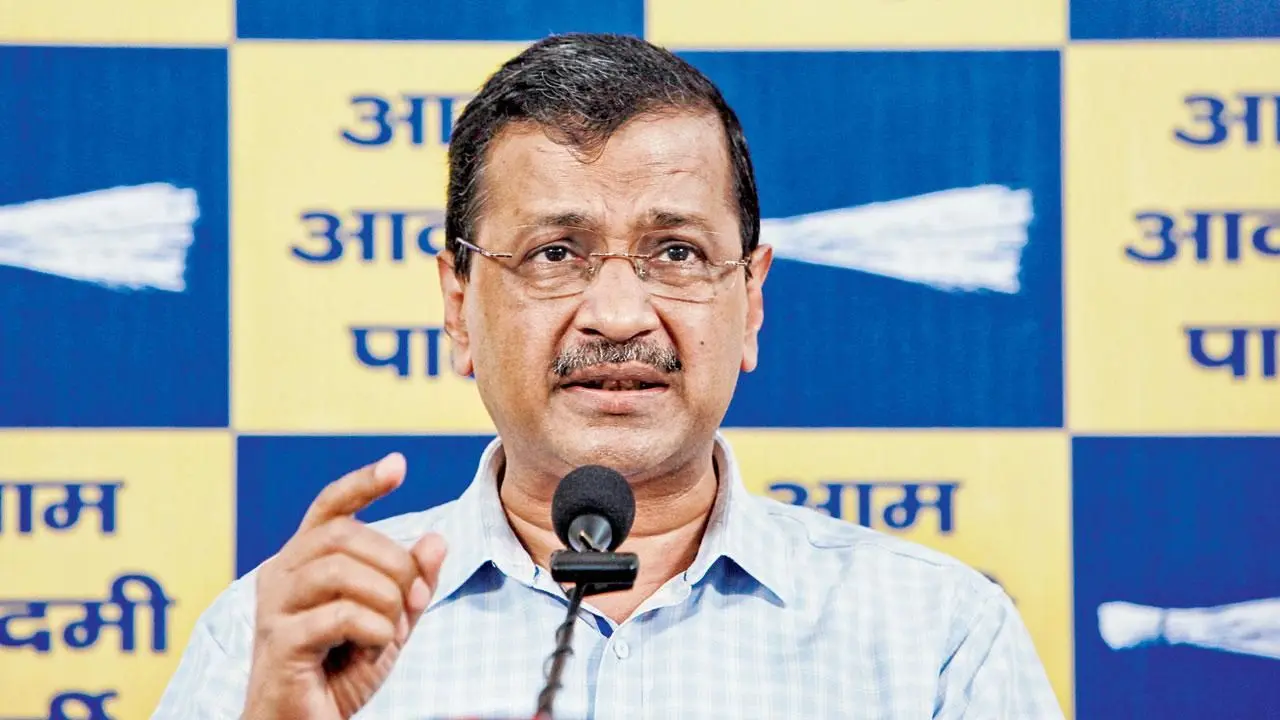
Aam Aadmi Party (AAP) national convenor Arvind Kejriwal has strongly criticised the government’s decision to impose a temporary Telegram Ban ahead of the NEET-UG 2026 re-examination. He said the move does not address the root cause of examination paper leaks and reflects a lack of political will to take stronger action against the real culprits.
The Telegram Ban was implemented as part of precautionary measures announced by the National Testing Agency (NTA) to ensure fair conduct of the NEET-UG 2026 re-test scheduled for June 21.
Telegram Ban Draws Political Criticism
Reacting on social media platform X, Kejriwal questioned the effectiveness of the Telegram Ban, arguing that blocking a messaging platform cannot stop organized paper leak networks.
He said that despite strict measures like app restrictions and enhanced security arrangements, the Telegram Ban will not solve the systemic issues behind repeated examination irregularities.
मोदी सरकार की पेपर लीक रोकने की नीयत ही नहीं है। इसलिए इस तरह के बेतुके कदम उठाये जा रहे हैं। सेना के जहाज़ों से पेपर ट्रांसपोर्ट करना, टेलीग्राम बंद करना। क्या इन कदमों से पेपर लीक बंद होंगे? बिल्कुल नहीं।
पेपर लीक का धंधा अरबों का धंधा है। पैसा टॉप तक जाता है। पेपर लीक बंद कर… https://t.co/skWpWOBocY
— Arvind Kejriwal (@ArvindKejriwal) June 17, 2026
NTA Defends Telegram Ban
The National Testing Agency has stated that the Ban will remain in place until June 22. According to officials, the decision aims to prevent cheating and the spread of misinformation during the NEET-UG 2026 re-examination.
Also read : Arvind Kejriwal on ED Raids Says Party Workers Being Targeted in Nationwide Enforcement Action
Authorities also clarified that the Ban is part of a broader strategy that includes strict monitoring and digital restrictions to ensure exam integrity.
Government Tightens Exam Security Measures
As part of the security plan, the government has also directed app stores like Google and Apple to temporarily remove Telegram. The Telegram Ban has been introduced alongside other precautionary steps to maintain fairness in the examination process.
The debate over the Telegram Ban continues to grow as political leaders question its effectiveness. While authorities maintain it is necessary for exam security, critics argue that the Telegram Ban fails to address deeper issues of paper leak networks and systemic malpractice.