
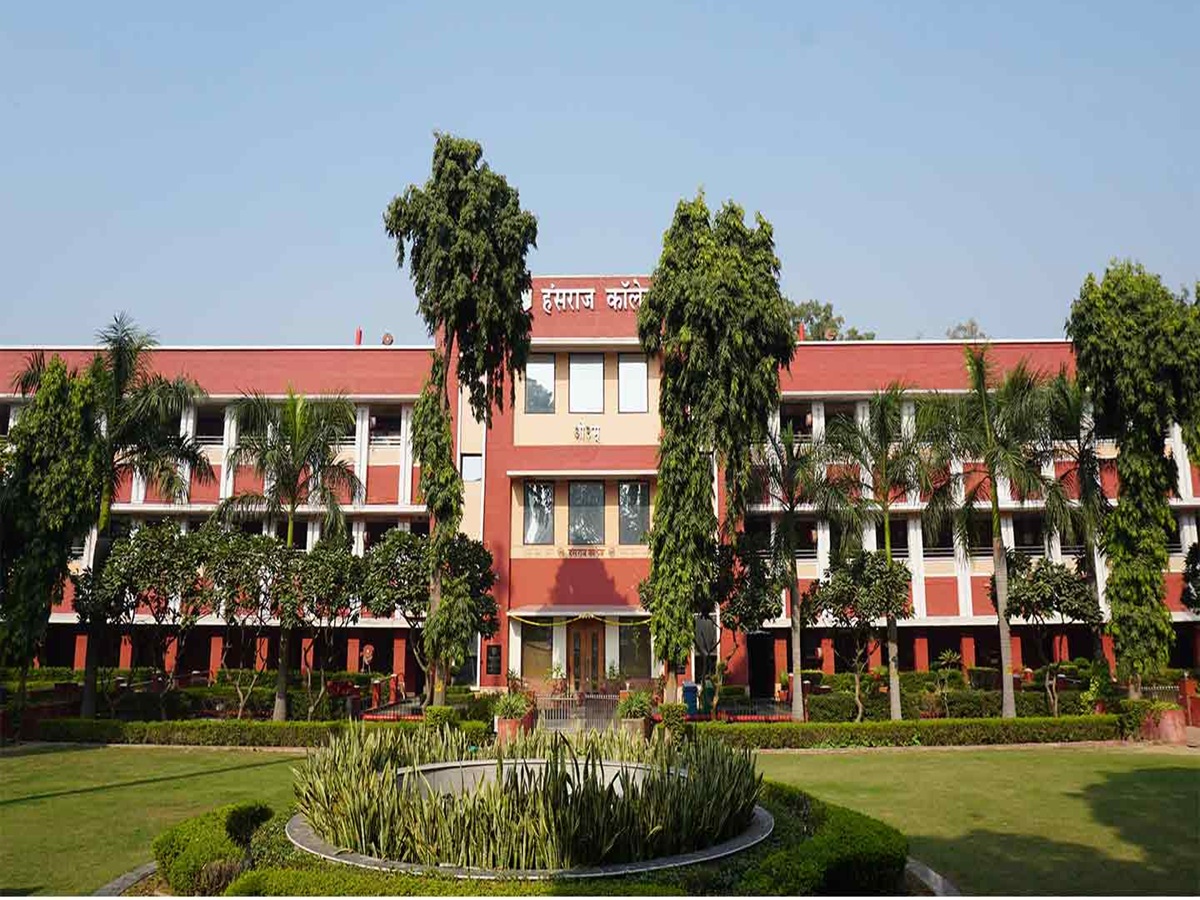
NEW DELHI — Tensions have flared at Delhi University as Hansraj College suspends 30 students, including the top four office-bearers of its Students’ Union. The administration issued a flurry of notices between April 20 and April 25, 2026. These orders cite serious allegations of “physical violence,” “indiscipline,” and “defaming the college through social media.” This crackdown follows a chaotic annual fest, “Confluence 2026,” held on April 8 and 9. During the event, poor crowd management reportedly led to clashes and police intervention. Consequently, the college has barred the students from entering the premises. They may only enter the campus to appear for upcoming examinations.
Also Read : AAP Criticizes BJP Over Rising Crime After Karol Bagh Firing Incident in Delhi
The first individual notice targeted Parth Srivastava, a former student union president. The college accused him of using “derogatory language” against staff and spreading misinformation online. However, Srivastava has already moved the Delhi High Court. He claims the administration is retaliating against him for filing an RTI regarding campus irregularities. Specifically, he had questioned the use of college grounds for a private wedding in February. This ongoing friction between the students and the principal, Prof. (Dr.) Rama, has now reached a breaking point. The college maintains that these “interim” suspensions are necessary to restore campus order.
Violence at “Confluence 2026” and Social Media Fallout
A significant portion of the disciplinary action stems from the 2026 annual fest. According to the second notice, 14 students were identified through CCTV footage for participating in physical altercations. Additionally, seven students face suspension for a coordinated social media campaign against the college. The administration alleges these posts “adversely affected the academic environment.” Moreover, the most recent notice on April 25 suspended the entire 2025-26 Union leadership. This includes the President, Vice President, Secretary, and Joint Secretary. They are accused of failing to maintain discipline during the two-day event.
Student groups like the SFI and DUSU have labeled the move “authoritarian.” They argue that Hansraj College suspends 30 students only to silence potential candidates for the next election. “Targeting elected representatives is a direct attack on student democracy,” stated the SFI unit secretary. Furthermore, DUSU President Aryaman Sai has demanded an “immediate and unconditional revocation” of all orders. He maintains that campuses should encourage dialogue rather than “bullying” student voices. Meanwhile, the college has formed two dedicated committees to monitor student conduct via digital surveillance.
DUSU Calls for Protests as Legal Battles Loom
The Delhi University Students’ Union (DUSU) has organized a massive protest scheduled for Monday, April 27. They aim to pressure the administration into a fair inquiry. Currently, the suspended students feel “targeted” because many were high-attendance students with political aspirations. Additionally, some allege they never received formal show-cause notices before the orders were published online. Despite the outcry, Principal Rama emphasizes that academic performance must not be disturbed. “This is a prestigious college,” she noted. She urged students to use internal grievance cells instead of “defaming” the institution online.
As the situation evolves, the Hansraj College suspends 30 students story highlights the growing rift between university administrations and digital activism. The use of social media as a tool for student protest has clearly become a flashpoint. While the college vows to maintain “strict discipline,” the student body remains defiant. The upcoming Delhi High Court hearing for Parth Srivastava will likely set a precedent for how “online defamation” is judged in academic settings. For now, the Hansraj campus remains under heavy security as the “interim” orders stand.
Conclusion: A Campus at a Crossroads
Ultimately, the decision where Hansraj College suspends 30 students represents a clash of values. On one side, the administration seeks to protect the college’s reputation from viral criticism. On the other, students fight for their right to dissent and hold authorities accountable. As exams approach, the academic future of these 30 students hangs in the balance of a legal and administrative tug-of-war. The coming week will determine if Hansraj chooses the path of reconciliation or continued confrontation.