
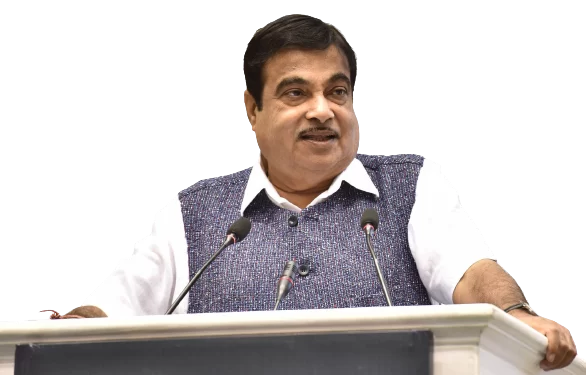
Delhi Plans to Remove Entry Fee Booths at Borders, Seeks New Revenue for MCD
In a significant push to enhance urban mobility and reduce commuter woes, Delhi Chief Minister Rekha Gupta and Lieutenant Governor V.K. Saxena have supported the removal of physical entry fee collection booths at the capital’s borders. This comes after Union Road Transport Minister Nitin Gadkari strongly advocated the move, calling the toll booths a “nuisance” and a source of “public loot.”
The trio met on Wednesday to deliberate on this critical infrastructure reform, which could alter how the Municipal Corporation of Delhi (MCD) earns a significant portion of its revenue—approximately ₹800–900 crore annually from tolls and green cess.
Gadkari Criticizes Toll Booths as Outdated and Costly
Highlighting the substantial investments made by the government in expanding and modernizing highways, Gadkari said that the continued collection of entry fees and Environment Compensation Charges (ECC) at Delhi’s borders undermines national progress.
“These fee collection points cause massive delays, traffic congestion, and harassment to daily commuters,” Gadkari reportedly told attendees, suggesting that such practices contribute to economic losses due to wasted man-hours and fuel.
The Union Minister warned that the National Highways Authority of India (NHAI) is prepared to escalate the matter to the Supreme Court, aiming to halt the collection of ECC unless a consensus is achieved.
Delhi Leadership Open to Reform, But Seeks Balanced Approach
While Gadkari’s remarks were strongly worded, both CM Gupta and LG Saxena responded positively, emphasizing the need for a pragmatic transition. Saxena suggested that the issue should be resolved without judicial intervention, proposing that “a way will be found soon.”
Sources present at the meeting said MCD officials expressed concern over the financial shortfall that could result from removing the tolls. The civic body operates with an annual budget of approximately ₹5,000 crore, and losing nearly 20% of that could be catastrophic without compensatory mechanisms.
Exploring Alternative Revenue Streams
To offset the anticipated revenue loss, the Delhi government is exploring innovative revenue models, including:
- Property development on municipal land
- Minor additional charges on vehicle registration
- Increased land-use conversion fees
- Digital advertising levies across urban infrastructure
These options align with the Centre’s broader vision to reduce physical tolling in urban areas by leveraging digital systems and diversified municipal financing.
Gadkari reportedly advised the state to consider a more technology-driven, non-intrusive toll collection system, suggesting a move towards automatic license plate recognition (ALPR) or satellite-based road usage charges in the long term.
Environmental and Legal Concerns Over ECC
The ECC or green cess, originally introduced as an anti-pollution measure by the Supreme Court, is another contentious issue. Gadkari argued that these levies have become counterproductive in their current implementation, asserting that they have turned into a source of “public loot.”
However, environmentalists warn that removing green cess without an alternative pollution-control mechanism could hinder Delhi’s fight against toxic air, especially during winter months when the air quality index (AQI) often slips into hazardous zones.
What Lies Ahead
The proposal to eliminate toll booths and reimagine civic revenue generation marks a significant shift in Delhi’s urban governance strategy. While it promises ease of travel, reduced fuel consumption, and lower carbon emissions, it also necessitates robust policy innovation to ensure that MCD’s fiscal stability is not compromised.
With all key stakeholders—including the Centre, state, and city civic body—on board for discussion, a blueprint for action is expected in the coming weeks.