
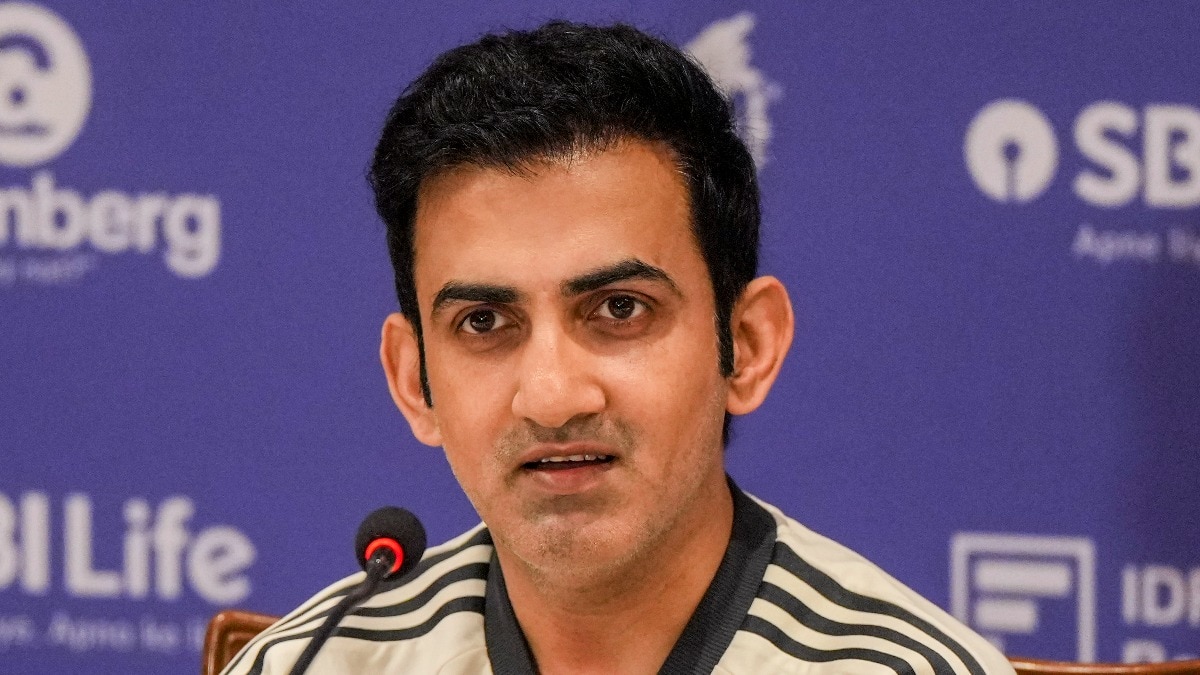
Delhi Drugs Department Opposes Gambhir’s Plea in Hoarding Case
New Delhi: The Delhi drugs control department has opposed Indian cricket head coach Gautam Gambhir’s plea to quash a 2021 case related to the alleged hoarding and distribution of Covid-19 medicines. Officials argued that a full trial was “imperative to determine the veracity of the allegations.”
The submission came during a hearing before Justice Neena Bansal Krishna of the Delhi High Court, which reserved its verdict on Gambhir’s petition. The plea not only challenges the case but also contests the summons issued by a trial court last year.
Case Linked to Fabiflu Distribution During Covid Second Wave
The controversy dates back to July 2021, when the department registered a case against Gambhir, his wife Natasha, his mother Seema, and the Gautam Gambhir Foundation. Its CEO, Aprajita Singh, was also named.
The complaint was filed under Section 18(c) and Section 27(b)(ii) of the Drugs and Cosmetics Act. These provisions prohibit stocking, sale, or distribution of medicines without a valid license. Violation is punishable with imprisonment of three to five years, along with fines.
Authorities alleged that the foundation stocked and distributed Fabiflu, an antiviral drug used for Covid-19 patients, without authorisation. The probe was ordered after the High Court directed inquiries into reports of unauthorised hoarding and distribution during the deadly second wave.
Gambhir’s Defence: Medicines Were Given Free
In his petition, Gambhir argued that the case was baseless since the medicines were distributed free of cost to those in urgent need, not sold for profit. He also alleged that his family members were named “without justification.”
The High Court had earlier stayed proceedings in September 2021. However, the stay was vacated on April 9, 2024, reviving the trial. On Monday, the court also cautioned Gambhir against name-dropping, refusing to recall its decision to lift the stay.
Department’s Stand: Plea Not Maintainable
The drugs control department contended that Gambhir’s plea was procedurally flawed. According to its counsel, the former BJP MP should have first challenged the summons before a sessions court, instead of approaching the High Court directly.
“They are challenging the summoning order, it’s a revisable one, they must have approached the sessions court. Trial has to take place to determine the veracity of the allegations,” the lawyer told the bench.
With the High Court reserving its verdict, Gambhir and his foundation now await a crucial ruling that will determine whether the case proceeds in the trial court.
Broader Context: Covid, Politics, and Accountability
The case has revived debates on political leaders’ role during the Covid-19 second wave. Many politicians and NGOs distributed scarce medicines to desperate citizens. However, questions remain about whether such actions violated drug regulations or highlighted administrative gaps.
Legal experts note that the outcome could set an important precedent on accountability in public health emergencies, particularly concerning medicine procurement and distribution by non-licensed individuals or entities.
Outlook
For now, Gambhir faces a legal battle that extends beyond cricket and politics. If the trial proceeds, the court will have to examine whether the former MP’s actions were an act of humanitarian relief or a violation of the law.
The High Court’s decision, expected soon, will shape the course of the Gautam Gambhir drugs hoarding case, keeping public and media attention firmly on the cricketer-turned-coach.