
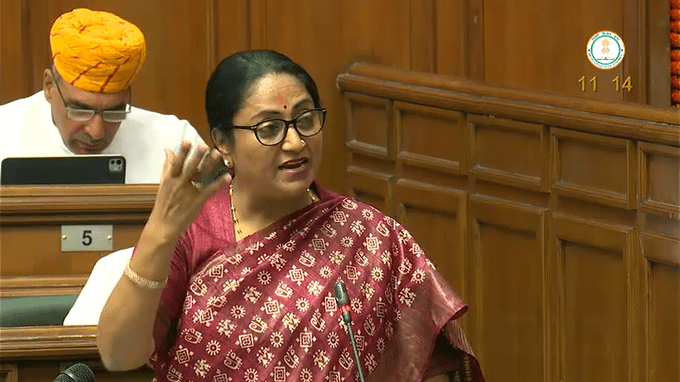
Delhi CM Rekha Gupta Unveils Comprehensive Plan to Combat Pollution and Boost EV Fleet Expansion
Delhi CM Rekha Gupta Introduces Comprehensive Plan to Tackle Pollution and Expand EV Fleet
In a bid to address Delhi’s growing air pollution crisis, Chief Minister Rekha Gupta announced a bold new plan on Wednesday to reduce pollution levels, enhance the city’s electric vehicle (EV) infrastructure, and improve public transport efficiency. The initiative comes in response to ongoing concerns about Delhi’s hazardous air quality, particularly during the winter months when pollution levels surge.
Gupta’s statement marks a significant shift from previous administrations, with the Delhi government now prioritizing tangible actions rather than relying solely on external agencies. The new plan is a multifaceted approach, focusing on fleet expansion, stricter regulations, and enhanced monitoring systems.
Expansion of Electric Bus Fleet to Combat Pollution
One of the key highlights of CM Gupta’s plan is the ambitious expansion of Delhi’s electric bus fleet. With the existing fleet of 2,400 CNG buses and 1,727 electric vehicles (EVs) set to retire by the end of this year, Gupta emphasized that the new fleet would significantly reduce air pollution. The Delhi government is targeting the introduction of 5,500 EV buses by the end of 2023, with plans to increase that number to over 11,000 by 2026.
“The previous government lacked proper monitoring and policymaking,” Gupta said. “We are committed to tackling air pollution head-on.” The government will also optimize bus routes based on congestion data to ensure that more buses serve high-traffic areas, improving overall public transport efficiency and reducing the need for private vehicles, which contribute to air pollution.
Public EV Charging Infrastructure for a Greener Future
Along with the expansion of EV buses, Delhi will see a major push toward increasing the availability of EV charging stations. The government has outlined plans to install 18,000 public EV charging points by 2026. Private sector partnerships will further increase the total number of units to an impressive 48,000. This infrastructure will play a crucial role in encouraging EV adoption among Delhi’s residents, helping to transition from fossil fuel-based transportation to cleaner, greener alternatives.
Gupta also teased the introduction of a new policy aimed at accelerating the adoption of EVs, including incentives for citizens and businesses to switch to electric vehicles. The policy is expected to include subsidies and rebates for EV buyers.
Stricter Regulations on Outstation and Older Vehicles
In a bid to cut down on pollution from old and non-compliant vehicles, Delhi’s government will implement a tracking system that will monitor vehicles entering the city. Over 5,000 cameras will be deployed across the city to track vehicles that are over 15 years old, a major source of air pollution. Those vehicles exceeding the age limit will be penalized or barred from entering Delhi, a policy aimed at reducing the number of outdated, high-emission vehicles on the roads.
Gupta further stressed the importance of holding the previous government accountable for its inaction on pollution control. “They merely instructed the MCD to take action but did not provide the necessary funds or resources to address the issue,” she said.
A Holistic Approach to Dust Pollution
Another significant aspect of CM Gupta’s plan is the focus on controlling dust pollution, a major contributor to Delhi’s air quality problems. Gupta stated that a comprehensive approach will be implemented, including road development, pothole repairs, and extensive tree planting to reduce dust levels. To ensure more effective dust management, the government will operate 1,000 water sprinkler machines across 250 wards, reducing dependence on external agencies for dust control.
The government’s dust pollution management strategy aims to significantly reduce particulate matter (PM) levels in the air, a leading cause of respiratory diseases and other health problems for Delhi’s residents.
Improved Air Quality Monitoring Systems
As part of the broader plan to tackle pollution, the Delhi government will enhance its air quality monitoring systems. Gupta announced that six new air quality monitoring stations would be installed to supplement the 40 existing systems, which have faced issues with data accuracy. The enhanced monitoring network will be overseen by Delhi’s Integrated Command and Control Centre, ensuring that the city has reliable and real-time data on air quality.
Gupta also mentioned that 80% of the funding for these initiatives will come from the central government, with a significant portion of the budget directed towards cleaning up Delhi’s landfill sites and tackling the city’s e-waste issues. A new E-Waste Eco Park will be developed to process electronic waste in an environmentally friendly and pollution-free manner.
A Promise of Real Action
CM Gupta’s statement has been met with mixed reactions, with many praising her government for taking tangible steps toward improving Delhi’s air quality. However, critics have pointed to the delays in addressing pollution in the past and questioned whether these ambitious targets can be met in the proposed timelines.
Gupta, however, remained firm in her resolve, stating, “Unlike the previous government, which only took photos at landfill sites, we will take real action and hold ourselves accountable.”
With the Delhi government now fully committed to these measures, the future of Delhi’s air quality hinges on the successful implementation of this new plan. The coming months will be crucial in determining whether these ambitious proposals can be turned into reality.